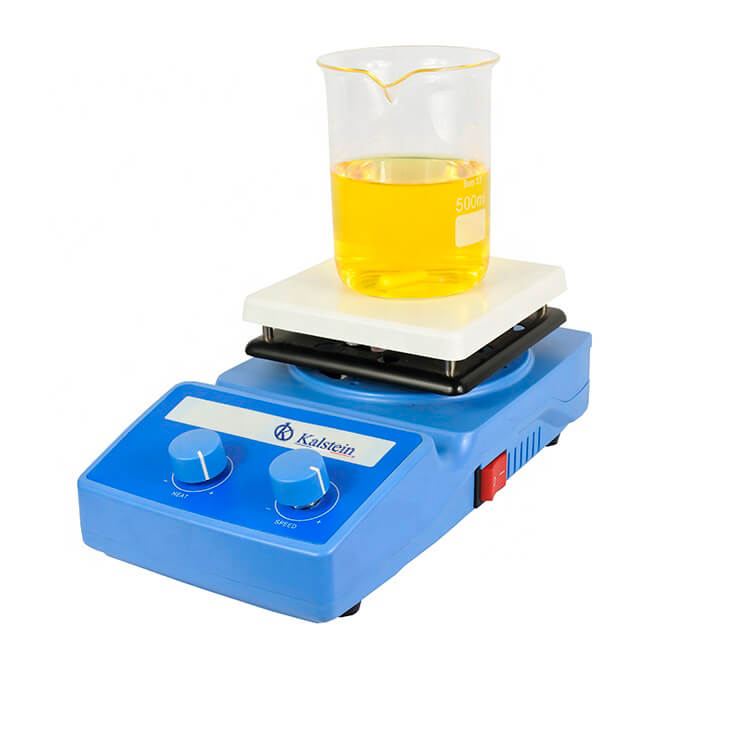
Analog Ceramic Top Hotplate Stirrer: Best Practices and Techniques for 2026
The Analog Ceramic Top Hotplate Stirrer is a versatile laboratory device that plays a crucial role in various scientific disciplines. It serves as an essential tool for heating, mixing, and stirring solutions in a controlled manner. In 2026, understanding how to effectively use this equipment is paramount for laboratory professionals seeking to enhance their workflows and improve experimental outcomes. This guide will cover the best practices, techniques, and applications of Analog Ceramic Top Hotplate Stirrers, ensuring you can maximize their potential in your laboratory settings.
What is it used for in 2026
In 2026, Analog Ceramic Top Hotplate Stirrers are utilized across various fields including chemistry, biology, and material science. These devices are particularly advantageous when precise temperature control and consistent stirring are required.
The primary applications include:
- Heating samples uniformly without the risk of overheating due to their ceramic tops.
- Mixing solutions thoroughly via magnetic stirring, which is essential for reactions requiring specific concentrations.
- Sustaining temperature over extended periods during experiments, ensuring reliable data collection.
History and evolution of the technology
The evolution of hotplate stirrers dates back to the early 20th century when simple heating plates were first introduced. Over the decades, advancements in materials and electronic controls have led to the development of more sophisticated models. Today, Analog Ceramic Top Hotplate Stirrers feature precise temperature controls, improved energy efficiency, and user-friendly interfaces, making them indispensable tools in modern laboratories.
How to use it step by step
Using an Analog Ceramic Top Hotplate Stirrer involves several straightforward steps:
- Setup: Place the hotplate stirrer on a stable, level surface away from flammable materials.
- Connect: Plug the device into a suitable power outlet.
- Prepare materials: Ensure that your container is compatible with the hotplate stirrer, typically using glass or ceramic.
- Temperature settings: Turn on the device and set the desired temperature using the PID control system.
- Stirring settings: Adjust the stirring speed to match your experimental needs.
- Monitor: Keep an eye on the temperature display and make adjustments as required.
- Complete: Once the experiment is complete, turn off the device and allow it to cool before cleaning.
Best techniques and protocols
For optimal performance of Analog Ceramic Top Hotplate Stirrers, consider the following techniques and protocols:
- Use appropriate containers to ensure efficient heat transfer.
- Regularly calibrate the temperature settings to maintain accuracy.
- Ensure that the stir bar is positioned correctly to avoid jamming.
- Limit the volume of liquids to prevent overflow during vigorous stirring.
- Follow safety protocols, including wearing appropriate PPE (personal protective equipment).
Practical applications by laboratory type
The applications of Analog Ceramic Top Hotplate Stirrers can vary based on laboratory types:
- Chemical Laboratories: For synthesizing chemical compounds and analyzing reactions.
- Biological Laboratories: For preparing biological samples and maintaining cultures at specific temperatures.
- Material Science Laboratories: For heating and mixing materials in preparation for testing their properties.
Regulations, standards and certifications
When using Analog Ceramic Top Hotplate Stirrers, it is important to adhere to relevant regulations and standards, such as:
- ISO standards relevant to laboratory equipment.
- Local safety regulations regarding the use of electrical devices in laboratories.
- Manufacturer guidelines for safe operation and maintenance.
Comparison with alternative technologies
When considering alternatives to Analog Ceramic Top Hotplate Stirrers, options such as magnetic stirrers and hotplate magnetic stirrers may arise. However, the key differences lie in:
- Analog Ceramic Top Hotplate Stirrers provide both heating and stirring, whereas traditional magnetic stirrers do not offer heating capabilities.
- Hotplate magnetic stirrers often combine the features of both, but may lack the precision of temperature controls found in modern analog stirrers.
Comparison of available models
| Model | Best for | Key specs | Recommended use case |
|---|---|---|---|
| YR02933 | Basic heating and stirring | Price: $125.00 | Simple laboratory tasks that require minimal heating and stirring. |
| YR02934 | General laboratory use | Price: $152.00, Temperature range: Ambient to 380°C | Ideal for chemical reactions requiring precise temperature control. |
| YR02935 | High-capacity mixing | Price: $190.00, Volume: 10L, Power: 750W | Suitable for larger experiments needing significant mixing and heating. |
| YR02936 | Advanced applications | Price: $265.00, Power: 450W, Temperature range: Ambient to 400°C | For complex experiments requiring fine temperature adjustments and stirring. |
Common mistakes and how to avoid them
Some common mistakes when using Analog Ceramic Top Hotplate Stirrers include:
- Not calibrating the device regularly—this can lead to inaccurate temperature readings.
- Overfilling containers, which can cause spills and accidents.
- Using inappropriate containers that may not withstand high temperatures.
To avoid these issues, ensure proper training and familiarize yourself with the equipment before use.
Maintenance, calibration and good practices 2026
Maintaining your Analog Ceramic Top Hotplate Stirrer includes:
- Regularly checking and calibrating temperature settings.
- Cleaning surfaces to avoid cross-contamination.
- Inspecting power cords and plugs for wear and tear.
Following these practices will help prolong the lifespan of the equipment and ensure accurate results.
Cost-benefit analysis 2026
When considering the investment in Analog Ceramic Top Hotplate Stirrers, assess the following benefits:
- Efficiency gained from precise temperature control and reliable stirring.
- Versatility across multiple laboratory applications.
- Long-term savings from reduced equipment failures and replacements.
The upfront cost can be justified through improved laboratory efficiency and productivity.
Frequently asked questions
What is the ideal temperature range for using an Analog Ceramic Top Hotplate Stirrer?
The ideal temperature range varies by model, but typically ranges from ambient to 400°C, allowing for a wide variety of applications.
Can I use glass containers on the hotplate stirrer?
Yes, glass containers are generally suitable for use on Analog Ceramic Top Hotplate Stirrers, as they can withstand high temperatures.
How do I clean the surface of the hotplate stirrer?
It is best to use a soft cloth with mild detergent to clean the ceramic surface. Avoid abrasive cleaners to prevent scratches.
Are there any safety precautions I should take?
Always wear appropriate PPE, such as gloves and goggles. Ensure the device is placed on a stable surface away from flammable materials.
How often should I calibrate my hotplate stirrer?
Calibration should be performed regularly, ideally before each use, or after any maintenance or repair work.
What are the common applications for hotplate stirrers?
Hotplate stirrers are commonly used for heating solutions, mixing reagents, and conducting chemical reactions in various laboratory settings.
How can I request a quote for a hotplate stirrer?
You can easily request a quote for an Analog Ceramic Top Hotplate Stirrer by contacting our sales team directly.
If you are looking for a fusion of innovation and quality, you have come to the right place. At Kalstein, we offer you the luxury of exploring our exclusive catalog of laboratory equipment. We manufacture every device to the highest standards of excellence. Our intuitive and seamless online purchasing channels are designed for your convenience, securing the most competitive prices. Hesitate no longer — we bring science to life, it is time to become part of our community.