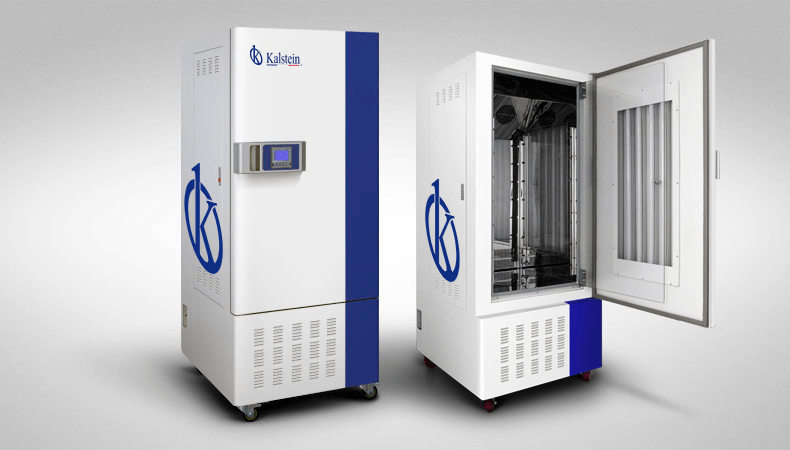
Artificial Climate Chamber: Practical Guide for Use in 2026
What is it used for in 2026
In 2026, Artificial Climate Chambers, such as the YR05347, YR05348, and YR05349 models, are utilized extensively in various fields of research and development. These chambers allow for the simulation of environmental conditions, replicating day and night light changes and climatic variations. Their primary applications include biological tissue studies, cell culture, plant cultivation, and small animal and insect feeding. This versatility makes them indispensable for laboratories aiming to conduct long-term experiments under controlled conditions.
History and evolution of the technology
The evolution of Artificial Climate Chambers began with basic environmental control systems in the early 20th century. Over the decades, advancements in refrigeration, control technologies, and materials have transformed these chambers into sophisticated equipment. By 2026, models like YR05347, YR05348, and YR05349 incorporate state-of-the-art features, such as PID microprocessor control, forced convection modes, and energy-efficient cooling systems. This evolution reflects the growing need for precise environmental conditions in laboratory settings, enhancing the quality of research outputs.
How to use it step by step
Using an Artificial Climate Chamber effectively involves several key steps:
- Preparation: Ensure the chamber is clean and free of contaminants. Verify that all components are functioning correctly according to the user manual.
- Setup: Set the required temperature and humidity levels based on the specific experiment protocols.
- Lighting Configuration: Adjust the lighting settings to simulate day/night cycles as needed for the experiment.
- Loading Samples: Carefully place the biological tissues, cells, or plants inside the chamber ensuring proper spacing and airflow.
- Monitoring: Regularly check the chamber’s controls and readings throughout the experiment to maintain optimal conditions.
- Data Collection: Record measurements and observations as needed, ensuring to note any deviations or anomalies.
- Finalization: After the experiment, remove samples and clean the chamber appropriately to prepare for future use.
Best techniques and protocols
Best practices for using Artificial Climate Chambers include:
- Utilizing calibrated instruments for monitoring temperature and humidity.
- Implementing regular maintenance checks to ensure all sensors and controls are functioning accurately.
- Following established experimental protocols to avoid contamination and ensure reproducibility of results.
- Documenting each step and observation meticulously for data integrity.
- Engaging with colleagues and industry forums to share findings and best practices.
Practical applications by laboratory type
Artificial Climate Chambers are widely used across different laboratory types:
- Biological Laboratories: For studying the effects of environmental changes on tissue and cellular growth.
- Agricultural Research: To optimize conditions for plant growth and development studies.
- Environmental Science: For simulating climate change impacts on various ecosystems.
Regulations, standards and certifications
In 2026, compliance with industry standards such as ISO 9001 for quality management systems and ISO 17025 for laboratory testing is crucial. Additionally, ensuring that equipment meets local safety and environmental regulations is essential for operational integrity.
Comparison with alternative technologies
While Artificial Climate Chambers are highly effective, alternatives such as growth rooms and greenhouses exist. However, these alternatives may lack the precise environmental control that chambers provide, making them less suitable for sensitive experiments. Compared to open systems, Artificial Climate Chambers offer controlled variables, reducing the risk of external contamination and ensuring more reliable results.
Comparison of available models
| Model | Best for | Key specs | Recommended use case |
|---|---|---|---|
| YR05347 | Biological tissue, cell culture | Temp: 10~65°C, Humidity: 50~90% HR | Long-term cultural experiments |
| YR05348 | Plant cultivation | Temp: 10~65°C, Illumination: 0~15000 | Studies on plant growth under controlled light conditions |
| YR05349 | Insect feeding | Temp: 10~65°C, Humidity fluctuation: ±3% | Experimental setups for small animal feeding |
Common mistakes and how to avoid them
Common mistakes in using Artificial Climate Chambers include:
- Not regularly calibrating equipment leading to inaccurate readings.
- Overloading the chamber, which can disrupt airflow and affect results.
- Ignoring the importance of maintaining a clean environment, risking contamination.
To avoid these pitfalls, establish a regular maintenance schedule, follow user guidelines strictly, and ensure proper training for all laboratory staff using the equipment.
Maintenance, calibration and good practices 2026
Regular maintenance, including cleaning and calibration, is crucial for the longevity and accuracy of Artificial Climate Chambers. Recommendations include:
- Performing monthly checks on temperature and humidity sensors.
- Cleaning the interior surfaces weekly to prevent buildup of contaminants.
- Documenting all maintenance activities as part of lab records.
Cost-benefit analysis 2026
Investing in Artificial Climate Chambers can yield significant long-term benefits, including:
- Improved accuracy and reliability in experimental results.
- Reduction in resource wastage due to optimized conditions.
- Enhanced capabilities for conducting a wider range of experiments leading to better publication outputs.
While the upfront costs may be high, the potential for advanced research outcomes justifies the investment.
Frequently asked questions
What are the key factors to consider when choosing an Artificial Climate Chamber?
Key factors include the temperature and humidity range, capacity, energy efficiency, and specific features like programmable lighting and temperature controls, tailored to your experimental needs.
How often should I calibrate my Artificial Climate Chamber?
Calibration should be performed at least once every six months or more frequently if you notice any discrepancies in temperature or humidity readings.
Can I use the chamber for multiple types of experiments?
Yes, the versatility of Artificial Climate Chambers allows for different types of experiments, provided you adjust the settings accordingly for each use.
What is the best way to clean the chamber?
Use a non-corrosive disinfectant and soft cloth to clean the internal surfaces. Avoid using abrasive materials that may damage the chamber.
Are there specific protocols for using these chambers with live organisms?
Yes, it is critical to follow specific protocols regarding temperature and humidity settings, as well as ensuring proper light exposure tailored to the species being studied.
How do I ensure consistency in my experiments using an Artificial Climate Chamber?
Maintain a consistent environment by regularly monitoring and adjusting settings, using calibrated instruments, and ensuring all samples are treated equally during experiments.
If you are looking for a fusion of innovation and quality, you have come to the right place. At Kalstein, we offer you the luxury of exploring our exclusive catalog of laboratory equipment. We manufacture every device to the highest standards of excellence. Our intuitive and seamless online purchasing channels are designed for your convenience, securing the most competitive prices. Hesitate no longer — we bring science to life, it is time to become part of our community.