Automatic fabric dye YR435
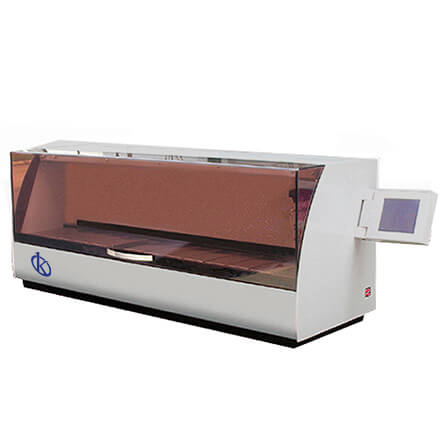
El flujo de entrada de agua automático inteligente / sistema de salida / drenaje garantiza la limpieza del agua utilizada en cada paso y mejora la eficiencia del agua. La pantalla táctil LCD importada de alta calidad integrada con software intuitiva ofrece una pantalla clara, una respuesta rápida, alta eficiencia y operación simple El diseño único y ergonómico del protocolo de tinción cumple con las diferentes necesidades de los usuarios.
This page provides an overview of the Automatic fabric dye YR435, including selection criteria, investment factors, operational advantages and maintenance recommendations. The aim is to support an informed decision before requesting a quotation.
This Kalstein model is available for laboratories in India, with selection criteria adapted to local purchasing, installation and support conditions.
Key factors to consider
Before selecting the Automatic fabric dye YR435, confirm workflow, available space, required accessories and installation conditions. This prevents oversizing the purchase and helps prepare a more accurate quotation.
Its use is oriented to laboratory routines that require observation, control and operational continuity.
For the market in India, evaluation should consider local context such as CDSCO regulation, pharma manufacturing hub and match the product to the real workload of the laboratory.
Market price range
The investment should be evaluated according to configuration, required accessories, installation conditions and available technical support.
The final price may vary according to configuration, accessories, logistics, warranty and territorial availability. Compare the technical sheet with the real laboratory workload before confirming the investment.
In India, budget comparison should include CDSCO references, 230V/50Hz power conditions, accessories, logistics and after-sales support.
Value for money
Equipment value depends on operational stability, required accuracy, ease of maintenance and accessory availability.
Value for money should be reviewed together with equipment stability, after-sales support, technical documentation and expected service life. A well-matched selection reduces downtime and improves return on investment.
Advantages and disadvantages
Its use is oriented to laboratory routines that require observation, control and operational continuity.
Main advantages include specialized application, integration with laboratory routines and accessory configuration. Limitations may include installation requirements, user training and preventive maintenance to preserve performance.
Expected lifespan based on use and maintenance
Model YR435 (current) Number of processing cups 14 (12 reagent vessels, the 8th washing station, and the first drying station) Processing time duration for each station Adjustable within 0 min 0 s – 59 min 59 s for each station Individual vessel capacity 1500ml Number of slides that will be processed at the same time 72 pieces Operating voltage AC 220 V ± 10 % 50 Hz (standard model); AC 110 V ± 10 % 60 Hz Power requirements 500W Dimensions 1180 × 420 × 470 mm (W × D × H) Net weight 70kg
Service life depends on usage frequency, cleaning, storage, calibration when applicable and adherence to technical recommendations. A structured maintenance plan helps preserve accuracy, safety and operational continuity.
Support and spare-parts availability oriented to India helps preserve service continuity and plan preventive maintenance without extended downtime.
Specifications table for the Automatic fabric dye YR435
Automatic fabric dye YR435
- La pantalla táctil LCD importada de alta calidad integrada con software intuitiva ofrece una pantalla clara, una respuesta rápida, alta eficiencia y operación simple
- El diseño único y ergonómico del protocolo de tinción cumple con las diferentes necesidades de los usuarios.
- Sistema de transmisión flexible de bajo ruido, resistente al desgaste, utilizando materiales y elementos importados de alta calidad para garantizar un rendimiento confiable
- El flujo de entrada / salida de agua automático inteligente / sistema de desagüe garantiza la limpieza del agua utilizada en cada paso y mejora la eficiencia del agua
- La canasta de tinción especial permite la tinción rápida de docenas de diapositivas, que es un proceso seguro, confiable y respetuoso con el medio ambiente.
- Las diapositivas se enjuagan y se limpian con agua circulante, y tienen una función de secado.
| Model | YR435 (current) |
| Number of processing cups | 14 (12 reagent vessels, the 8th washing station, and the first drying station) |
| Processing time duration for each station | Adjustable within 0 min 0 s – 59 min 59 s for each station |
| Individual vessel capacity | 1500ml |
| Number of slides that will be processed at the same time | 72 pieces |
| Operating voltage | AC 220 V ± 10 % 50 Hz (standard model); AC 110 V ± 10 % 60 Hz |
| Power requirements | 500W |
| Dimensions | 1180 × 420 × 470 mm (W × D × H) |
| Net weight | 70kg |
Frequently Asked Questions about the Automatic fabric dye YR435
How do I choose the right automatic fabric dye yr435 for my laboratory?
Selection should start from workload, critical technical parameters, available space and frequency of use. Kalstein can support the comparison between operational needs, budget and maintenance requirements to avoid choosing equipment that is oversized or insufficient.
What should I review before requesting a quotation?
Review the model, technical specifications, required accessories, electrical conditions, consumables, delivery timing and installation needs. With this information, the quotation can be prepared more accurately and aligned with the laboratory workflow.
Does Kalstein provide guidance for this type of equipment?
Yes. The commercial and technical team can support product evaluation, explain differences between models, answer application questions and advise on preventive maintenance, spare parts and documentation required for a secure purchase.
What maintenance helps extend the equipment lifespan?
Follow the manufacturer manual, perform regular cleaning, verify calibrations or controls when applicable, avoid workload abuse and keep maintenance records. Stable use and preventive routines reduce failures and improve operational continuity.