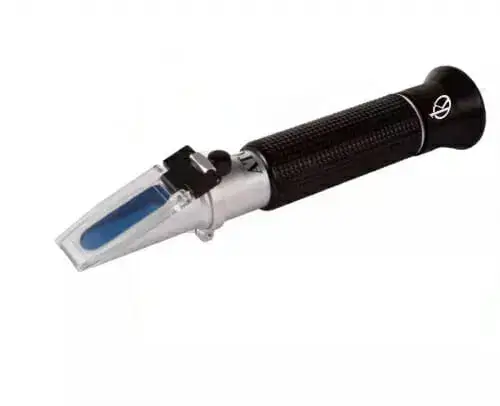
Beer Refractometer: Common Errors and How to Avoid Them in Daily Operation 2026
What is it used for in 2026
The Beer Refractometer is an essential tool in the brewing industry, allowing professionals to measure the sugar content in wort and monitor fermentation processes. Its accurate readings can help brewers achieve the desired alcohol content and flavor profile in their beers. In 2026, its application extends beyond traditional brewing to craft breweries and even educational laboratories that focus on fermentation science.
History and evolution of the technology
The refractometer has evolved significantly since its inception. Originally designed for sugar content detection in various solutions, it has become specialized for beer brewing. Early models required manual temperature adjustments and conversions, which complicated usage. Modern Beer Refractometers, however, utilize Automatic Temperature Compensation (ATC), streamlining the process and improving accuracy, making them invaluable tools in today's brewing practices.
How to use it step by step
- Preparation: Clean the refractometer with distilled water to avoid contamination.
- Sample collection: Obtain a small sample of the wort.
- Reading: Place a few drops of the sample on the prism of the refractometer.
- Measurement: Close the cover plate and look through the eyepiece to read the Brix scale.
- Temperature Adjustment: If applicable, make adjustments based on the temperature reading if your model does not feature ATC.
- Record Data: Document your findings for analysis and trends.
Best techniques and protocols
To ensure accurate measurements, always calibrate the Beer Refractometer before use. Use distilled water to calibrate to zero Brix. Additionally, take multiple readings and calculate the average to minimize errors. Always be aware of the temperature, as significant fluctuations can affect sugar density readings.
Practical applications by laboratory type
In craft breweries, the Beer Refractometer is used during mash and boil stages to track sugar levels. In educational settings, it serves as a teaching tool for students learning about fermentation processes. Quality control labs utilize it for batch consistency, ensuring that the final product meets defined specifications.
Regulations, standards and certifications
Beer Refractometers must meet industry standards such as ISO 9001 for quality management systems. Compliance with local brewing regulations is also essential, as these ensure that the equipment is fit for purpose and safe for production. Regular inspections and maintenance checks are recommended to uphold these standards.
Comparison with alternative technologies
Compared to traditional hydrometers, Beer Refractometers offer faster and more precise readings with less sample volume required. However, hydrometers do not necessitate temperature adjustments when measuring sugar content at various temperatures, making them a viable option for some traditional brewers. The efficiency and ease of use of refractometers typically make them the preferred choice in modern brewing practices.
Comparison of available models
| Model | Best for | Key specs | Recommended use case |
|---|---|---|---|
| YR05939 | Wort Sugar Measurement | 0-32% Brix, SG: 1.000-1.120, ±0.2% | Brewing during the boiling stage |
| YR05940 | Wort Sugar Measurement | 0-32% Brix, SG: 1.000-1.120, ±0.2% | Quick checks during fermentation |
| YR05941 | Wort Sugar Measurement | 0-32% Brix, SG: 1.000-1.120, ±0.2% | Consistency checks throughout the brewing process |
| YR05942 | Wort Sugar Measurement | 0-32% Brix, SG: 1.000-1.120, ±0.2% | Frequent monitoring of sugar levels |
| YR05943 | Wort Sugar Measurement | 0-32% Brix, SG: 1.000-1.120, ±0.2% | Quality control processes |
Common mistakes and how to avoid them
One of the most common mistakes is not calibrating the Beer Refractometer before use. Always calibrate with distilled water to ensure precise readings. Another frequent error is neglecting temperature adjustments, especially if the model does not have ATC. Make sure to account for temperature variations. Additionally, failing to clean the device properly can lead to cross-contamination and inaccurate results. Regular cleaning and maintenance are crucial.
Maintenance, calibration and good practices 2026
Regular maintenance includes cleaning the prism with distilled water and a soft cloth after each use. Calibration should be performed at least monthly, using distilled water to set the Brix scale to zero. Replace batteries as required and check for any physical damage regularly. Ensuring your device is stored in a protective case when not in use will prolong its lifespan.
Cost-benefit analysis 2026
Investing in a Beer Refractometer can be cost-effective for breweries, as the accuracy and speed of measurements can lead to better product consistency and quality. Although the initial purchase price may be higher than a hydrometer, the long-term benefits in terms of reduced time and improved brewing processes make it a worthwhile investment. Consider the volume of production and frequency of use to assess the overall cost-effectiveness.
Frequently asked questions
What should I consider when choosing a Beer Refractometer?
When choosing a Beer Refractometer, consider the measurement range, accuracy, and whether it includes Automatic Temperature Compensation (ATC) for ease of use. Additionally, assess the build quality and user reviews to ensure reliability.
How often should I calibrate my Beer Refractometer?
Calibration should be performed at least once a month or before any critical measurement session, especially if the device is used frequently or exposed to varying temperatures.
Can I use a Beer Refractometer for different types of brews?
Yes, Beer Refractometers are versatile and can be used for various types of beers, including ales, lagers, and stouts. They are designed to measure the sugar content in wort across different brewing styles.
What is the advantage of Automatic Temperature Compensation (ATC)?
ATC allows the Beer Refractometer to automatically adjust readings based on the temperature of the wort, ensuring greater accuracy without the need for manual adjustments, making it easier to obtain precise measurements.
How do I prevent contamination when using a Beer Refractometer?
To prevent contamination, always clean the refractometer prism with distilled water and a lint-free cloth after each use. Avoid touching the prism with your fingers and use a dedicated sample dropper for wort collection.
What is the ideal storage condition for a Beer Refractometer?
Store your Beer Refractometer in a cool, dry place, ideally in a protective case to prevent accidental damage. Avoid exposing it to extreme temperatures or humidity, which can affect its functionality.
If you are looking for a fusion of innovation and quality, you have come to the right place. At Kalstein, we offer you the luxury of exploring our exclusive catalog of laboratory equipment. We manufacture every device to the highest standards of excellence. Our intuitive and seamless online purchasing channels are designed for your convenience, securing the most competitive prices. Hesitate no longer — we bring science to life, it is time to become part of our community.