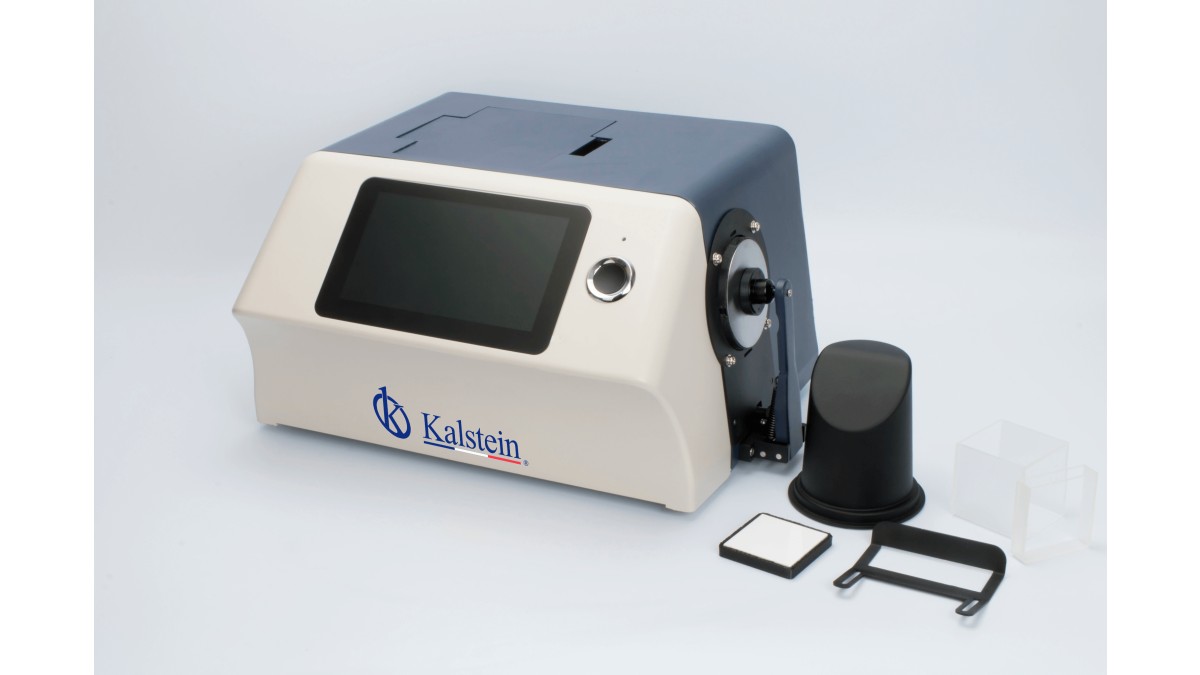
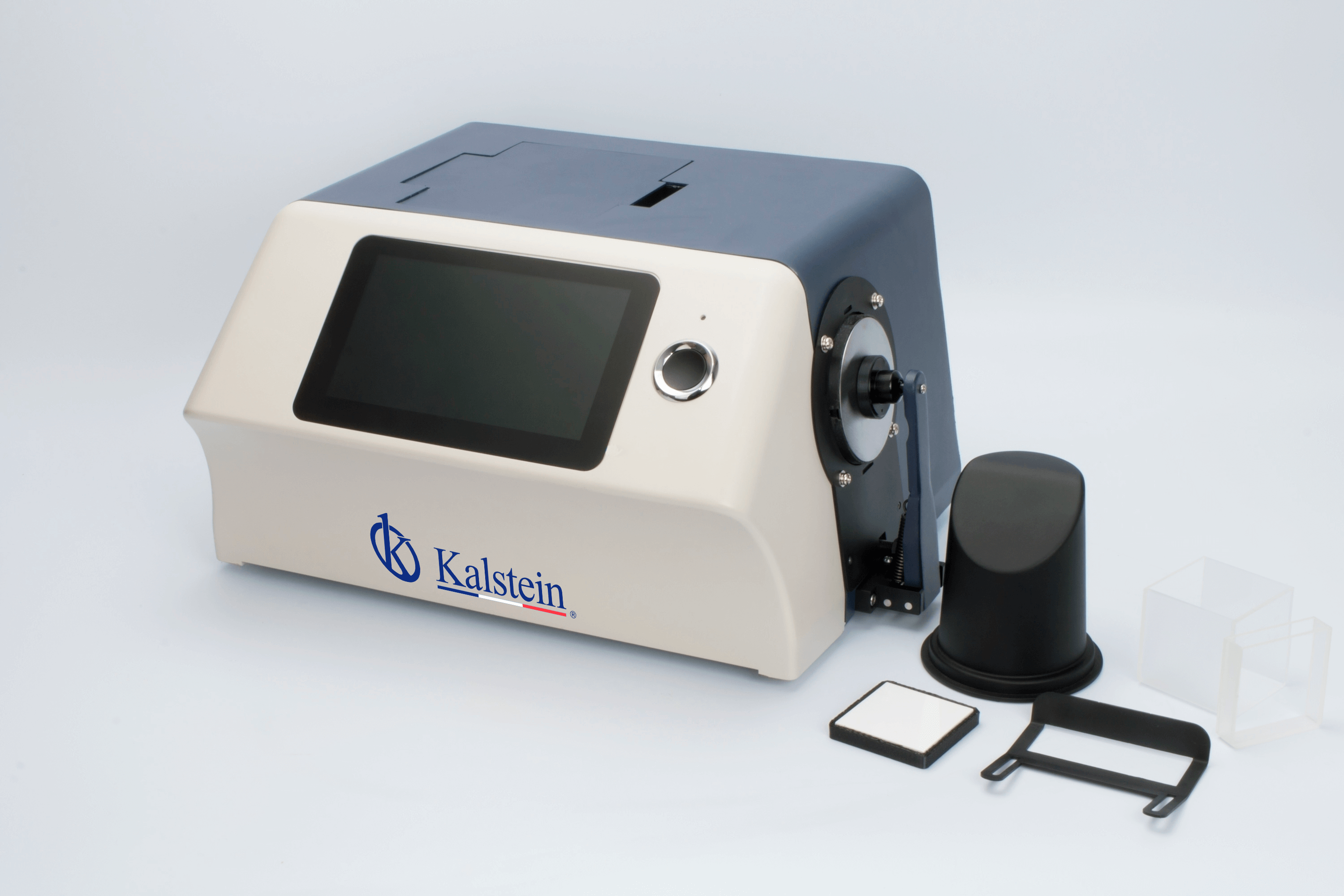
Benchtop Spectrophotometers: Applications in Research, Biotechnology, and Academia 2026
What is it used for in 2026
Benchtop spectrophotometers are essential tools in laboratories for analyzing the absorbance and transmittance of light by various materials. As of 2026, these instruments find applications across diverse fields including research, biotechnology, and academic studies. They are particularly useful for:
- Measuring color parameters in liquids, solids, and powders.
- Performing quality control in industries such as textiles, plastics, and food.
- Conducting research in biochemistry, chemistry, and materials science.
- Utilizing advanced techniques for precise color matching and consistency.
History and evolution of the technology
The development of spectrophotometry can be traced back to the early 19th century, with significant advancements occurring throughout the 20th century. Originally, spectrophotometers were large, complex instruments requiring extensive technical knowledge to operate. However, technological advancements have led to the creation of compact, user-friendly benchtop models. Features such as touch screens, integrated software, and advanced sensors have transformed their usability.
How to use it step by step
Using a benchtop spectrophotometer effectively involves several steps:
- Preparation: Ensure the instrument is calibrated and clean. Check for any software updates.
- Sample Preparation: Prepare your samples according to the required specifications, ensuring they are free from contaminants.
- Setting Up the Instrument: Turn on the spectrophotometer and set the desired wavelength range based on your analysis.
- Measuring the Sample: Place the sample in the designated holder and initiate the measurement process.
- Data Analysis: Once the measurement is complete, analyze the data using the provided software, adjusting for any necessary parameters.
- Documentation: Record the findings and ensure all data is saved for future reference.
Best techniques and protocols
When utilizing benchtop spectrophotometers, it is crucial to adhere to established protocols to ensure accurate results. Some recommended techniques include:
- Utilizing blank samples for baseline measurements.
- Conducting multiple readings for reliability.
- Maintaining consistent environmental conditions during measurements.
- Applying appropriate dilution techniques for concentrated samples.
- Regularly calibrating the instrument with standard solutions.
Practical applications by laboratory type
Benchtop spectrophotometers are employed in various laboratory settings:
- Biotechnology Labs: Used for analyzing biochemical compounds and assessing colorimetric reactions.
- Quality Control Labs: Essential for monitoring color consistency in products like textiles and paints.
- Educational Institutions: Widely used for teaching principles of light absorption and materials characterization.
- Research Facilities: Crucial for conducting experiments that require precise color measurement and analysis.
Regulations, standards and certifications
To ensure the accuracy and reliability of measurements, benchtop spectrophotometers must comply with various regulations and standards, including:
- ISO 17025 for laboratory competency.
- ASTM standards for testing methods.
- CIE standards for color measurement.
- Good Laboratory Practice (GLP) guidelines.
Comparison with alternative technologies
While benchtop spectrophotometers are popular for color analysis, there are alternative technologies such as handheld spectrophotometers and colorimeters. The differences include:
- Handheld Spectrophotometers: More portable, but typically offer limited functionality compared to benchtop models.
- Colorimeters: Generally less expensive and easier to use, but may lack the precision and range of a spectrophotometer.
Comparison of available models
| Model | Best for | Key specs | Recommended use case |
|---|---|---|---|
| YR05474 | Color analysis in R&D | High stability, TFT touch screen, full illuminants | Ideal for laboratory environments requiring precise color measurements. |
| YR05475 | Laboratory color assessment | 7-inch screen, UV inclusion/exclusion | Used in academic and research settings for advanced color analysis. |
| YR05476 | Color and haze measurement | Various optical geometries, complies with multiple standards | Best suited for facilities that require compliance with industry standards. |
| YR05477 | Reflectance and transmittance testing | High precision with dual measurement options | Perfect for applications involving both solid and liquid samples. |
| YR05478 | Color difference measurement | Temperature compensation, advanced color formulas | Widely applied in the paint and coating industries for quality control. |
| YR05482 | Non-contact measurements | 45/0 geometry, versatile application | Used for liquid and powder samples where contact is not permissible. |
Common mistakes and how to avoid them
To achieve accurate results, avoid these common mistakes:
- Using uncalibrated equipment — always calibrate before use.
- Improper sample preparation — ensure that samples are adequately prepared and free from contaminants.
- Neglecting environmental factors — keep the operation area stable in terms of temperature and light.
- Failing to follow protocols — adhere strictly to standard operating procedures for measurements.
Maintenance, calibration and good practices 2026
Regular maintenance and calibration are crucial for optimal performance:
- Calibrate the spectrophotometer frequently according to the manufacturer’s guidelines.
- Clean optical components to prevent contamination.
- Store the instrument in a controlled environment to avoid damage.
- Document all maintenance activities for traceability.
Cost-benefit analysis 2026
When investing in a benchtop spectrophotometer, consider the initial cost versus long-term benefits:
- Initial investment is often offset by the accuracy and efficiency gained in data collection.
- Improved quality control can lead to significant cost savings through reduced waste and rework.
- Enhanced research capabilities can open up new funding opportunities and collaborations.
Frequently asked questions
What should I consider when choosing a benchtop spectrophotometer?
Consider factors such as the specific applications you need, the required wavelength range, and whether you need additional features like UV measurement capabilities.
How do I ensure accurate color measurements?
To ensure accuracy, regularly calibrate your device, use proper sample preparation techniques, and follow established measurement protocols.
Can I use a benchtop spectrophotometer for both solid and liquid samples?
Yes, many models are designed to measure both solid and liquid samples effectively, but ensure the specifications match your sample type.
What are the maintenance requirements for these devices?
Regular calibration, cleaning of components, and storage in a controlled environment are essential for maintaining performance.
How does temperature affect spectrophotometric measurements?
Temperature fluctuations can affect sample viscosity and optical properties; therefore, maintaining a stable environment is crucial for accurate results.
What types of software should I use with my spectrophotometer?
Look for software that allows for data analysis, reporting, and compliance with industry standards to enhance your measurement capabilities.
How do I request a quote for a spectrophotometer?
To request a personalized quote, contact your supplier or visit their website for options to submit inquiries.
If you are looking for a fusion of innovation and quality, you have come to the right place. At Kalstein, we offer you the luxury of exploring our exclusive catalog of laboratory equipment. We manufacture every device to the highest standards of excellence. Our intuitive and seamless online purchasing channels are designed for your convenience, securing the most competitive prices. Hesitate no longer — we bring science to life, it is time to become part of our community.