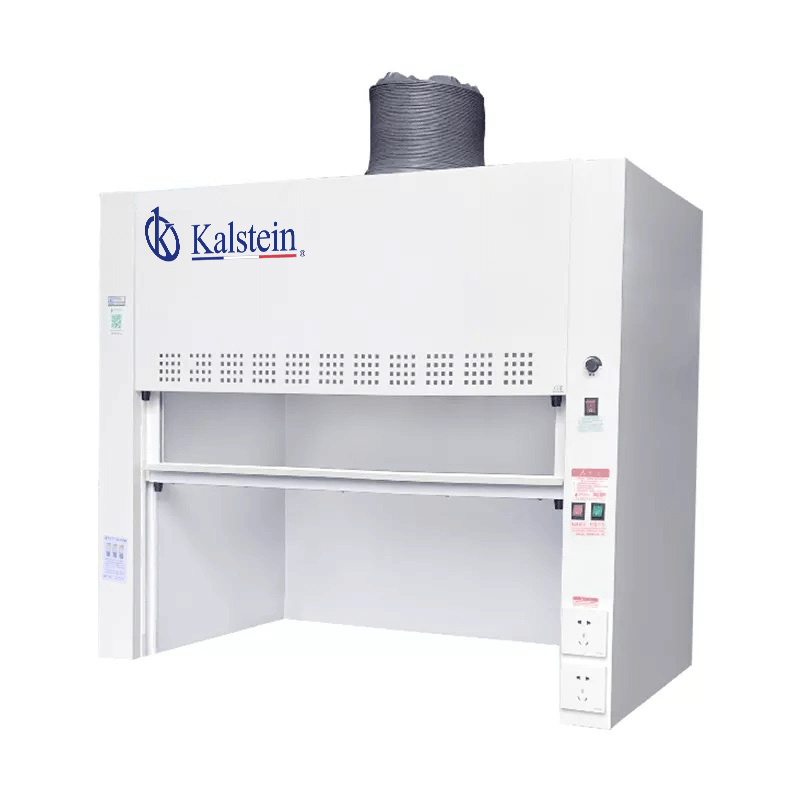
How to Ensure Biosafety and Safe Operator Handling in Fume Hood Cabinets
In laboratory environments where hazardous substances are handled, ensuring biosafety and protecting operators is paramount. Fume hood cabinets serve as a critical component in mitigating risks associated with chemical exposure. This article delves into effective biosafety protocols and safe handling practices tailored specifically for the various models of fume hood cabinets available in the market.
Understanding the Importance of Biosafety in Laboratory Settings
Biosafety in laboratories involves implementing practices and procedures designed to prevent accidental exposure to pathogens or hazardous chemicals. Fume hoods play a vital role in providing a controlled environment where toxic vapors can be safely managed. This section discusses key aspects of biosafety that laboratory professionals must be aware of, including the different biosafety levels (BSLs) and their implications for laboratory design.
Key Protocols for Safe Operator Handling
Operators must follow strict protocols while working with fume hoods to minimize the risk of exposure to harmful agents. These protocols include proper use and maintenance of fume hoods, appropriate personal protective equipment (PPE), and decontamination procedures after use. It's essential to train all personnel on these practices to ensure compliance with safety regulations.
Comparison of Available Models
| Model | External Dimensions (mm) | Internal Dimensions (mm) | Airflow Speed (m/s) | Price (USD) | Best For |
|---|---|---|---|---|---|
| YR05808 | 650 x 650 x 1000 | 450 x 600 x 750 | 0.4 - 0.6 | 390.00 | Basic chemical handling |
| YR05809 | 800 x 650 x 1000 | 600 x 600 x 750 | 0.4 - 0.6 | 420.00 | Versatile chemical applications |
| YR05810 | 1000 x 650 x 1000 | 800 x 600 x 750 | 0.4 - 0.6 | 470.00 | Advanced research labs |
| YR05811 | 1000 x 650 x 1000 | 1000 x 600 x 750 | 0.4 - 0.6 | 508.00 | Specialized chemical processes |
| YR05812 | 1500 x 650 x 1000 | 1300 x 600 x 750 | 0.4 - 0.6 | 526.00 | High-volume labs |
| YR05813 | 800 x 650 x 1900 | 600 x 600 x 750 | 0.4 - 0.6 | 610.00 | Large-scale operations |
Common Mistakes and How to Avoid Them
Inadequate training and improper use of fume hood cabinets are common mistakes that can compromise safety. Operators often overlook ventilation checks and fail to maintain the proper sash height. Regular training sessions and comprehensive maintenance schedules can help mitigate these risks, ensuring that all personnel understand best practices for their specific fume hood model.
Frequently Asked Questions
What biosafety level is required for using fume hood cabinets in chemical labs?
Fume hood cabinets are essential for laboratories that handle BSL-1 to BSL-4 materials, depending on the type of chemicals used. For instance, model YR05810 is best suited for advanced research labs that may require handling of higher-risk materials under strict biosafety conditions.
How effective are fume hood cabinets in containing hazardous fumes?
Fume hood cabinets are designed to contain hazardous fumes effectively by maintaining a controlled airflow. Models such as YR05809 are equipped with features that allow for adjustable airflow speeds, enhancing fume containment and ensuring operator safety.
What are the maintenance requirements for fume hood cabinets?
Regular maintenance of fume hood cabinets includes checking the airflow performance, cleaning the interior surfaces, and ensuring that all electronic components are functioning properly. For example, model YR05812 requires checking the LED lights and fan operation at regular intervals to maintain optimal performance.
Which fume hood models are best for high-volume laboratory operations?
For high-volume laboratory operations, the YR05812 model is recommended as it provides larger internal dimensions and efficient airflow to handle significant workloads while ensuring safety protocols are met.
How can laboratory personnel ensure compliance with safety standards when using fume hoods?
Compliance with safety standards can be ensured by following manufacturer guidelines, conducting routine training, and performing regular safety checks. Models like YR05808 facilitate easy access to essential components for inspection and adherence to protocols.
What personal protective equipment (PPE) is recommended when operating fume hoods?
Recommended PPE includes lab coats, gloves, and safety goggles. For operations with the YR05811 model, where chemical exposure risk is higher, respiratory protection may also be necessary depending on the substances being handled.
How can I optimize the use of fume hood cabinets to improve laboratory productivity?
Optimizing the use of fume hood cabinets involves strategic arrangement of materials and minimizing unnecessary movements. Ensuring that cabinet models like YR05813 are properly utilized can significantly reduce workflow interruptions and enhance overall productivity.
What are the costs associated with implementing fume hoods in laboratories?
The costs associated with implementing fume hoods, including models like YR05809, can vary based on initial investment, maintenance, and operational expenses. It's crucial to evaluate the total cost of ownership to ensure budget alignment for safety needs.
If you are looking for a fusion of innovation and quality, you have come to the right place. At Kalstein, we offer you the luxury of exploring our exclusive catalog of laboratory equipment. We manufacture every device to the highest standards of excellence. Our intuitive and seamless online purchasing channels are designed for your convenience, securing the most competitive prices. Hesitate no longer — we bring science to life, it is time to become part of our community.