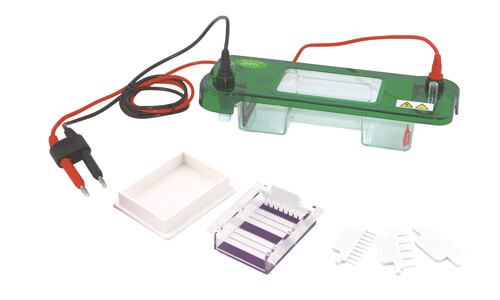
How to Ensure Biosafety in Laboratory Operations with Horizontal Electrophoresis
Laboratory environments require stringent biosafety protocols to ensure the safety of operators and the integrity of experiments. Horizontal electrophoresis has emerged as a vital technique in molecular biology, but it also poses certain risks if not managed correctly. This article discusses the biosafety protocols and operator safety measures essential when working with horizontal electrophoresis systems, focusing on various models and practical safety strategies.
Overview of Horizontal Electrophoresis and Its Biosafety Importance
Horizontal electrophoresis is a widely used technique for separating nucleic acids and proteins. While it is crucial for essential processes such as DNA analysis, it carries inherent risks, including exposure to hazardous reagents and biological materials. Understanding the biosafety protocols is essential for maintaining a secure laboratory environment. This section will delve into best practices and the role different electrophoresis models play in enhancing operator safety.
Understanding Biosafety Levels (BSL) in Electrophoresis
Biosafety levels (BSL) categorize laboratory practices based on the risk associated with biological materials used. Laboratories working with horizontal electrophoresis must adhere to BSL guidelines corresponding to the materials being analyzed. Each level has specific requirements for laboratory design, equipment, and safety protocols. For example, BSL-1 is suitable for handling non-pathogenic organisms, whereas BSL-2 is required for moderate-risk biological agents. Ensuring the correct BSL is vital for safe laboratory operations.
Personal Protective Equipment (PPE) for Operators
Utilizing appropriate personal protective equipment (PPE) is fundamental in minimizing exposure to hazardous materials during horizontal electrophoresis. Essential PPE includes lab coats, gloves, safety goggles, and face shields. The choice of PPE should align with the specific risks associated with the experiments being conducted. Regular training in the proper use and maintenance of PPE is crucial for all laboratory personnel.
Risk Assessment and Mitigation Strategies
Conducting a thorough risk assessment is an integral part of implementing biosafety protocols in laboratories. This involves identifying potential hazards associated with the use of horizontal electrophoresis equipment and the biological materials being processed. Once risks are identified, appropriate mitigation strategies can be developed, such as proper storage of reagents, spill response protocols, and regular equipment maintenance. This proactive approach can significantly reduce accidents and exposure incidents.
Decontamination Protocols for Horizontal Electrophoresis Equipment
Regular decontamination of equipment used in horizontal electrophoresis is essential for ensuring safety. Proper cleaning protocols help prevent cross-contamination and protect laboratory personnel. Equipment should be disinfected after each use, especially when working with biological samples. The choice of disinfectant should be compatible with the materials of the electrophoresis units and effective against the pathogens handled.
Comparison of Available Models
| Model Code | Gel Size (cm) | Sample Volume (ml) | Buffer Volume (ml) | Dimensions (mm) | Net Weight (Kg) | Best for |
|---|---|---|---|---|---|---|
| YR03415 | 18.6 x 20.5 | 3, 5, 9 | ~150 | 250 x 90 x 50 | 0.4 | General use in electrophoresis |
| YR03416 | 7.8 x 10 | 10, 15 | ~400 | 365 x 105 x 55 | 0.6 | Small sample analyses |
| YR03417 | 6 x 6, 12 x 6 | 3, 6, 8, 11, 13, 18, 25 | ~550 | 300 x 160 x 75 | 1.1 | Versatile applications |
| YR03418 | 14 x 14, 14 x 7 | 1, 2, 3, 6, 14, 8, 17, 13, 29 | ~900 | 390 x 187 x 63 | 2.0 | High throughputs |
| YR03419 | 13 x 13, 7.8 x 10 | 3, 5, 10, 15, 13, 26 | ~600 | 305 x 152 x 80 | 1.7 | Medium scale experiments |
| YR03420 | 20 x 20, 15 x 20 | 17, 22, 36, 44 | ~1800 | 397 x 230 x 93 | 3.3 | Large experiments |
Common Mistakes and How to Avoid Them
Laboratory personnel can make several common mistakes regarding biosafety when using horizontal electrophoresis equipment. Some of them include inadequate training on PPE usage, failure to decontaminate equipment properly, and neglecting to follow risk assessment protocols. To avoid these errors, laboratories should invest in regular training sessions, create a culture of safety, and implement checklists to reinforce compliance with established protocols.
Frequently Asked Questions
What biosafety level is required for horizontal electrophoresis operation?
The required biosafety level for horizontal electrophoresis largely depends on the biological materials being analyzed. Generally, BSL-1 or BSL-2 is necessary for most nucleic acid analyses. Models like YR03418 and YR03419 should be utilized in compliance with the specific BSL to ensure operator safety.
How can I ensure proper decontamination of electrophoresis units?
Proper decontamination involves cleaning the electrophoresis units after each use with suitable disinfectants. For example, after working with the YR03420 model, ensure all surfaces are cleaned to prevent cross-contamination.
What are the risks associated with using horizontal electrophoresis equipment?
Risks include exposure to hazardous reagents, biohazardous materials, and electrical hazards. Operators must follow strict biosafety protocols, especially when using models such as YR03415 that handle various samples.
Which model of horizontal electrophoresis is best for high-throughput experiments?
The YR03418 model is ideal for high-throughput experiments, accommodating multiple sample types and larger gel sizes while ensuring compliance with biosafety protocols, making it suitable for complex analyses.
How often should biosafety training be conducted in laboratories?
Biosafety training should be conducted at least annually, with refresher courses as needed. Laboratories using models like YR03416 should prioritize regular training to maintain a safe working environment.
What personal protective equipment is necessary for using horizontal electrophoresis?
Essential PPE includes lab coats, gloves, safety goggles, and face shields. When working with the YR03417 model, ensure all operators wear appropriate PPE to minimize exposure to hazardous materials.
How can I assess risks when working with horizontal electrophoresis?
Conduct a comprehensive risk assessment by identifying potential hazards associated with the biological samples and reagents used. Utilize models such as YR03419 to implement specific biosafety measures tailored to the identified risks.
If you are looking for a fusion of innovation and quality, you have come to the right place. At Kalstein, we offer you the luxury of exploring our exclusive catalog of laboratory equipment. We manufacture every device to the highest standards of excellence. Our intuitive and seamless online purchasing channels are designed for your convenience, securing the most competitive prices. Hesitate no longer — we bring science to life, it is time to become part of our community.