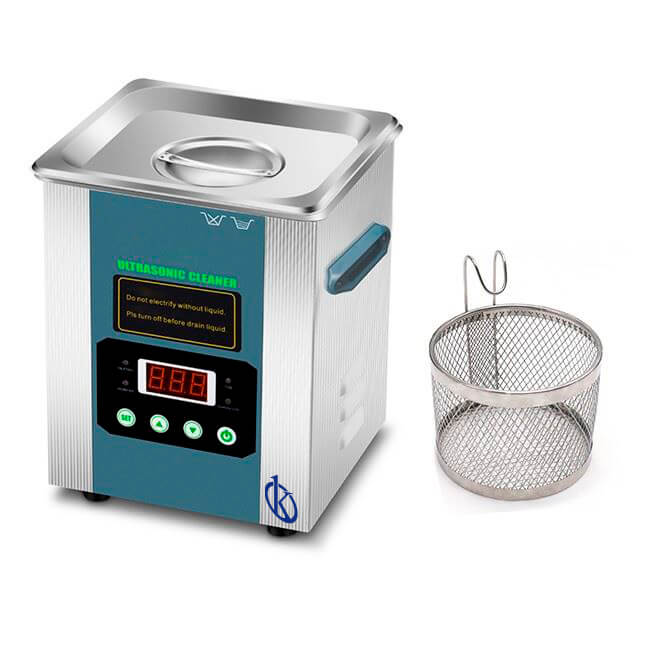
How to Ensure Biosafety Protocols and Safe Operator Management in Ultrasonic Cleaners?
In the dynamic world of laboratory settings, the use of Digital Display Ultrasonic Cleaners has become increasingly popular. These devices, while effective in cleaning various lab tools and equipment, also require adherence to strict biosafety protocols and proper operator management to minimize risks. This article delves into the key strategies for ensuring safety and compliance when using ultrasonic cleaners.
Understanding Biosafety Protocols for Ultrasonic Cleaners
Biosafety protocols are essential in any laboratory to protect staff and the environment from hazardous substances. For ultrasonic cleaners, these protocols involve understanding the risks associated with chemical exposure and the operation of the equipment itself.
Key aspects of biosafety protocols include the following:
- Risk Assessment: Conduct a thorough risk assessment to identify potential hazards associated with the cleaning solutions used and the contaminants being processed.
- Personal Protective Equipment (PPE): Ensure that all operators are equipped with appropriate PPE, such as gloves, goggles, and lab coats, to minimize exposure to harmful substances.
- Aerosol Containment: Implement strategies to contain aerosols generated during the cleaning process, which may include using fume hoods or localized exhaust systems.
Safe Operator Management Practices
Operator management is vital to maintaining a safe working environment when using ultrasonic cleaners. It involves training, supervision, and adherence to operational protocols.
To ensure safe operator practices, consider the following:
- Training: Provide comprehensive training programs for operators, focusing on the specific functions of the ultrasonic cleaner, safety considerations, and emergency procedures.
- Supervision: Maintain an oversight mechanism to ensure that operators follow established safety protocols during machine operation.
- Incident Reporting: Establish a system for reporting and documenting any incidents or near-misses to facilitate ongoing improvement of safety practices.
Comparison of Available Models
| Model | Tank Capacity (L) | Power (W) | Frequency (kHz) | Best Use Case |
|---|---|---|---|---|
| YR05208 | 2 | 70 | 40 | Jewelry cleaning, precision parts |
| YR05209 | 2 | 70 | 40 | Home use, portable cleaning |
| YR05212 | 4.5 | 180 | 40 | Laboratory applications requiring heating |
| YR05213 | 6.8 | 180 | 40 | Medium-sized parts cleaning |
| YR05214 | 11 | 240 | 40 | Heavy-duty cleaning |
| YR05215 | 15 | 360 | 36 | Industrial cleaning applications |
Common Mistakes and How to Avoid Them
Using ultrasonic cleaners effectively requires knowledge and adherence to best practices. Common mistakes include:
- Ignoring Manufacturer Guidelines: Operators often overlook specific guidelines provided by manufacturers, leading to improper use. Always refer to the user manual for operational and safety instructions.
- Inadequate Cleaning Solutions: Using the wrong cleaning solution can damage both the cleaner and the items being cleaned. Ensure that the solution is compatible with the materials being processed.
- Overloading the Tank: Overfilling an ultrasonic cleaner compromises its efficiency. Operators should always respect the recommended maximum load.
Frequently Asked Questions
How do I ensure compliance with biosafety regulations when using ultrasonic cleaners?
Ensuring compliance with biosafety regulations when using ultrasonic cleaners like the YR05212 involves performing regular risk assessments, using appropriate PPE, and following manufacturer guidelines for operation and cleaning solutions.
What training is required for operators of ultrasonic cleaners?
Operators of ultrasonic cleaners should undergo training that includes understanding the machine's functions, safety protocols, and proper handling of cleaning solutions to protect themselves and the environment.
Which ultrasonic cleaner model is best for jewelry cleaning in a laboratory?
The YR05208 model is ideal for jewelry cleaning in a laboratory setting, offering a compact design, effective ultrasonic cleaning, and operation at 40 kHz, which is efficient for delicate items.
How can I manage risks associated with ultrasonic cleaner use?
Managing risks involves implementing comprehensive training for operators, using adequate PPE, and conducting regular maintenance checks on the equipment to ensure safe operation in the laboratory environment.
What are the common biosafety challenges related to ultrasonic cleaners?
Common biosafety challenges include chemical exposure, aerosol generation during cleaning, and the potential for cross-contamination if proper protocols are not followed. Using models like YR05214 can help mitigate these risks with proper procedures.
How does the power rating of an ultrasonic cleaner affect its performance?
Higher power ratings, such as the 360W in the YR05215 model, allow for more efficient cleaning by producing stronger ultrasonic waves, thus increasing cleaning effectiveness for various laboratory applications.
What precautions should be taken when using heated ultrasonic cleaners?
When using heated ultrasonic cleaners like the YR05212, precautions include monitoring the temperature settings, ensuring the cleaning solutions are safe for heating, and regularly checking for overheating of the unit.
How often should ultrasonic cleaners be maintained for optimal performance?
Ultrasonic cleaners should undergo maintenance checks every 3-6 months, including cleaning the tank, checking ultrasonic transducers, and replacing cleaning solutions regularly to ensure optimal cleaning performance.
If you are looking for a fusion of innovation and quality, you have come to the right place. At Kalstein, we offer you the luxury of exploring our exclusive catalog of laboratory equipment. We manufacture every device to the highest standards of excellence. Our intuitive and seamless online purchasing channels are designed for your convenience, securing the most competitive prices. Hesitate no longer — we bring science to life, it is time to become part of our community.