How to Implement Biosafety Protocols and Ensure Safe Operator Handling in Veterinary Surgical Procedures
In the realm of veterinary surgery, the importance of strict biosafety protocols cannot be overstated. These protocols not only safeguard the animals but also ensure the well-being of the surgical team. This article delves into the application of biosafety measures specifically tailored for veterinary surgical tools, focusing on best practices, compliance requirements, and the critical role they play in operator safety.
Understanding Biosafety Protocols in Veterinary Surgery
Biosafety protocols are designed to minimize the risk of exposure to biological agents and ensure the safety of both healthcare workers and patients. In veterinary surgical settings, these protocols encompass a range of practices, from sterilization techniques to the use of personal protective equipment (PPE). The ultimate goal is to prevent contamination, infections, and accidents during surgical procedures.
Key Elements of Biosafety Protocols
The core components of effective biosafety protocols in veterinary surgery include:
- Risk Assessment: Conduct thorough risk assessments to identify potential hazards associated with specific surgical procedures.
- PPE Usage: Implement stringent guidelines on the use of appropriate PPE such as gloves, gowns, masks, and eye protection.
- Sterilization Procedures: Establish and adhere to rigorous sterilization protocols for surgical instruments and tools to prevent infection.
- Decontamination Protocols: Develop clear decontamination procedures for work surfaces and equipment post-surgery.
Comparison of Available Models
| Model | Best for | Key Features | Price (USD) |
|---|---|---|---|
| YR06126 | Joint and neuro surgery | Multiple functions, quick adapter change | 3100.00 |
| YR06127 | Small animal surgeries | Lightweight, ergonomic design | 1300.00 |
| YR06128 | TPLO surgery | High-strength stainless steel construction | 1200.00 |
Assessing the Safety Features of Veterinary Surgical Tools
When selecting surgical tools, it is crucial to evaluate their safety features closely. Features such as ergonomic design, low noise levels, and ease of sterilization can significantly impact operator safety. Each of the models discussed offers distinct advantages:
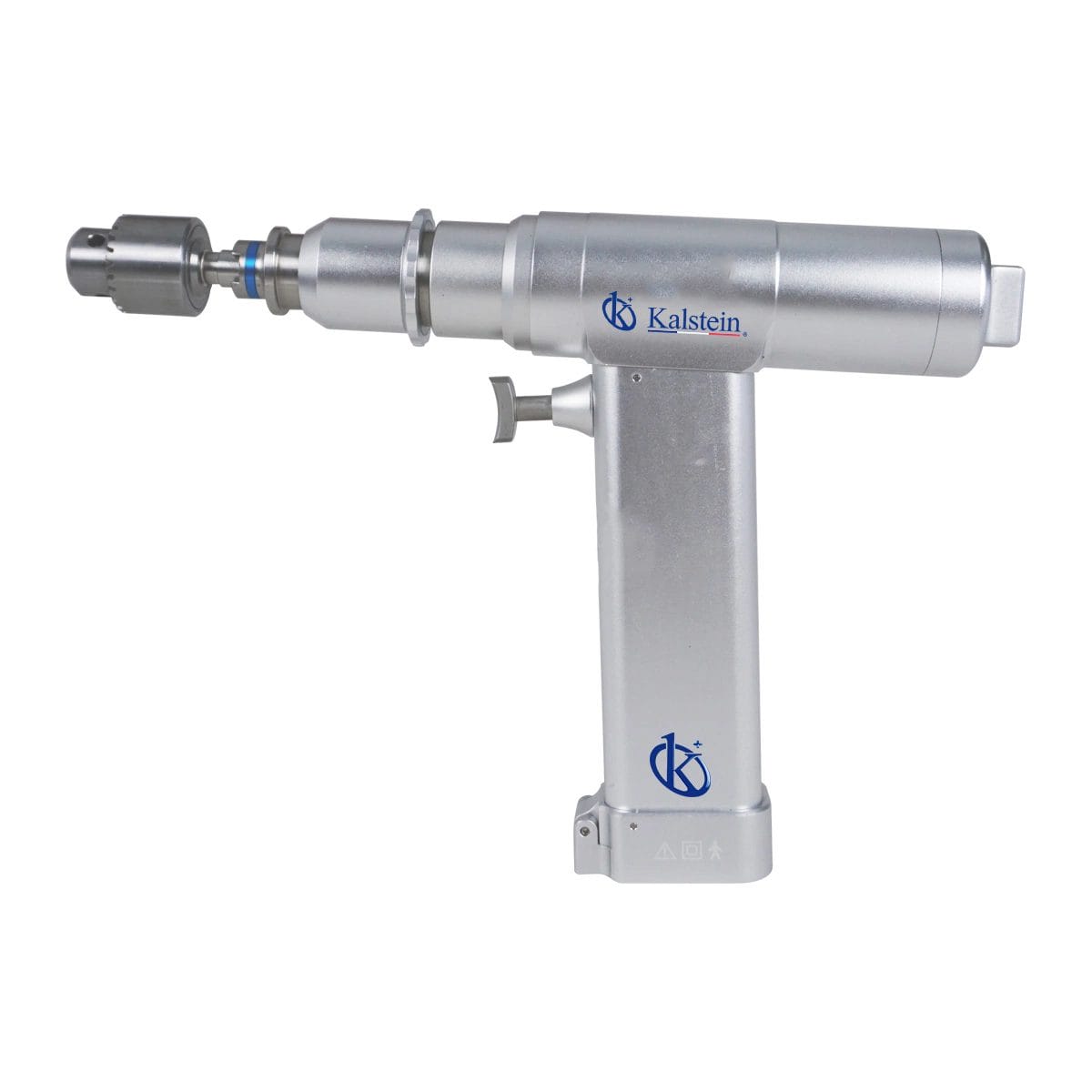
- YR06126: An electric multifunction tool designed for various surgical applications. Its quick adapter change feature allows operations to switch tools seamlessly, minimizing the risk of contamination.
- YR06127: A micro/mini multifunctional veterinary tool tailored for small animal surgeries. Its ergonomic design reduces operator fatigue, enhancing overall safety.
- YR06128: Specifically designed for TPLO surgeries, this saw features high-strength materials that ensure durability and precision, minimizing the risk of surgical errors.
Common Mistakes and How to Avoid Them
Adherence to biosafety protocols is paramount in veterinary surgery, yet common mistakes can compromise safety. Here are some frequent oversights and their solutions:
- Lack of Training: Failing to train staff on biosafety protocols can lead to dangerous practices. Regular training sessions should be implemented to ensure all personnel are up-to-date.
- Insufficient Sterilization: Skipping sterilization processes for surgical tools can cause infections. Ensure all equipment, such as the YR06126, is properly sterilized before use.
- PPE Neglect: Overlooking the importance of PPE can increase exposure risk. Enforce strict PPE guidelines and ensure availability for all surgical staff.
Best Practices for Operator Protection
Operators must be protected from potential hazards when performing veterinary surgeries. Effective measures include:
- Regular Risk Assessments: Assess the surgical environment regularly to identify new hazards.
- Use of Advanced Tools: Invest in advanced surgical tools like the YR06127 to minimize risks during procedures.
- Implementing Safe Work Practices: Develop clear protocols for tool handling, cleaning, and storage to prevent accidents.
Frequently Asked Questions
What biosafety protocols should be followed when using veterinary surgical tools?
Implementing biosafety protocols involves conducting risk assessments, using appropriate PPE, and adhering to sterilization procedures. Tools like the YR06126 are designed to facilitate safe practices while performing surgeries.
How does proper sterilization affect operator safety in veterinary surgeries?
Proper sterilization minimizes the risk of infections and contamination during surgeries, protecting operators and patients alike. Utilizing tools such as the YR06128 ensures compliance with sterilization standards.
What are the benefits of using multifunctional veterinary surgical tools?
Multifunctional tools, like the YR06127, offer versatility for various surgeries and enhance operational efficiency while adhering to safety protocols, ensuring a safer working environment.
How can I ensure compliance with biosafety standards in my veterinary practice?
Compliance can be achieved by implementing regular training for staff, conducting risk assessments, and maintaining a consistent sterilization protocol for surgical tools, including models like the YR06126.
What role does PPE play in veterinary surgical settings?
PPE is crucial in protecting operators from biological hazards. By enforcing strict PPE usage among staff, veterinary practices can significantly reduce the risk of exposure during surgeries.
How often should biosafety training be conducted for surgical teams?
Biosafety training should be conducted regularly, ideally every six months, to ensure that all team members understand protocols and the safe use of tools such as YR06128.
What are the most important safety features to look for in veterinary surgical tools?
Key features include ergonomic design, ease of sterilization, and low noise levels. Tools like YR06127 are designed with these safety features in mind, enhancing operator protection.
How can I improve operator safety during small animal surgeries?
Improving operator safety can be achieved by selecting advanced surgical tools with ergonomic designs, like the YR06127, and implementing strict biosafety protocols within the surgical environment.
If you are looking for a fusion of innovation and quality, you have come to the right place. At Kalstein, we offer you the luxury of exploring our exclusive catalog of laboratory equipment. We manufacture every device to the highest standards of excellence. Our intuitive and seamless online purchasing channels are designed for your convenience, securing the most competitive prices. Hesitate no longer — we bring science to life, it is time to become part of our community.