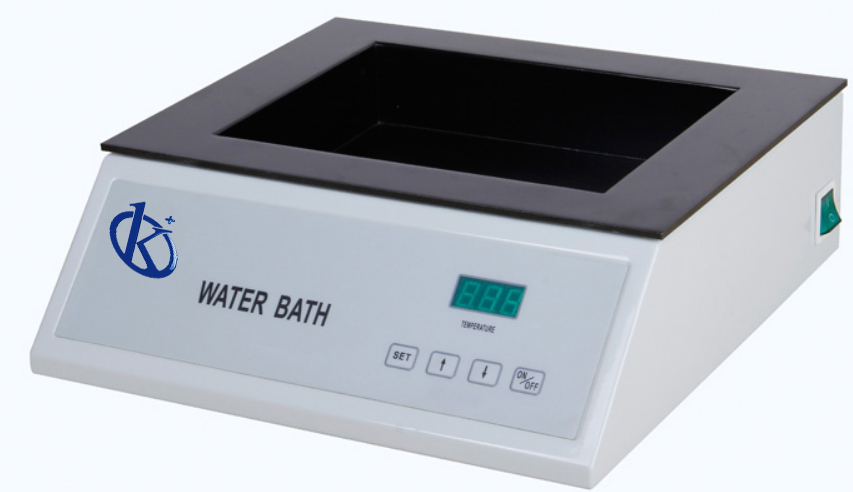
Ensuring Biosafety and Safe Operator Handling in Tissue Water Baths
The use of tissue water baths is essential in pathological anatomy laboratories, particularly when handling delicate samples that require precise temperature control. However, operator safety and biosafety protocols are critically important to avoid accidents and ensure compliance with health regulations. This article will explore best practices, regulatory compliance, and compare models to help laboratory professionals create a secure and effective working environment.
Importance of Biosafety Protocols in Laboratory Settings
Biosafety protocols are structured measures designed to protect laboratory personnel and the surrounding environment from potential hazards, including biological agents and hazardous materials. In the context of tissue water baths, these protocols must account for the temperature control and sample handling procedures, as high temperatures can pose risks if not managed correctly. Implementing effective biosafety protocols not only safeguards the health of operators but also ensures the integrity of lab results.
Key Biosafety Regulations and Standards
Understanding and complying with key biosafety regulations is crucial for laboratory operations. Relevant standards include guidelines from the Centers for Disease Control and Prevention (CDC) and the World Health Organization (WHO). The biosafety levels (BSL) provide specific recommendations based on the risk level of the materials handled. For instance, BSL-2 is appropriate for labs handling moderate-risk microorganisms, which may be applicable when using tissue water baths for certain biological samples. Compliance with these regulations ensures that laboratories operate within the safety framework required by health authorities.
Choosing the Right Tissue Water Bath for Safety
When selecting a tissue water bath, it is essential to consider models that incorporate safety features aimed at reducing risks. For example, models like the Water Bath YR449 and YR451 are equipped with automated temperature controls and memory functions that help maintain consistent heating, thereby reducing operator errors. These features also facilitate compliance with biosafety protocols by ensuring that temperature readings are accurate and monitored continuously.
Comparison of Available Models
| Model | Temperature Range | Power Consumption | Weight | Best for |
|---|---|---|---|---|
| YR449 | RT to 90 ℃ | 200W | 5 kg | High-precision tasks |
| YR451 | 0 - 85 ℃ | 400W | 9 kg | Real-time temperature monitoring |
| YR452 | RT - 75 ℃ | 500W | 9 kg | Versatile sample preparation |
Common Mistakes and How to Avoid Them
Laboratory professionals often make mistakes when operating tissue water baths, which can lead to safety hazards and compromised results. Common mistakes include failing to regularly calibrate equipment, neglecting to maintain proper water levels, and disregarding temperature accuracy. To avoid these errors, implement a routine maintenance schedule, conduct regular training for operators, and ensure that all equipment is calibrated according to manufacturer recommendations.
Best Practices for Operator Safety
Operator safety is paramount when working with any laboratory equipment. To enhance safety when using tissue water baths, it is essential to adopt personal protective equipment (PPE) such as gloves, lab coats, and goggles. Additionally, implementing standard operating procedures (SOPs) that outline the steps for safe operation can greatly reduce the risk of accidents. Ensuring that all operators are trained in emergency procedures and the proper use of equipment is critical for maintaining a safe laboratory environment.
Energy Efficiency and Sustainability in Laboratory Practices
Using energy-efficient tissue water baths not only reduces operational costs but also supports sustainability initiatives in laboratories. Models such as YR449 and YR451 feature advanced heating elements designed for quick heating and energy conservation. Monitoring energy usage can lead to adjustments in laboratory procedures that further promote sustainability, such as optimizing sample processing times and reducing standby energy consumption.
Frequently Asked Questions
What are the recommended biosafety practices for using tissue water baths?
Effective biosafety practices include regular equipment calibration, adherence to BSL guidelines, and ensuring the use of personal protective equipment (PPE). Models like the YR451, with real-time temperature monitoring, help maintain safe operating conditions.
How can tissue water baths contribute to compliance with laboratory safety standards?
Tissue water baths help maintain temperature stability, which is essential for compliance with safety standards such as those from the CDC. Models like YR449 ensure accurate temperature management, aiding in meeting regulatory requirements.
What is the best way to maintain operator safety when using tissue water baths?
Operator safety can be maintained by using PPE, conducting regular training, and following established SOPs. Utilizing models like YR452, which offer automated functions, can enhance safety by reducing manual handling.
Which features should I look for in a tissue water bath for enhanced safety?
Look for models with automated controls, temperature accuracy, and user-friendly interfaces. The YR451 offers a digital display for real-time monitoring, which greatly enhances safety during operation.
How does the temperature control in tissue water baths affect laboratory safety?
Accurate temperature control is vital to prevent overheating or underheating samples, which can be hazardous. Models like YR449 are designed with precise temperature settings to enhance safety and operational reliability.
How can I measure the energy efficiency of my tissue water bath?
Energy efficiency can be measured by monitoring power consumption during operation. Models such as YR451 are designed for efficiency, allowing comparisons of energy usage and identifying areas for cost savings.
What common mistakes should be avoided when operating a tissue water bath?
Common mistakes include overlooking calibration checks and improper water levels. Utilizing models like YR452 can help minimize these mistakes through automatic monitoring features.
How can I ensure compliance with biosafety standards when using tissue water baths?
To ensure compliance, utilize models that offer precise temperature controls and follow all manufacturer guidelines. Regular training and updates on biosafety regulations are equally important.
If you are looking for a fusion of innovation and quality, you have come to the right place. At Kalstein, we offer you the luxury of exploring our exclusive catalog of laboratory equipment. We manufacture every device to the highest standards of excellence. Our intuitive and seamless online purchasing channels are designed for your convenience, securing the most competitive prices. Hesitate no longer — we bring science to life, it is time to become part of our community.