How to Ensure Biosafety and Safe Operator Handling with Water Baths
In laboratory environments, particularly those dealing with biological materials, ensuring biosafety and safe operator handling is crucial. This article focuses on the importance of biosafety protocols in the use of water baths, highlighting key practices and considerations for laboratory professionals. The significance of this focus cannot be understated – the effective implementation of safety measures not only protects personnel but also enhances the quality and reliability of laboratory results.
Understanding Biosafety Levels in Laboratories
Biosafety levels (BSL) are a set of biocontainment precautions required to isolate dangerous biological agents in an enclosed laboratory facility. The BSL levels, ranging from 1 to 4, dictate the safety protocols and equipment required to handle biological materials safely. Level 1 is suitable for work with well-characterized agents not known to consistently cause disease in healthy humans, whereas Level 4 is for the most dangerous and exotic agents posing a high risk of aerosol-transmitted lab infections. Laboratories utilizing water baths must adhere to the appropriate BSL and implement corresponding measures to safeguard against contamination and exposure.
Key Safety Protocols for Operating Water Baths
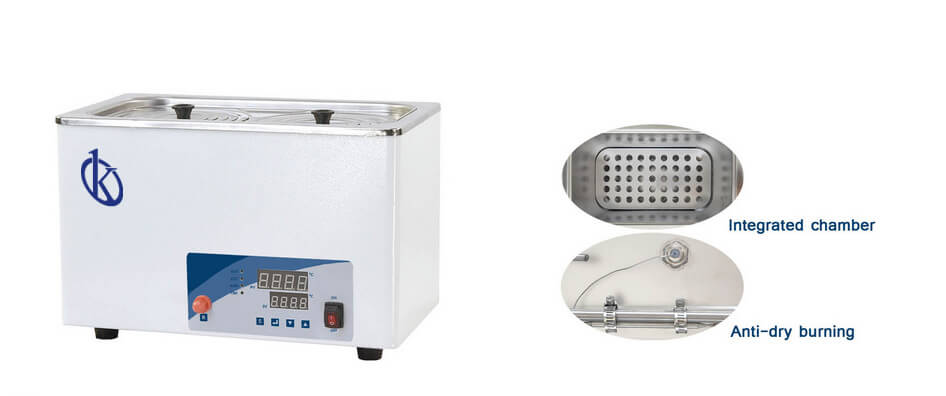
To ensure the safe operation of water baths, laboratory professionals must follow critical safety protocols. This includes using personal protective equipment (PPE), maintaining a clean workspace, and understanding the specific risks associated with the materials being processed. For instance, when using the Water Bath YR05073, which is equipped with triple safety protections, operators should ensure that the equipment is regularly inspected for damage and that all safety features are functional.
Utilizing Personal Protective Equipment (PPE)
PPE is essential in laboratory settings to minimize exposure to hazardous materials. When using water baths, laboratory personnel should wear appropriate PPE such as gloves, goggles, lab coats, and face shields as necessary. The level of PPE required may depend on the specific biosafety level of the laboratory and the nature of the samples being handled. For example, when working with potentially infectious agents in a water bath, it is crucial to ensure that staff are adequately protected to prevent contamination.
Decontamination Protocols for Water Baths
Implementing effective decontamination protocols is vital for maintaining a safe laboratory environment. After completing experiments with biological materials, water baths should be properly decontaminated using suitable disinfectants. For example, the surfaces of the Water Bath YR05074 should be wiped down post-use to eliminate any potential pathogens. Additionally, operators should be trained in the proper decontamination procedures associated with various materials to prevent cross-contamination.
Risk Assessment and Management in Laboratory Settings
Conducting a thorough risk assessment is an integral part of laboratory safety protocols. This involves identifying potential hazards associated with water baths, such as spills, aerosols, or equipment failure. Laboratory managers should compile risk matrices that detail the likelihood and severity of different risks, allowing for informed decision-making. Using models like the Water Bath Shaker YR030L, which features a quiet operation and stable motor, can minimize operational risks in high-throughput environments.
Comparison of Available Models
| Model | Temperature Range | Safety Features | Best For | Price (USD) |
|---|---|---|---|---|
| YR05073 | RT +5~100 °C | Triple safety protection | General laboratory use | 67.00 |
| YR05074 | RT +5~100 °C | Triple safety protection | General laboratory use | 80.00 |
| YR030L | RT~100 °C | High-precision control | Biological research | 602.00 |
| YR05001 | -35-200 °C | Overheat protection | Reactor cooling | 1974.00 |
| YR05002 | -35-200 °C | Overheat protection | Reactor cooling | 2646.00 |
| YR05003 | -35-200 °C | Overheat protection | Reactor cooling | 2982.00 |
Common Mistakes and How to Avoid Them
Laboratory professionals often make several common mistakes when using water baths that can compromise safety and efficiency. One major mistake is neglecting routine maintenance and calibration of water baths, which can lead to inaccurate temperature readings. Another frequent oversight is failing to adhere to decontamination protocols after experimenting with biological agents. To avoid these pitfalls, it is essential to establish standard operating procedures (SOPs) for regular maintenance, temperature verification, and thorough cleaning after each use.
Frequently Asked Questions
What are the biosafety protocols for using water baths in laboratories?
Biosafety protocols for using water baths include wearing appropriate PPE, adhering to decontamination procedures, and conducting risk assessments. For example, when using the Water Bath YR05073, operators must ensure that safety features are functional to prevent accidents.
How can I ensure operator safety when handling water baths?
Operator safety can be ensured by implementing strict usage protocols, including wearing PPE and conducting regular equipment checks. Models like the Water Bath YR05074 also provide advanced safety features that contribute to a safer working environment.
Which water bath model is best for high-throughput biological experiments?
The Water Bath Shaker YR030L is ideal for high-throughput biological experiments, featuring high-precision control and a robust design that minimizes operational risks in busy laboratory settings.
What safety features should I look for in a laboratory water bath?
When selecting a laboratory water bath, look for safety features such as overheat protection, alarm systems, and built-in decontamination protocols. The Water Bath YR05073 is a great example with its triple safety protections.
How often should water baths be maintained for optimal performance?
Water baths should be maintained regularly, ideally at least once a month or before significant experiments, to ensure optimal performance. This includes checking temperature accuracy and cleaning, especially after using the Water Bath YR05074.
What are the risks associated with using water baths for biological testing?
Risks include contamination, improper temperature regulation, and exposure to hazardous materials. It is essential to follow strict biosafety protocols to mitigate these risks when using any water bath model, particularly in sensitive experiments.
How do I choose the right water bath for my laboratory's needs?
Choosing the right water bath involves assessing temperature range, safety features, and specific application requirements. For instance, the Water Bath Shaker YR030L is well-suited for biological research due to its precise control features.
What are effective decontamination protocols for water baths?
Effective decontamination protocols involve using appropriate disinfectants post-experiment, ensuring thorough cleaning of all surfaces. For example, after using the Water Bath YR05073, operators should follow established procedures to remove any contamination risks.
If you are looking for a fusion of innovation and quality, you have come to the right place. At Kalstein, we offer you the luxury of exploring our exclusive catalog of laboratory equipment. We manufacture every device to the highest standards of excellence. Our intuitive and seamless online purchasing channels are designed for your convenience, securing the most competitive prices. Hesitate no longer — we bring science to life, it is time to become part of our community.