Blood Bank Refrigerators: Practical Applications and Techniques 2026
What is it used for in 2026
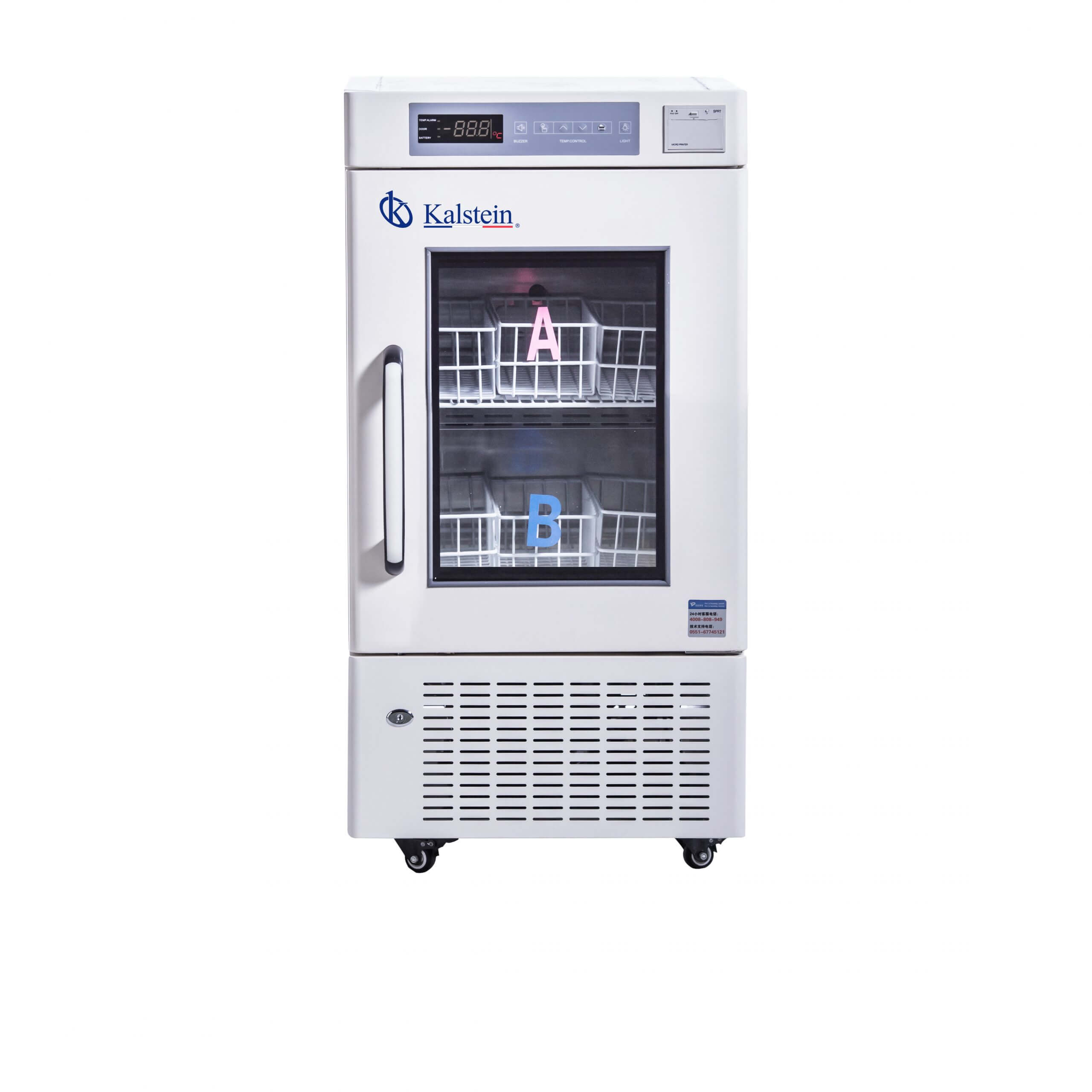
In 2026, Blood Bank Refrigerators are critical for the preservation of blood and blood components at stable temperatures, ensuring their viability for transfusions and medical procedures. These refrigerators are designed to maintain a temperature range of 2-6 °C, which is essential for the safe storage of blood products. They are utilized in hospitals, blood banks, and research facilities for storing whole blood, red cells, plasma, and platelets. Their advanced features, including digital temperature displays and automatic defrost systems, help lab professionals monitor and manage the integrity of stored products effectively.
History and evolution of the technology
The technology behind Blood Bank Refrigerators has evolved significantly over the past decades. Initially, blood storage relied on simple refrigeration techniques, often leading to temperature fluctuations that could compromise blood quality. As the demand for safe blood storage grew, manufacturers began incorporating microprocessor-controlled cooling systems that provide consistent and reliable temperature control. Innovations such as automatic defrosting mechanisms and high-tech sensors have made these refrigerators indispensable in modern medical settings, allowing for enhanced monitoring and maintenance of blood products.
How to use it step by step
Using a Blood Bank Refrigerator effectively involves several key steps:
- Ensure Proper Setup: Place the refrigerator in a location with stable ambient temperatures (10-32 °C) and ensure it is level.
- Power On: Connect the refrigerator to the power supply and switch it on.
- Set Temperature: Use the digital display to set the desired temperature range (2-6 °C).
- Load Blood Products: Organize and load blood bags or products, ensuring proper airflow around each item for optimal cooling.
- Monitor Temperature: Regularly check the digital display and any alarms for temperature fluctuations.
- Documentation: Maintain records of temperature readings and any incidents for compliance with regulations.
- Perform Routine Checks: Regularly inspect the refrigerator for cleanliness and functionality, addressing any issues promptly.
Best techniques and protocols
For optimal use of Blood Bank Refrigerators, follow these best practices and protocols:
- Utilize the refrigerator for blood products only, avoiding storage of non-blood items to prevent contamination.
- Implement a first-in, first-out (FIFO) system to ensure older stock is used before newer supplies.
- Conduct regular maintenance checks and calibrate temperature sensors as per manufacturer guidelines.
- Train staff on emergency protocols in case of power failure or temperature alarms.
- Ensure that all blood products are properly labeled and documented for traceability.
Practical applications by laboratory type
Blood Bank Refrigerators are utilized across various laboratory types, including:
- Hospitals: Storing blood for surgeries and transfusions.
- Blood Donation Centers: Preserving donated blood until it is processed and distributed.
- Research Laboratories: Maintaining samples for clinical studies and experiments involving blood components.
Regulations, standards and certifications
Compliance with regulations such as the FDA's guidelines for blood banks and the AABB (American Association of Blood Banks) standards is essential. Blood Bank Refrigerators must meet specific criteria, including temperature control, alarm systems, and regular maintenance schedules, to ensure safe storage practices. Certifications from recognized bodies can enhance the credibility and reliability of the equipment.
Comparison with alternative technologies
While Blood Bank Refrigerators are specialized for blood storage, alternative technologies include cryogenic freezers and conventional refrigerators. Cryogenic freezers are ideal for long-term storage of blood products at very low temperatures, while conventional refrigerators may not maintain the specific conditions required for blood preservation. When choosing between these technologies, the specific needs of the laboratory and the types of products being stored should be considered.
Comparison of available models
| Model | Best for | Key specs | Recommended use case |
|---|---|---|---|
| YR05091 | General blood storage | Temperature: 2-6 °C, Energy Consumption: 1.95 kWh/24h | Ideal for small blood banks and hospitals. |
| YR05092 | Medium capacity storage | Temperature: 2-6 °C, Energy Consumption: 2.22 kWh/24h | Suitable for larger hospitals requiring more storage. |
| YR05094 | High volume blood storage | Temperature: 2-6 °C, Energy Consumption: 6.31 kWh/24h | Best for large blood banks with high turnover. |
| YR05098 | Versatile blood storage | Temperature: -10 to -25 °C, Energy Consumption: 3.4 kWh/23h | Ideal for facilities requiring flexible storage solutions. |
| YR05292 | Dedicated blood storage | Temperature: 4±1 °C, Volume: 1008L | Perfect for long-term blood storage with high capacity. |
| YR05292-1 | Large scale operations | Temperature: 4±1 °C, Volume: 1008L | Best for large scale blood processing facilities. |
Common mistakes and how to avoid them
Common mistakes in using Blood Bank Refrigerators include:
- Improper Loading: Not allowing adequate airflow around stored items can lead to temperature inconsistencies. Always organize blood bags to ensure proper ventilation.
- Neglecting Maintenance: Failing to perform regular maintenance can result in malfunction. Follow a strict maintenance schedule.
- Ignoring Alarms: Disregarding temperature alarms can compromise product safety. Train staff to respond promptly to alarms.
Maintenance, calibration and good practices 2026
Regular maintenance of Blood Bank Refrigerators is vital to ensure optimal performance. Best practices include:
- Calibrating temperature sensors at recommended intervals to ensure accuracy.
- Cleaning the interior regularly to prevent contamination.
- Monitoring power supply and backup systems to mitigate risks during outages.
Cost-benefit analysis 2026
Investing in a Blood Bank Refrigerator can yield significant benefits, including:
- Enhanced safety of blood products, reducing the risk of spoilage.
- Improved efficiency in blood management, leading to better patient outcomes.
- The potential for cost savings through reduced wastage and increased storage capacity.
Frequently asked questions
What temperature should a Blood Bank Refrigerator maintain?
A Blood Bank Refrigerator should maintain a temperature range of 2-6 °C to ensure the safety and viability of blood products.
How often should I check the temperature of the Blood Bank Refrigerator?
It is recommended to check the temperature at least once daily, and more frequently if alarms indicate fluctuations.
Can I store other items in a Blood Bank Refrigerator?
It is best to store only blood products and related items to avoid contamination and ensure proper temperature management.
What features should I look for in a Blood Bank Refrigerator?
Look for features such as digital temperature displays, automatic defrost, alarm systems, and reliable cooling technology when selecting a Blood Bank Refrigerator.
What should I do if the temperature alarm goes off?
Immediately check the refrigerator for any visible issues, document the incident, and take corrective actions as necessary to maintain product integrity.
How can I ensure my Blood Bank Refrigerator is compliant with regulations?
Stay informed about local regulations and standards, conduct regular maintenance, and keep detailed documentation of temperature logs and equipment checks.
Where can I request a quote for a Blood Bank Refrigerator?
You can request a quote on various models of Blood Bank Refrigerators through our channels to find the right solution for your needs.
If you are looking for a fusion of innovation and quality, you have come to the right place. At Kalstein, we offer you the luxury of exploring our exclusive catalog of laboratory equipment. We manufacture every device to the highest standards of excellence. Our intuitive and seamless online purchasing channels are designed for your convenience, securing the most competitive prices. Hesitate no longer — we bring science to life, it is time to become part of our community.