Car Refractometers: Practical Applications and Techniques 2026
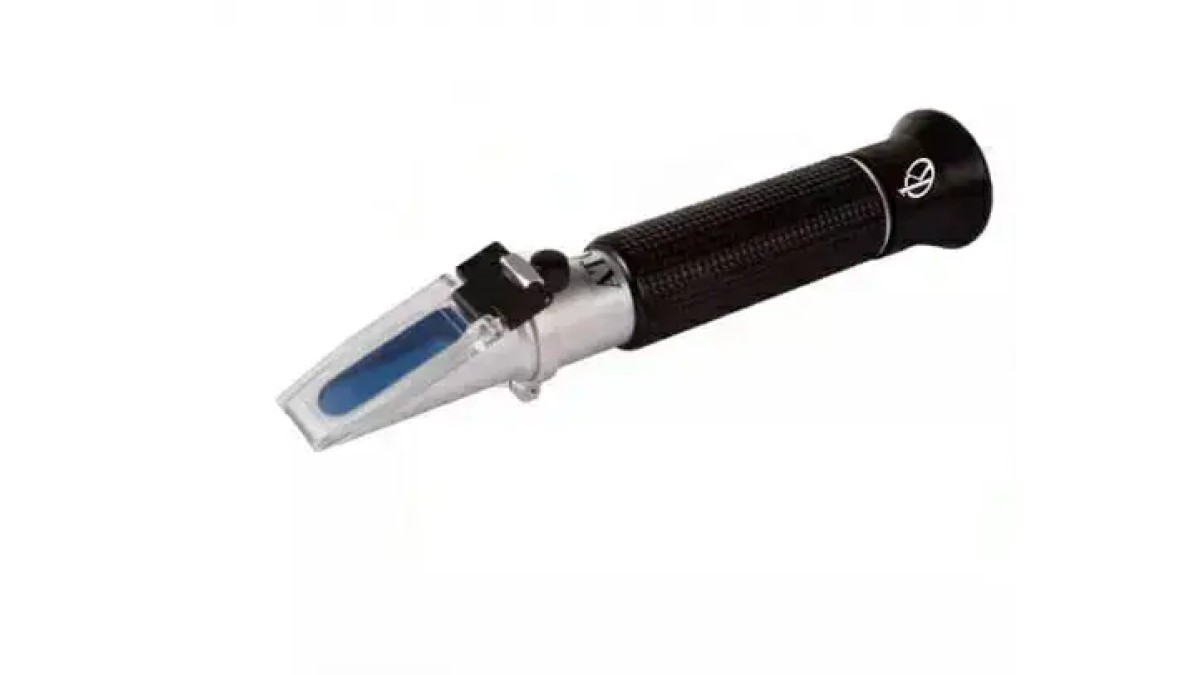
Car refractometers are essential tools for laboratory professionals working with automotive fluids. In 2026, understanding their applications, techniques, and best practices will enhance workflow efficiency. This guide provides a comprehensive overview of car refractometers, including operational steps, regulatory considerations, and a comparison of popular models.
What is it used for in 2026
In 2026, car refractometers are primarily used to measure the concentration of ethylene glycol and propylene glycol in antifreeze solutions. These devices facilitate the determination of freezing and boiling points of automotive fluids, ensuring vehicle safety and performance. They can also be used in checking windshield washer fluid concentrations, providing crucial data for maintaining vehicle functionality.
History and evolution of the technology
The technology behind refractometers dates back to the early 19th century, initially developed for scientific research. Over the years, refractometers have evolved significantly, with advancements in optical components and measurement accuracy. The advent of automatic temperature compensation (ATC) in the late 20th century marked a significant evolution, allowing for more precise measurements under varying conditions. Today, car refractometers integrate these advancements, enhancing their reliability and usability in automotive applications.
How to use it step by step
Using a car refractometer involves a series of straightforward steps to ensure accurate results:
- Preparation: Ensure the refractometer is clean and calibrated. Remove any residue from previous measurements.
- Sample Collection: Collect a small sample of the fluid you wish to test, ensuring it is representative of the entire batch.
- Measurement: Place a few drops of the sample on the refractometer’s prism. Close the cover to spread the liquid evenly.
- Read the Result: Look through the eyepiece and read the scale where the boundary between light and dark meets. Record the measurement.
- Cleaning: After use, thoroughly clean the prism with distilled water and dry it gently.
Best techniques and protocols
To achieve optimal results with car refractometers, consider the following best techniques and protocols:
- Always calibrate the refractometer before use with a standard solution.
- Perform measurements at room temperature to minimize variances caused by temperature fluctuations.
- Use a consistent technique for sample application to avoid discrepancies.
- Document readings accurately for future reference.
- Regularly maintain and service the device to ensure longevity and accuracy.
Practical applications by laboratory type
Car refractometers find applications in various laboratory settings:
- Automotive Repair Shops: For testing antifreeze concentrations to prevent engine damage.
- Manufacturing Plants: Used in quality control processes for automotive fluids.
- Research Laboratories: For experimental analysis of fluid properties and behaviors.
Regulations, standards and certifications
In the laboratory context, adherence to relevant regulations and standards is crucial. Car refractometers should comply with international standards such as ISO and ASTM for measurement accuracy. Regular calibration and certification by recognized bodies ensure that the devices meet these standards, providing confidence in test results and compliance with safety regulations.
Comparison with alternative technologies
While car refractometers are widely used, alternative technologies such as hydrometers and digital refractometers exist:
- Hydrometers: Measure density but are less accurate for specific fluid concentrations.
- Digital Refractometers: Offer greater ease of use and accuracy but may be more expensive.
- Comparative Advantage: Car refractometers provide a balance of cost efficiency and measurement accuracy, making them a preferred choice in many applications.
Comparison of available models
| Model | Best for | Key specs | Recommended use case |
|---|---|---|---|
| YR05916 | Testing antifreeze concentration | Range: -60°C to 0°C, Precision: ±0.01sg | Automotive workshops for coolant checks |
| YR05917 | Checking ethylene glycol levels | Range: -60°C to 0°C, Precision: ±0.01sg | Quality control in fluid manufacturing |
| YR05918 | Windshield washer fluid testing | Range: -60°F to 32°F, Precision: ±0.01sg | Service stations for vehicle maintenance |
| YR05919 | General antifreeze testing | Range: -60°C to 0°C, Precision: ±0.01sg | Laboratory research and analysis |
| YR05920 | Antifreeze and coolant analysis | Range: -60°C to 0°C, Precision: ±0.01sg | Automotive repair and diagnostics |
| YR05921 | Determining fluid properties | Range: -60°C to 0°C, Precision: ±0.01sg | Research and development labs |
Common mistakes and how to avoid them
To ensure accurate results with car refractometers, avoid the following common mistakes:
- Not calibrating the device regularly can lead to inaccurate readings.
- Failing to clean the prism properly may contaminate samples.
- Reading errors can occur if the user does not align their line of sight correctly with the scale.
- Using samples that are too hot or too cold can affect viscosity and measurement.
Maintenance, calibration and good practices 2026
Regular maintenance is essential for optimal performance of car refractometers:
- Clean the prism after each use to prevent residue buildup.
- Calibrate the device monthly or after significant temperature changes.
- Store the refractometer in a protective case to avoid damage.
- Follow manufacturer guidelines for servicing and replacements.
Cost-benefit analysis 2026
In 2026, car refractometers present a favorable cost-benefit scenario:
- Initial investment is typically low compared to other testing devices.
- They provide quick and accurate results, reducing the time and labor costs associated with fluid testing.
- Regular use can prevent costly repairs by ensuring proper fluid conditions.
Frequently asked questions
What is the best way to clean a car refractometer?
Use distilled water and a soft cloth to clean the prism. Avoid using harsh chemicals that may damage the optical components.
How often should I calibrate my car refractometer?
It is recommended to calibrate the refractometer at least once a month or after any significant change in temperature or usage conditions.
Can I use a car refractometer for other types of fluids?
While car refractometers are specifically designed for automotive fluids, they can also be used for other similar fluids, provided the refractive index is within the measurement range of the device.
What should I do if my readings are inconsistent?
Check for proper calibration, ensure the prism is clean, and verify that the sample temperature is appropriate for the measurement.
Are there any safety precautions I should take?
Always wear gloves when handling automotive fluids, and ensure proper ventilation when performing tests to avoid exposure to harmful substances.
How do I know which model to choose?
Consider the specific applications you require, such as the range of fluids and temperature conditions, to select the most appropriate model for your needs.
If you are looking for a fusion of innovation and quality, you have come to the right place. At Kalstein, we offer you the luxury of exploring our exclusive catalog of laboratory equipment. We manufacture every device to the highest standards of excellence. Our intuitive and seamless online purchasing channels are designed for your convenience, securing the most competitive prices. Hesitate no longer — we bring science to life, it is time to become part of our community.