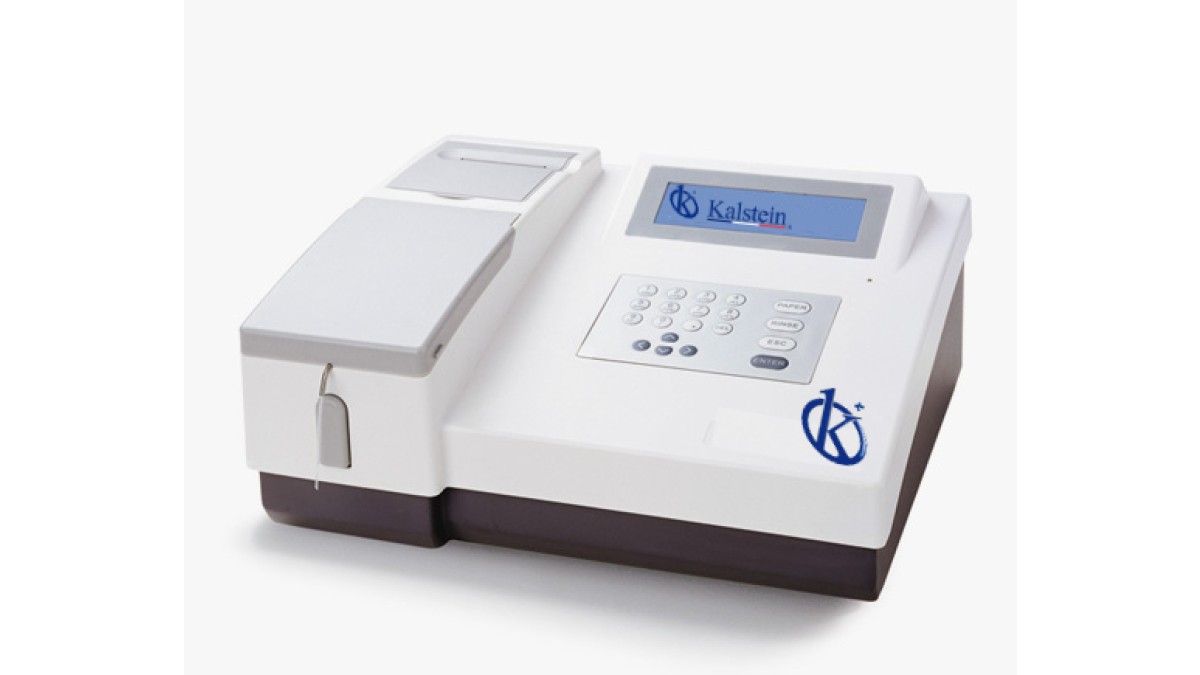
Chemical Analyzers: Practical Applications and Techniques 2026
Chemical analyzers play a pivotal role in modern clinical and hospital laboratories, providing essential data for diagnosing health conditions and monitoring patient health. This article delves into the applications, history, operational techniques, and practical workflows associated with chemical analyzers.
What is it used for in 2026
In 2026, chemical analyzers are primarily utilized for the quantitative and qualitative analysis of various chemical components in biological samples. These devices are capable of performing multiple assays, including but not limited to liver function tests, renal function evaluations, and lipid profiling. The accuracy and efficiency of chemical analyzers streamline laboratory processes, allowing for quicker diagnosis and patient management.
History and evolution of the technology
The evolution of chemical analyzers traces back to the early 20th century, with significant advancements occurring in the 1960s with the introduction of automated systems. Over the decades, technology has progressed from manual methods to semi-automatic and fully automatic analyzers, improving speed, accuracy, and overall efficiency. Modern chemical analyzers leverage advanced optics and software for real-time data processing and analysis, ensuring reliable results in clinical environments.
How to use it step by step
Using a chemical analyzer involves several critical steps that ensure accurate results:
- Preparation: Collect and prepare the biological samples as per laboratory protocols.
- Calibration: Calibrate the analyzer using standard solutions to ensure accuracy.
- Sample Loading: Load the prepared samples into the analyzer according to the manufacturer's instructions.
- Running the Assays: Select the desired assay protocols on the analyzer's interface.
- Data Collection: Monitor the analysis process and collect data once complete.
- Result Interpretation: Review and interpret the results, comparing them against reference ranges.
- Documentation: Document the results and any necessary actions taken based on the findings.
Best techniques and protocols
To achieve the best outcomes while using chemical analyzers, laboratories should follow established protocols:
- Utilize control materials regularly to confirm the accuracy of results.
- Implement a systematic approach to troubleshooting common issues during assays.
- Regularly review and update standard operating procedures (SOPs).
- Ensure all personnel are trained on the specific models being used.
Practical applications by laboratory type
Different laboratory settings utilize chemical analyzers for various applications:
- Clinical Laboratories: Focus on performing routine blood tests for metabolic and hepatic panels.
- Research Laboratories: Analyze samples for experimental drugs and biochemical markers.
- Hospital Settings: Conduct rapid testing for emergency cases and ongoing patient monitoring.
Regulations, standards and certifications
Compliance with regulations and standards is crucial for laboratories utilizing chemical analyzers. Important certifications include:
- ISO 15189: Specifies requirements for quality and competence in medical laboratories.
- CLIA: Clinical Laboratory Improvement Amendments ensure laboratory testing accuracy.
- FDA Approvals: Manufacturers must ensure that devices meet safety and effectiveness standards.
Comparison with alternative technologies
While chemical analyzers are widely used, alternative technologies exist:
- Mass Spectrometry: Offers higher specificity and sensitivity but is more complex and costly.
- Immunoassays: Useful for detecting specific proteins but may lack the broad range of testing capabilities.
- Spectrophotometry: A simpler method for certain assays but lacks automation and efficiency.
Comparison of available models
| Model | Best for | Key specs | Recommended use case |
|---|---|---|---|
| YR05115 | General chemistry assays | 5-inch color touch screen, 80 preprogrammed tests, 10,000 results memory | Routine laboratory testing with varying sample volume |
| YR05114 | General chemistry assays | 5-inch touch screen, 5 wavelengths, 10,000 results memory | Clinical testing for liver and renal functions |
| YR06092 | Portable analysis | Adjustable temperature, compact design, LCD display | Field testing and mobile laboratories |
| YR06075 | High-throughput testing | 560 tests/hour, 12 wavelengths, automated cleaning | High demand laboratory environments |
| YR05116 | Flexible analysis | Windows OS, continuous wavelength adjustment | Customized testing scenarios |
| YR06078 | Comprehensive testing | 7 wavelengths, 10,000 results memory, RS-232 interface | General clinical diagnostics with specific assay needs |
Common mistakes and how to avoid them
To ensure the effective use of chemical analyzers, laboratories should be aware of common pitfalls:
- Improper Calibration: Regularly calibrate the equipment to prevent inaccurate results.
- Neglecting Maintenance: Adhere to maintenance schedules to ensure optimal performance.
- Insufficient Training: Provide comprehensive training to all users to minimize operational errors.
Maintenance, calibration and good practices 2026
Maintenance and calibration are vital for the longevity and performance of chemical analyzers:
- Establish a routine maintenance protocol based on the manufacturer's recommendations.
- Regularly check and replace worn components, such as lamps and sample cells.
- Ensure that calibration is performed using certified standards to maintain accuracy.
Cost-benefit analysis 2026
When considering the investment in chemical analyzers, a cost-benefit analysis can be beneficial:
- Analyze the upfront costs versus long-term savings from increased efficiency.
- Consider the reduction in labor costs due to automation.
- Evaluate the impact of accurate results on patient care and satisfaction.
Frequently asked questions
What should I consider when choosing a chemical analyzer?
When selecting a chemical analyzer, consider factors such as the volume of tests needed, types of assays, budget, and whether you require portability or automation.
How often should I calibrate my chemical analyzer?
Calibration frequency can depend on usage and manufacturer recommendations, but it is advisable to calibrate daily or before critical tests.
What are the benefits of using an automated chemical analyzer?
Automated chemical analyzers increase throughput, reduce human error, and provide consistent results, making them ideal for busy laboratory environments.
Can I use different reagents with my chemical analyzer?
Many chemical analyzers operate on an open system, allowing the use of various reagents; however, it is important to ensure compatibility for accurate results.
How do I troubleshoot common issues with chemical analyzers?
Common troubleshooting steps include checking for sample clogs, ensuring proper calibration, and reviewing error codes in the device's manual to address specific issues.
What is the expected lifespan of a chemical analyzer?
The lifespan of a chemical analyzer can range from 5 to 10 years, depending on usage, maintenance practices, and technological advancements.
How can I ensure the quality of results from my chemical analyzer?
To ensure quality results, regularly calibrate the device, use control samples, and adhere to established protocols and SOPs.
If you are looking for a fusion of innovation and quality, you have come to the right place. At Kalstein, we offer you the luxury of exploring our exclusive catalog of laboratory equipment. We manufacture every device to the highest standards of excellence. Our intuitive and seamless online purchasing channels are designed for your convenience, securing the most competitive prices. Hesitate no longer — we bring science to life, it is time to become part of our community.