Chemiluminescence Consumables: Practical Step-by-Step Usage Guide 2026
What is it used for in 2026
Chemiluminescence consumables are essential components in clinical diagnostics, specifically in immunoassays that utilize chemiluminescent reactions. In 2026, these consumables are widely employed in various laboratory settings, including hospitals and diagnostic laboratories, for their efficiency in providing accurate and rapid results. They are utilized in tests for hormone levels, disease markers, and various analytes crucial for patient diagnosis and treatment monitoring.
History and evolution of the technology
The technology of chemiluminescence has evolved significantly since its introduction. Initially used in basic laboratory settings, its application has expanded dramatically with advances in detection methods and reagents. The development of specific substrates and washing solutions has enhanced the sensitivity and specificity of tests, leading to reliable and reproducible results in diagnostics. Today, chemiluminescent assays are a backbone of clinical laboratory testing.
How to use it step by step
Using chemiluminescence consumables effectively involves several key steps:
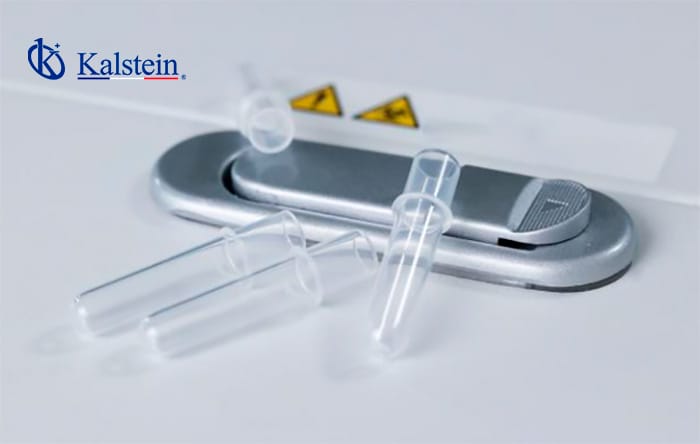
- Preparation: Gather all required consumables, including the reaction cuvettes, washing solutions, and substrates. Ensure all reagents are at the recommended temperatures and conditions.
- Calibration: Calibrate your analyzer before running any tests to ensure accurate measurements.
- Sample Addition: Introduce the samples into the reaction cuvettes and add the necessary reagents as per the specific assay protocol.
- Incubation: Allow the samples to incubate for the specified time, ensuring the conditions are maintained throughout.
- Detection: Use the chemiluminescent reader to measure the luminescence emitted by the reactions, which corresponds to the analyte concentration.
- Data Analysis: Analyze the results against standard curves to determine concentrations, and document findings accurately.
Best techniques and protocols
To ensure optimal results while using chemiluminescence consumables, it is crucial to adhere to established protocols, which include:
- Consistent Temperature Control: Maintain all reagents within the specified temperature range to prevent degradation.
- Proper Dilution: Follow recommended dilution factors for samples and reagents as specified in the protocols.
- Minimizing Contamination: Use clean pipetting techniques and avoid cross-contamination to ensure the integrity of test results.
- Quality Control: Regularly run quality control samples to verify that the assay is performing within acceptable limits.
Practical applications by laboratory type
Chemiluminescence consumables have diverse applications across various laboratory types:
Clinical Laboratories:
Used for hormone assays, infectious disease testing, and tumor markers.
Research Laboratories:
Facilitates research in biochemistry and molecular biology, allowing for the detection of proteins and nucleic acids.
Point of Care Testing:
Offers rapid results for critical care settings, assisting in immediate clinical decision-making.
Regulations, standards and certifications
Chemiluminescence consumables must comply with rigorous regulatory standards, including:
- CE Certification: Ensures products meet European Union safety and performance requirements.
- ISO 13485: Indicates compliance with international standards for medical device quality management systems.
Comparison with alternative technologies
While chemiluminescence is a powerful tool in diagnostics, alternative technologies such as ELISA and fluorescence assays are also available. Chemiluminescence offers advantages in sensitivity and dynamic range compared to ELISA, while fluorescence assays may provide faster results but can lack the same level of sensitivity.
Comparison of available models
| Model | Best for | Key specs | Recommended use case |
|---|---|---|---|
| YRA400 | Reaction cuvettes for CLIA analyzers | 1000 pcs/bag, CE certified | General laboratory use in chemiluminescent assays |
| YRA401 | Washing solution for clinical immunoassay analyzers | 500 ml/bottle, 300 tests/bottle | Ensuring reagent separation and cleaning in CLIA systems |
| YRA402 | Substrate for CLIA analyzers | 100 ml/bottle, 500 tests | Quantitative detection in immunoassays |
| YRA404 | POCT consumables for early pregnancy testing | 24 tests/box, includes magnetic microspheres | Diagnosis and monitoring in pregnancy |
Common mistakes and how to avoid them
Laboratories often encounter mistakes when using chemiluminescence consumables. To avoid these pitfalls:
- Ensure Proper Storage: Always store reagents as specified to avoid degradation.
- Avoid Over-Dilution: Follow the recommended dilution guidelines to maintain assay sensitivity.
- Check Expiration Dates: Regularly verify the expiration dates of all consumables to ensure reliability.
Maintenance, calibration and good practices 2026
Maintaining chemiluminescence equipment involves:
- Regular Calibration: Perform calibration before each batch of tests.
- Routine Cleaning: Clean equipment and workspace regularly to prevent contamination.
- Documentation: Keep accurate records of all maintenance activities and calibration dates.
Cost-benefit analysis 2026
The cost of chemiluminescence consumables can be justified through their efficiency and reliability. With lower reagent volumes and faster turnaround times, laboratories can increase throughput and reduce operational costs while maintaining high-quality results.
Frequently asked questions
What are chemiluminescence consumables best used for?
Chemiluminescence consumables are best used for various clinical tests, including hormone assays and disease marker detection.
How do I choose the right model for my laboratory?
Select a model based on your testing needs, such as the volume of assays required and the specific analytes being measured.
What precautions should I take when using these consumables?
Ensure proper storage, avoid cross-contamination, and follow dilution protocols to maintain assay integrity.
Can chemiluminescence replace other testing methods?
Chemiluminescence offers advantages in sensitivity and specificity, making it a superior alternative for many assays compared to traditional methods.
How often should I calibrate my chemiluminescence analyzer?
Calibration should be performed before each batch of tests to ensure accurate results.
What are the major benefits of using chemiluminescence in labs?
The major benefits include greater sensitivity, faster results, and the ability to process multiple samples simultaneously.
If you are looking for a fusion of innovation and quality, you have come to the right place. At Kalstein, we offer you the luxury of exploring our exclusive catalog of laboratory equipment. We manufacture every device to the highest standards of excellence. Our intuitive and seamless online purchasing channels are designed for your convenience, securing the most competitive prices. Hesitate no longer — we bring science to life, it is time to become part of our community.