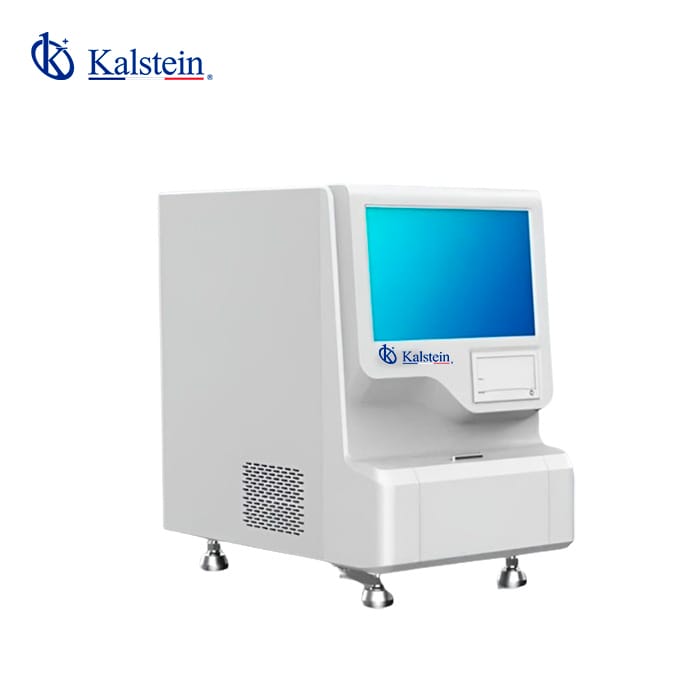
Chemiluminescence Immunoassay Analyzers: Practical Applications and Techniques 2026
What is it used for in 2026
Chemiluminescence Immunoassay Analyzers are crucial in clinical laboratories for detecting a variety of biomarkers, hormones, and antibodies in biological samples. In 2026, these analyzers are known for their rapid processing capabilities, high sensitivity, and accuracy, making them indispensable for diagnosing diseases, monitoring health conditions, and facilitating research in the medical field.
History and evolution of the technology
The development of chemiluminescent assays dates back to the early 1980s when scientists began exploring light-emitting chemical reactions. Over the years, technological advancements have led to the creation of highly automated, efficient, and precise analyzers. By 2026, the integration of modern software, magnetic separation techniques, and advanced reagents has further refined the performance of these analyzers, allowing for enhanced user experience and reliable results.
How to use it step by step
Using Chemiluminescence Immunoassay Analyzers involves several key steps:
- Preparation of samples: Ensure all samples are properly collected and stored according to protocol.
- Calibration of the analyzer: Input calibration settings and ensure the device is up to date with the latest software.
- Sample loading: Load samples into the analyzer, ensuring that they are properly placed to avoid contamination.
- Running the assay: Begin the assay program, monitoring the process through the touchscreen interface.
- Data analysis: Once results are generated, analyze the data using the software tools provided by the analyzer.
- Result interpretation: Interpret the results in the context of clinical guidelines and patient history.
- Documentation: Record results and store data securely for future reference and compliance.
Best techniques and protocols
To maximize the performance of Chemiluminescence Immunoassay Analyzers, adhere to the following techniques and protocols:
- Follow manufacturer guidelines for reagent use and sample handling.
- Maintain a clean workspace to prevent cross-contamination.
- Conduct regular calibration and quality control checks.
- Utilize a standardized operating procedure (SOP) for all assays.
- Train all personnel on proper usage techniques and safety protocols.
Practical applications by laboratory type
Chemiluminescence Immunoassay Analyzers find applications across various laboratory types:
- Clinical Laboratories: Used for routine tests like hormone levels, infectious disease markers, and vitamin deficiencies.
- Research Laboratories: Assist in assays that evaluate new drugs and disease mechanisms.
- Emergency Departments: Facilitate rapid testing for critical conditions, improving patient outcomes.
- Primary Care Labs: Enable quick diagnostic tests, reducing the burden on centralized laboratories.
Regulations, standards and certifications
Chemiluminescence Immunoassay Analyzers must comply with various regulations to ensure safety and efficacy:
- ISO Standards: Ensure the device meets international quality and safety standards.
- FDA Approval: Required for devices used in clinical settings in the United States.
- CLIA Certification: Facilities must comply with Clinical Laboratory Improvement Amendments for laboratory testing.
Comparison with alternative technologies
When comparing Chemiluminescence Immunoassay Analyzers with alternative technologies such as ELISA and radioimmunoassay, several factors stand out:
- Speed: Chemiluminescence offers faster results compared to traditional ELISA methods.
- Sensitivity: It typically has higher sensitivity for low-abundance biomarkers than other methods.
- Automation: Most chemiluminescence systems are fully automated, reducing manual intervention.
Comparison of available models
| Model | Best for | Key specs | Recommended use case |
|---|---|---|---|
| YR06387 | High-throughput testing | Weight: 45 kg, Dimensions: 320mm x 550mm x 550mm, Price: $3500 | Clinical environments needing flexibility and accuracy |
| YR06388 | Emergency testing | Weight: 55 kg, Dimensions: 520mm x 550mm x 550mm, Price: $5000 | Labs requiring parallel testing capabilities |
| YR06389 | Fast result generation | Speed: 120T/h, Time: 15 min results, Price: $9000 | Outpatient inspection settings |
| YR06390 | High efficiency | Speed: 220T/h, Time: 15 min results, Price: $15000 | High-demand clinical diagnostics |
| YR06710 | Space-limited environments | Compact: 0.4 m², Price: $109 | Emergency departments and ICUs |
Common mistakes and how to avoid them
Common errors in using Chemiluminescence Immunoassay Analyzers include:
- Improper sample handling: Always follow protocols for sample collection and storage.
- Ignoring calibration: Regular calibration is essential for accurate results.
- Inconsistent data entry: Ensure all data is entered correctly to avoid misinterpretation.
Maintenance, calibration and good practices 2026
To ensure optimal performance of Chemiluminescence Immunoassay Analyzers, implement the following maintenance practices:
- Conduct routine cleaning of the equipment following the manufacturer's instructions.
- Schedule regular calibration sessions as per the device specifications.
- Keep detailed maintenance logs to monitor the equipment's performance over time.
Cost-benefit analysis 2026
Investing in Chemiluminescence Immunoassay Analyzers presents several benefits:
- Reduction in turnaround time enhances patient management.
- High sensitivity and specificity reduce the risk of false results.
- Automation reduces labor costs and increases throughput.
Frequently asked questions
What factors should I consider when choosing a chemiluminescence immunoassay analyzer?
Consider throughput, sample type compatibility, ease of use, and maintenance requirements when selecting a model.
How can I ensure accurate results using these analyzers?
Ensure regular calibration, follow proper protocols, and maintain a clean working environment to achieve reliable results.
What types of samples can be analyzed?
These analyzers can process various samples, including serum, plasma, and whole blood, depending on the reagents used.
How often should maintenance be performed?
Routine maintenance should be scheduled according to the manufacturer's recommendations, typically quarterly or biannually.
Are there specific training requirements for operating these analyzers?
Yes, personnel should receive training on device operation, safety protocols, and troubleshooting procedures.
What is the typical lifespan of these analyzers?
With proper maintenance, chemiluminescence immunoassay analyzers typically last between 5 to 10 years.
How can I request a quote for these analyzers?
You can easily request a quote through our dedicated channels by reaching out to our sales team for assistance.
If you are looking for a fusion of innovation and quality, you have come to the right place. At Kalstein, we offer you the luxury of exploring our exclusive catalog of laboratory equipment. We manufacture every device to the highest standards of excellence. Our intuitive and seamless online purchasing channels are designed for your convenience, securing the most competitive prices. Hesitate no longer — we bring science to life, it is time to become part of our community.