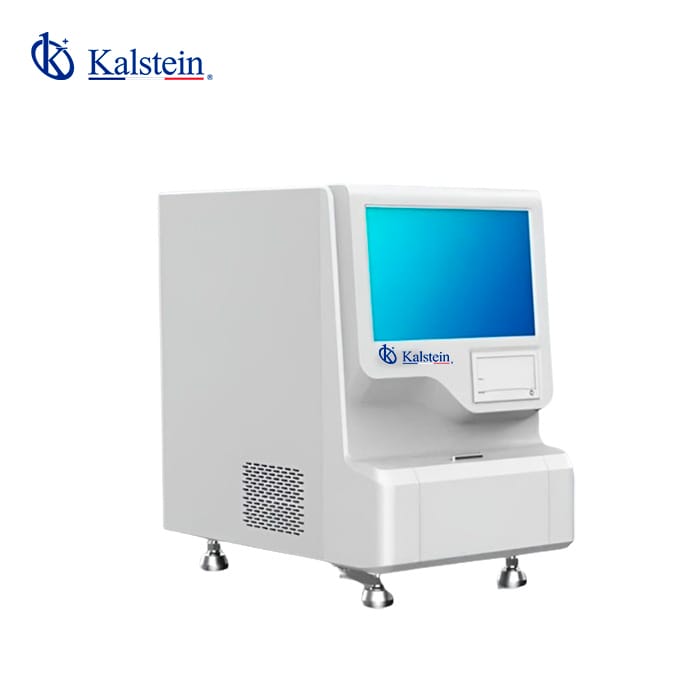
Chemiluminescent Immunoassay Analyzers in University Research: Applications and Benefits
Chemiluminescent immunoassay analyzers are pivotal in advancing academic research, particularly in biomedical fields. These devices offer rapid diagnostic capabilities, essential for university laboratories aiming to conduct extensive research projects. This article delves into the various applications of these analyzers within university research contexts, highlighting specific models and their operational efficiencies.
Understanding Chemiluminescent Immunoassay Analyzers
Chemiluminescent immunoassay (CLIA) analyzers utilize the principle of chemiluminescence for detecting specific proteins or antibodies in various sample types. These analyzers play a crucial role in clinical diagnostics and research settings by providing high sensitivity and specificity.
Applications in University Research
In university research, the application of chemiluminescent immunoassay analyzers ranges from clinical studies to basic research. They enable researchers to conduct assays on human plasma, serum, and urine with high throughput, making them ideal tools for projects requiring significant sample sizes.
Analyzing Disease Markers
Researchers utilize CLIA analyzers to study disease markers, such as hormones and infectious agents. For example, the Full-Automatic Chemiluminescent Immunoassay Analyzer YR06387 is particularly effective in environments requiring rapid testing, providing results in a timely manner, which is crucial for ongoing studies.
Enhanced Reproducibility in Research
One significant advantage of using these analyzers in academic settings is their ability to produce reproducible results. The Chemiluminescent Immunoassay Analyzer YR06388, with its double independent chambers for emergency functions, enhances accuracy and repeatability, which are vital for research validation.
Streamlining Workflow in Laboratories
Laboratories benefit from the automation features of analyzers, which reduce manual intervention. The Immunoassay Analyzer YR06389 excels in settings that require high throughput, processing up to 120 tests per hour while maintaining a quick turnaround time of 15 minutes per result.
Educational Opportunities and Training
University programs can integrate the use of CLIA analyzers into their curriculum, offering students hands-on experience with advanced laboratory technology. Research projects utilizing the Immunoassay Analyzer YR06390 can serve as practical learning platforms for students.
Cost-Effectiveness in Research Projects
Academic institutions often operate under budget constraints. The Chemiluminescence Analyzer YR06710, known for its compact design and efficient use of reagents, can be a cost-effective solution suitable for limited-space laboratories, ensuring optimal resource allocation.
Comparison of Available Models
| Model | Price (USD) | Throughput (tests/hour) | Key Features | Best Use Case |
|---|---|---|---|---|
| YR06387 | 3500.00 | Up to 80 | 8-channel, automated | Clinical diagnostics |
| YR06388 | 5000.00 | Up to 120 | 16-channel, dual chambers | Emergency testing |
| YR06389 | 9000.00 | 120 | Integrated incubation and detection | Outpatient settings |
| YR06390 | 15000.00 | 220 | Multiple operating modes | Research-intensive laboratories |
| YR06710 | 7500.00 | 1-12 | Space-efficient design | Emergency departments |
Common Mistakes and How to Avoid Them
When integrating chemiluminescent immunoassay analyzers into university research projects, common mistakes include inadequate training on device operation and overlooking maintenance schedules. To mitigate these pitfalls, institutions should establish comprehensive training programs and implement regular maintenance checks to ensure optimal performance.
Frequently Asked Questions
What are the benefits of using chemiluminescent immunoassay analyzers in university research?
Using chemiluminescent immunoassay analyzers, like the YR06388, provides rapid and accurate results, which are vital for timely research conclusions. Their automation features streamline workflows in busy academic labs, allowing researchers to focus on data analysis rather than manual processes.
How do I choose the right chemiluminescent immunoassay analyzer for my research lab?
Selecting the right analyzer involves evaluating throughput needs and space constraints. The YR06710 is compact and suitable for smaller labs, while models like YR06390 offer higher throughput for extensive research projects, making them suitable for diverse applications.
What is the typical turnaround time for results from chemiluminescent immunoassay analyzers?
The turnaround time can vary by model. For instance, the YR06389 delivers results in just 15 minutes, making it ideal for urgent testing scenarios prevalent in university research settings.
How can chemiluminescent immunoassay analyzers enhance academic research productivity?
These analyzers improve productivity by allowing simultaneous testing of multiple samples. The YR06388 model, for instance, can perform tests in parallel, optimizing time and resource use in academic laboratories, thereby increasing overall research output.
What laboratory conditions are required for optimal operation of these analyzers?
Optimal conditions include a stable temperature and humidity level, with regular calibration checks. Many models, like the YR06387, require specific ambient conditions to function accurately, ensuring reliable results in university research.
How do chemiluminescent immunoassay analyzers contribute to grant-funded research projects?
Chemiluminescent immunoassay analyzers, such as the YR06390, can significantly enhance the quality and reliability of research outcomes, which are critical for securing funding. Their high efficiency and throughput support large-scale studies often required for grant applications.
What are the cost considerations when incorporating chemiluminescent immunoassay analyzers into university labs?
Cost considerations include initial purchase price and ongoing operational costs. The YR06710, priced at $7500, represents a budget-friendly option for universities, balancing affordability with the capability required for comprehensive research.
How can I ensure compliance with research standards when using these analyzers?
Ensuring compliance involves regular audits and adherence to established protocols. Utilizing models like the YR06388, which are designed for high standards of accuracy and reliability, can support adherence to institutional and regulatory research standards.
If you are looking for a fusion of innovation and quality, you have come to the right place. At Kalstein, we offer you the luxury of exploring our exclusive catalog of laboratory equipment. We manufacture every device to the highest standards of excellence. Our intuitive and seamless online purchasing channels are designed for your convenience, securing the most competitive prices. Hesitate no longer — we bring science to life, it is time to become part of our community.