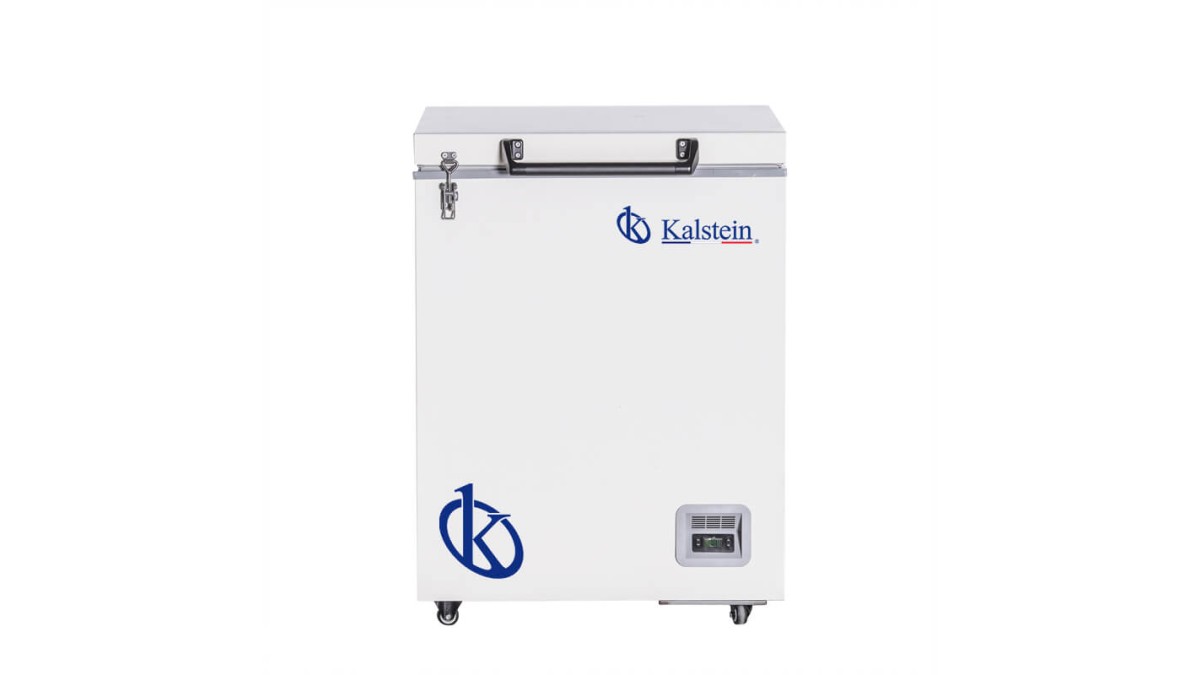
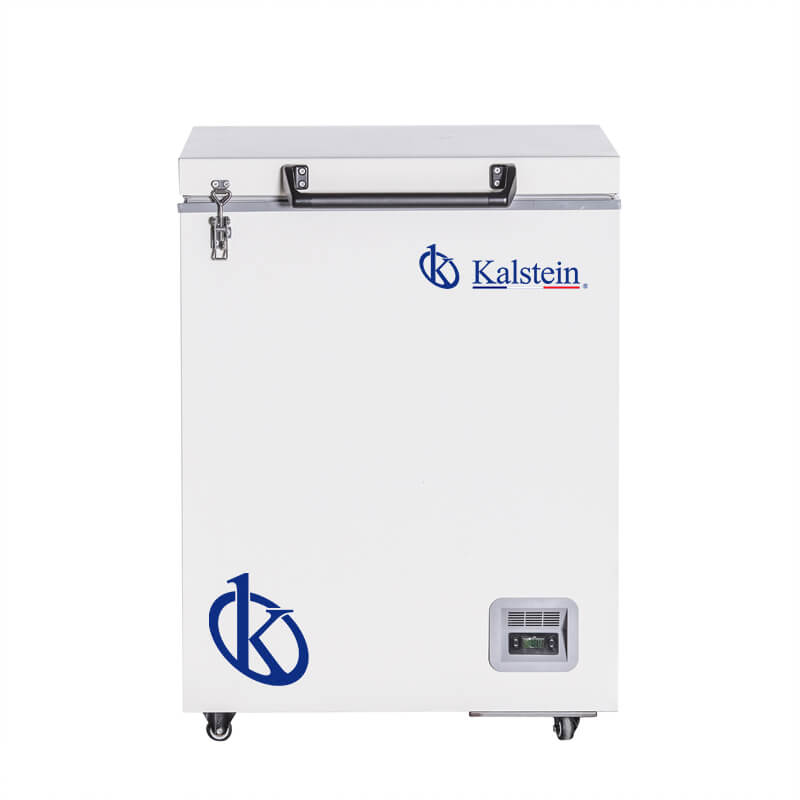
Chest Freezers: Practical Applications and Techniques 2026
Chest freezers play a crucial role in a variety of laboratory settings, especially in research, biotechnology, and academia. Understanding their applications, techniques, and best practices is vital for laboratory professionals aiming to optimize their workflows in 2026.
What is it used for in 2026
In 2026, chest freezers are utilized extensively for storing biological samples, pharmaceuticals, vaccines, and sensitive materials that require consistent low temperatures. Their ability to maintain stable temperatures, often from -10°C to -86°C, ensures the integrity of critical samples. This is particularly important for research institutions and hospitals where sample viability is paramount.
History and evolution of the technology
The development of chest freezers has evolved from basic refrigeration units to sophisticated appliances with advanced monitoring and control systems. Initially designed for household use, technological advances have transformed them into essential laboratory tools. Modern models now include features like microprocessor controls, alarm systems, and energy-efficient designs, significantly enhancing their reliability and usability in scientific environments.
How to use it step by step
- Select the appropriate model based on your storage needs, considering factors such as temperature range and capacity.
- Set the desired temperature using the digital control panel, ensuring it meets the specific requirements for your samples.
- Organize samples systematically inside the freezer, labeling all containers clearly for easy retrieval.
- Monitor the temperature regularly using the built-in digital display or external monitoring systems, ensuring consistent conditions.
- Implement a backup system by having a secondary freezer or temperature alarms to alert you in case of any fluctuations or failures.
Best techniques and protocols
Implementing best practices in the use of chest freezers includes regularly checking the temperature, minimizing door openings, and conducting periodic defrosting. Proper organization of stored materials and maintaining an inventory can prevent sample loss and ensure easy access when needed. Additionally, utilizing data logging systems for temperature monitoring can provide an extra layer of security and compliance with regulations.
Practical applications by laboratory type
Chest freezers serve various applications across different laboratory types:
- Biotechnology labs: Storing cellular and tissue samples that require strict temperature control.
- Pharmaceutical companies: Keeping vaccines and sensitive medications at stable temperatures.
- Research institutions: Preserving biological specimens for research and experimentation.
- Hospitals: Storing blood components, medications, and other critical supplies.
Regulations, standards and certifications
Laboratory freezers must adhere to various regulations and standards to ensure safety and reliability. Compliance with the FDA guidelines, ISO certifications, and other relevant local regulations is crucial in maintaining the integrity of stored materials. Regular audits and inspections will help ensure continued compliance and operational excellence.
Comparison with alternative technologies
While chest freezers are highly effective, alternatives such as upright freezers and cryogenic storage systems exist. Chest freezers generally offer larger storage capacity and lower temperatures, making them ideal for long-term storage of biological samples, while upright freezers may allow easier access and organization. Cryogenic storage, on the other hand, is suited for samples requiring sub-zero temperatures beyond -86°C.
Comparison of available models
| Model | Best for | Key specs | Recommended use case |
|---|---|---|---|
| YR05102 | General laboratory storage | Temp range: -10 to -40°C, Energy consumption: 1.65 kWh/23h | Storing biological samples and reagents. |
| YR05103 | Versatile laboratory applications | Temp range: -10 to -40°C, Energy consumption: 1.68 kWh/23h | Storage of various samples requiring consistent temperatures. |
| YR05104 | Enhanced storage requirements | Temp range: -20 to -40°C, Energy consumption: 3.45 kWh/23h | Suitable for sensitive biological samples. |
| YR05314 | Ultra-low temperature storage | Temp range: -40 to -86°C, Energy consumption: 11.5 kWh/24h | For long-term preservation of critical samples. |
| YR05313 | Small laboratory needs | Temp range: -40 to -86°C, Energy consumption: 3.8 kWh/24h | Ideal for smaller labs with limited space. |
| YR05315 | Biomedical storage | Temp range: -25 to -60°C, Energy consumption: 3.2 kWh/24h | Storage of vaccines and biological materials. |
Common mistakes and how to avoid them
Common mistakes when utilizing chest freezers include overloading the unit, failing to monitor temperatures regularly, and neglecting defrosting schedules. To avoid these pitfalls, it’s essential to adhere to manufacturer guidelines regarding load capacity, implement a routine for monitoring conditions, and perform regular maintenance checks.
Maintenance, calibration and good practices 2026
Regular maintenance includes cleaning the interior, checking seals for integrity, and ensuring that the temperature control system functions correctly. Calibration of temperature sensors should be performed periodically to ensure accuracy. Additionally, keeping a log of maintenance activities can help track performance and compliance with regulations.
Cost-benefit analysis 2026
Investing in a chest freezer entails not only the initial purchase cost but also ongoing operating expenses. By evaluating the cost of energy consumption against the potential benefits of sample preservation and the avoidance of loss due to temperature fluctuations, laboratories can make informed decisions about which model suits their needs best. In many cases, the long-term savings associated with maintaining sample viability justify the investment.
Frequently asked questions
What should I consider when choosing a chest freezer?
When selecting a chest freezer, consider factors such as temperature range, capacity, energy efficiency, and specific storage requirements for your samples.
How can I ensure the temperature remains stable?
Regularly monitor the temperature using built-in displays and external logging systems. Minimize door openings and ensure proper ventilation around the unit.
What are the best practices for organizing materials inside the freezer?
Label all samples clearly, use bins for organization, and avoid overloading the freezer to maintain airflow and temperature stability.
How often should I defrost the chest freezer?
Defrosting schedules depend on usage, but generally, it should be done when frost buildup is more than a quarter-inch thick to maintain efficiency.
What certifications should I look for in a chest freezer?
Look for models that comply with FDA regulations, ISO standards, and any relevant local certifications regarding safety and performance.
Can I use a chest freezer for short-term storage?
Yes, chest freezers can be used for short-term storage, but they are primarily designed for long-term preservation of sensitive materials.
What steps should I take if the power goes out?
Keep the freezer door closed to maintain temperature for as long as possible, and consider investing in a backup generator or alarm system to alert you of power failures.
If you are looking for a fusion of innovation and quality, you have come to the right place. At Kalstein, we offer you the luxury of exploring our exclusive catalog of laboratory equipment. We manufacture every device to the highest standards of excellence. Our intuitive and seamless online purchasing channels are designed for your convenience, securing the most competitive prices. Hesitate no longer — we bring science to life, it is time to become part of our community.