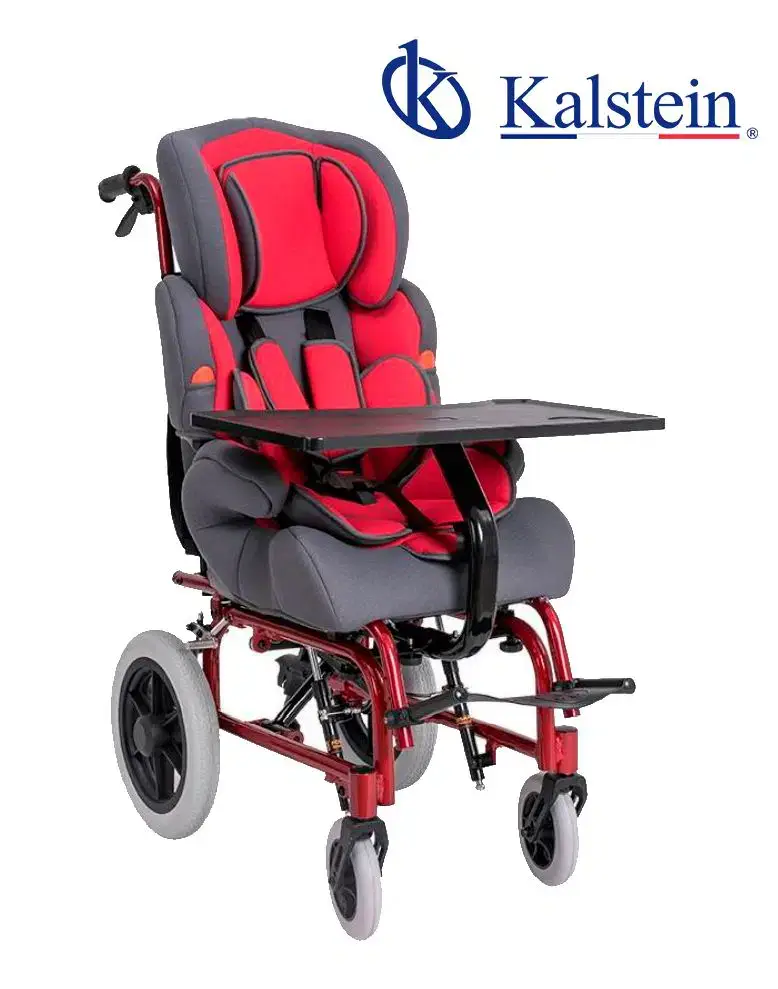
Children Wheelchair: Practical Applications and Techniques 2026
What is it used for in 2026
The Children Wheelchair is designed to provide mobility, comfort, and independence to children with various mobility challenges. In 2026, these wheelchairs are not just mobility aids; they are engineered to support developmental needs, facilitate participation in social activities, and enhance the quality of life for children. Their design incorporates adjustable features to cater to the growing needs of children, ensuring that they serve as effective tools for rehabilitation and daily activities.
History and evolution of the technology
The development of children wheelchairs dates back several decades, with significant advancements over the years. Early models were basic and lacked adjustability and comfort features. However, as understanding of pediatric mobility needs improved, manufacturers began to innovate. The introduction of lighter materials, ergonomic designs, and customizable features has transformed children wheelchairs into versatile devices that can grow with the child. The integration of safety features like seatbelts and braking systems has also enhanced the usability of these wheelchairs in various environments.
How to use it step by step
Using a children wheelchair effectively involves several steps to ensure safety and comfort:
- Preparation: Ensure the wheelchair is clean and free of obstacles.
- Adjust Settings: Modify the seat height, backrest angle, and footrest position according to the child's needs.
- Safety Checks: Secure the seatbelt and inspect brakes for functionality.
- Seating: Assist the child into the wheelchair, ensuring they are comfortably seated.
- Movement: Use the handrims or foot pedals to navigate the wheelchair, helping the child learn steering techniques.
- Parking: Always lock the brakes before leaving the wheelchair unattended.
Best techniques and protocols
To maximize the effectiveness of the children wheelchair, follow these best practices:
- Regularly assess the fit of the wheelchair to the child.
- Incorporate rehabilitation techniques to improve upper body strength and coordination.
- Utilize assistive technologies that may complement the wheelchair for better mobility.
- Engage in regular maintenance checks to ensure functionality.
Practical applications by laboratory type
Children wheelchairs find practical applications in various settings:
- Rehabilitation Centers: Used for therapy sessions focusing on mobility and strength building.
- Schools: Facilitate mobility for children with disabilities, promoting inclusion.
- Research Facilities: Studied for advancements in pediatric mobility technology.
- Home Environments: Enhance daily living activities for children with mobility challenges.
Regulations, standards and certifications
In 2026, children wheelchairs must comply with various local and international regulations to ensure safety and effectiveness. These include:
- ISO 7176 - Wheelchair standard for testing and safety.
- FDA regulations for medical devices.
- Local health and safety standards for pediatric mobility aids.
Comparison with alternative technologies
While children wheelchairs are integral for mobility, there are alternative technologies available:
- Power Wheelchairs: Offer automated mobility for children with severe limitations.
- Walkers: Provide support for children with partial mobility.
- Exoskeletons: Emerging technology aimed at enhancing mobility in children with severe disabilities.
Comparison of available models
| Model | Best for | Key specs | Recommended use case |
|---|---|---|---|
| YR05459 | General mobility | Width: 30cm, Depth: 39cm, Height: 46cm | Ideal for everyday use in home and school settings. |
| YR05460 | General mobility with dining needs | Width: 42cm, Depth: 35cm, Height: 55-70cm | Best suited for children needing a wheelchair with dining table attachment. |
| YR05457 | Comfort and adjustability | Width: 38cm, Depth: 39cm, Height: 46cm | Perfect for children needing a stable and comfortable seating option. |
| YR05458 | Multi-purpose usage | Width: 38cm, Depth: 39cm, Height: 46cm | Adaptable for various environments including home and therapy. |
| YR06611 | Children with cerebral palsy | Width: 34cm, Height: 500mm | Designed specifically for children with severe mobility challenges. |
Common mistakes and how to avoid them
Common mistakes in using children wheelchairs include:
- Improper adjustments: Always ensure the wheelchair is properly fitted for the child’s size and needs.
- Neglecting safety checks: Regularly check brakes and seatbelts to ensure safety.
- Ignoring comfort: Make adjustments to enhance the child’s comfort during use.
Maintenance, calibration and good practices 2026
To ensure longevity and performance of the children wheelchair:
- Conduct regular cleaning and inspections.
- Lubricate moving parts as required.
- Calibrate components according to manufacturer specifications.
Cost-benefit analysis 2026
Investing in a children wheelchair involves considering both the initial costs and long-term benefits:
- Cost: The price for children wheelchairs varies based on features and specifications. Expect costs ranging from $302 to $456.
- Benefits: Improved mobility, independence, and quality of life justify the investment, especially when considering the potential for enhanced social interactions and developmental growth.
Frequently asked questions
How do I choose the right children wheelchair?
Choosing the right wheelchair involves assessing the child's specific needs, considering factors like size, weight capacity, and intended use. Consulting with a healthcare provider for recommendations based on mobility challenges is also advisable.
What are the key features to look for in a children wheelchair?
Look for adjustable seat heights, comfortable seating, safety features (like seatbelts), and lightweight materials for easy transport. A wheelchair that can accommodate growth is also beneficial.
Can children use wheelchairs for long periods?
Yes, but it’s important to ensure that the child is comfortable and periodically changes position to avoid pressure sores. Regular breaks and adjustments can enhance comfort during extended use.
What is the importance of regular maintenance for a children wheelchair?
Regular maintenance ensures the wheelchair operates safely and efficiently. It helps identify wear and tear early, preventing potential malfunctions that could compromise the child's safety.
Are there any specific protocols for using children wheelchairs in schools?
Yes, schools should implement protocols that include training staff on how to assist children in and out of the wheelchair, safely navigate the school environment, and understand the child's unique needs.
How can I involve my child in the process of using their wheelchair?
Engaging your child in decisions about their wheelchair, including adjustments and personalizing it, fosters a sense of independence and ownership over their mobility aid.
What should I do if my child is experiencing discomfort in their wheelchair?
If discomfort arises, reassess the adjustments of the wheelchair. Consult with a healthcare professional or occupational therapist to ensure proper fit and make necessary modifications.
If you are looking for a fusion of innovation and quality, you have come to the right place. At Kalstein, we offer you the luxury of exploring our exclusive catalog of laboratory equipment. We manufacture every device to the highest standards of excellence. Our intuitive and seamless online purchasing channels are designed for your convenience, securing the most competitive prices. Hesitate no longer — we bring science to life, it is time to become part of our community.