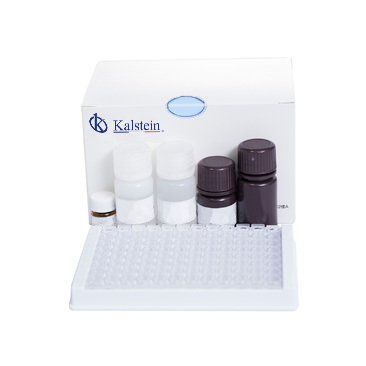
Clinical Chemistry Reagents: Best Techniques and Protocols 2026
What is it used for in 2026
In 2026, Clinical Chemistry Reagents play a crucial role in laboratory diagnostics. These reagents are essential tools for a variety of biochemical analyses, particularly in determining chemical contents in different samples, including those related to liver function, myocardial enzyme indices, renal function, and electrolytes in blood gases. Their reliability makes them indispensable in both research and clinical diagnostics.
History and evolution of the technology
The evolution of Clinical Chemistry Reagents has been marked by significant advancements in formulations and testing methods. From early chemical assays to modern automated systems, the technology has shifted towards higher accuracy and efficiency. Innovations in reagent stability and specificity have enabled laboratories to perform a broader range of tests with improved results.
How to use it step by step
Using Clinical Chemistry Reagents involves several key steps to ensure accurate results:
- Preparation: Ensure that all reagents are at the correct temperature and have not expired.
- Sample Collection: Collect biological samples according to standard procedures to avoid contamination.
- Mixing: Follow the specific instructions for mixing reagents with the sample to achieve the desired chemical reaction.
- Incubation: Allow the mixture to incubate for the recommended time to facilitate the reaction.
- Measurement: Use an appropriate analyzer to measure the reaction products, which correlate with the analyte concentrations.
- Data Interpretation: Analyze the results according to standard reference ranges and laboratory protocols.
Best techniques and protocols
Best practices in using Clinical Chemistry Reagents include:
- Implementing strict quality control measures to ensure reagents are functioning correctly.
- Standardizing protocols for sample handling and testing to minimize variability.
- Regular training for laboratory personnel on the latest techniques and updates in reagent usage.
Practical applications by laboratory type
Clinical Chemistry Reagents find applications across various laboratory types:
- Clinical Laboratories: Used for routine blood tests to assess overall health.
- Research Laboratories: Employed in studies relating to metabolic diseases and drug development.
- Hospital Laboratories: Critical for emergency diagnostics and patient monitoring.
Regulations, standards and certifications
Clinical Chemistry Reagents must comply with various regulations and certifications, such as ISO 13485 for quality management systems and CE marking for compliance with European health, safety, and environmental protection standards. Laboratories should remain updated with local regulations and ensure that reagents meet the necessary certifications.
Comparison with alternative technologies
When compared to alternative technologies such as point-of-care testing devices, Clinical Chemistry Reagents offer greater accuracy and reliability, particularly for complex biochemical analyses. However, point-of-care devices provide faster results and may be more suitable for initial screenings.
Comparison of available models
| Model | Best for | Key specs | Recommended use case |
|---|---|---|---|
| YRA1 | ALT analysis | R1:48mlx2 R2:12mlx2, 120ml | Routine liver function tests |
| YRA2 | AST analysis | R1:48mlx2 R2:12mlx2, 120ml | Assessing liver and heart health |
| YRA3 | GGT analysis | R1:48mlx2 R2:16mlx2, 128ml | Monitoring liver disease |
| YRA4 | ALB testing | R:20mlx8, 160ml | Evaluating protein levels |
| YRA5 | TBIL analysis | R1:48mlx2 R2:12mlx2, 120ml | Assessing bilirubin levels |
| YRA6 | TBIL with oxidation method | R1:48mlx2 R2:12mlx2, 120ml | Advanced bilirubin testing |
Common mistakes and how to avoid them
Common mistakes include:
- Incorrect reagent storage—always follow storage conditions to ensure reagent stability.
- Poor sample handling—implement strict protocols to avoid contamination and degradation.
- Inaccurate timing during incubation—use timers to ensure consistency for accurate results.
Maintenance, calibration and good practices 2026
Regular maintenance and calibration of laboratory equipment are essential to ensure accurate results. Follow these good practices:
- Schedule routine maintenance checks for analyzers and equipment.
- Calibrate equipment regularly according to manufacturer recommendations.
- Document all maintenance and calibration procedures for compliance and quality assurance.
Cost-benefit analysis 2026
The cost-benefit analysis of using Clinical Chemistry Reagents in 2026 indicates that while initial costs may be higher, the long-term benefits include improved accuracy, reduced error rates, and increased efficiency in laboratory processes, ultimately leading to better patient outcomes.
Frequently asked questions
What are the key factors to consider when choosing Clinical Chemistry Reagents?
When choosing Clinical Chemistry Reagents, consider factors such as the specific tests you need to perform, reagent stability, compatibility with existing laboratory equipment, and regulatory compliance.
How can I ensure the quality of Clinical Chemistry Reagents?
To ensure the quality, purchase reagents from reputable manufacturers, check expiration dates, and perform regular quality control tests as per laboratory protocols.
What steps should I take if a reagent fails during testing?
If a reagent fails, document the incident, troubleshoot the issue by checking storage conditions and protocols, and consult with the manufacturer if necessary.
How often should I calibrate my laboratory equipment used with these reagents?
Calibration frequency depends on usage, but it is generally recommended to calibrate equipment monthly or before critical tests.
What are some best practices for storing Clinical Chemistry Reagents?
Store reagents as per manufacturer instructions, maintain appropriate temperature and humidity levels, and ensure that they are kept away from light to avoid degradation.
Can I use Clinical Chemistry Reagents for point-of-care testing?
While primarily designed for laboratory use, some Clinical Chemistry Reagents can be adapted for point-of-care testing, depending on the specific requirements and protocols.
How do I minimize waste when using Clinical Chemistry Reagents?
To minimize waste, carefully plan the number of tests based on expected samples, use multi-test vials when possible, and follow proper disposal protocols for any expired or unused reagents.
If you are looking for a fusion of innovation and quality, you have come to the right place. At Kalstein, we offer you the luxury of exploring our exclusive catalog of laboratory equipment. We manufacture every device to the highest standards of excellence. Our intuitive and seamless online purchasing channels are designed for your convenience, securing the most competitive prices. Hesitate no longer — we bring science to life, it is time to become part of our community.