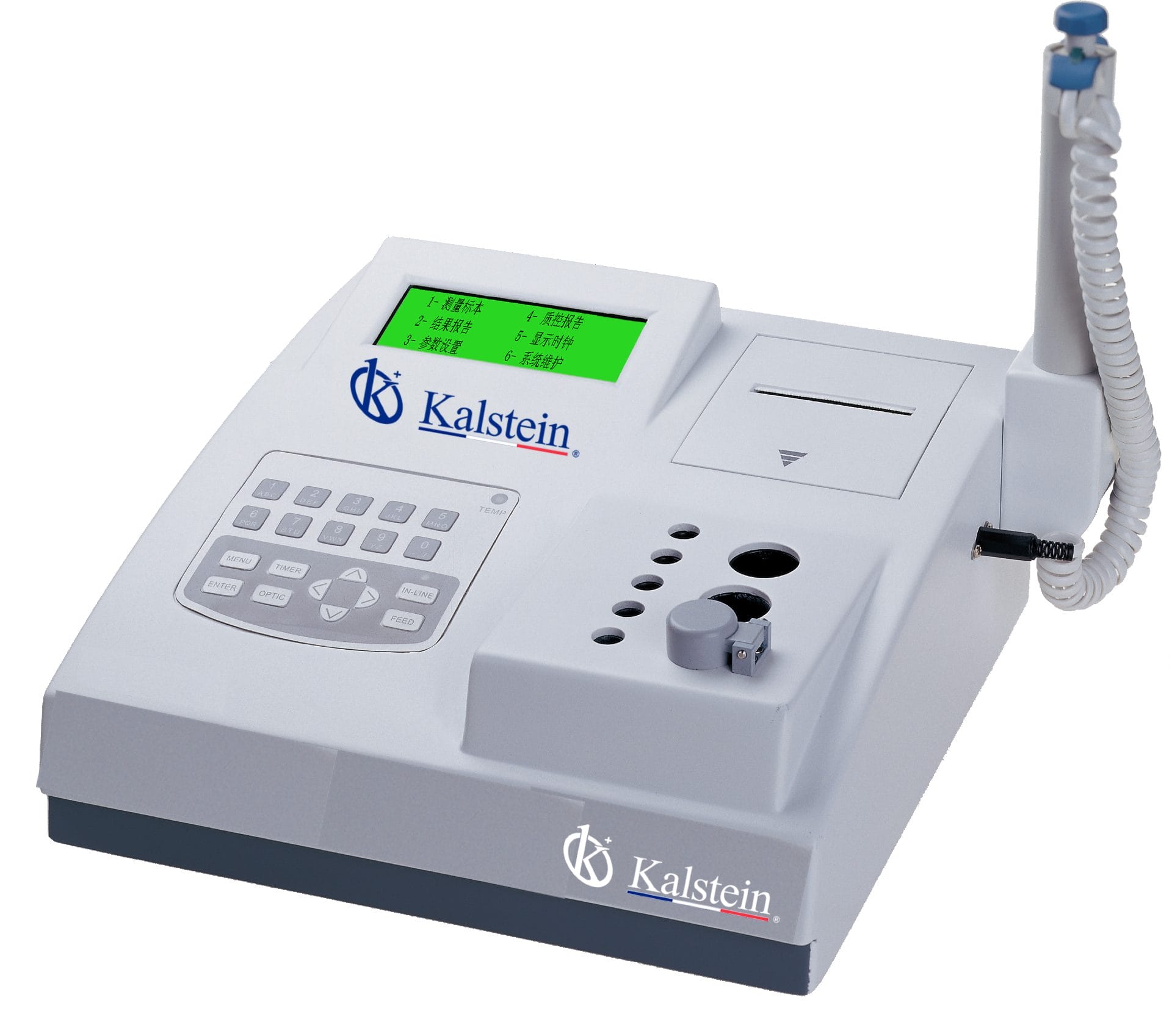
Coagulation Analyzers: Best Techniques and Protocols for 2026
What is it used for in 2026
In 2026, Coagulation Analyzers serve as essential tools in clinical laboratories, particularly in diagnosing and monitoring coagulation disorders. These devices are used to assess the blood's ability to clot, which is crucial for patients undergoing surgeries, those with bleeding disorders, and for monitoring anticoagulant therapy. The efficiency and accuracy of coagulation testing have improved significantly, enabling faster diagnosis and treatment decisions, which are vital in emergency and routine care settings.
History and evolution of the technology
The evolution of Coagulation Analyzers began in the mid-20th century with basic manual testing methods. Over the decades, technological advancements have introduced automated systems that enhance precision and throughput. The incorporation of optical and electronic technologies has transformed these analyzers into sophisticated devices capable of performing multiple tests simultaneously with minimal sample volumes. Recent trends include the development of open systems that allow the use of various reagents and the integration of software for data management and analysis.
How to use it step by step
Using a Coagulation Analyzer involves several key steps:
- Preparation: Ensure that the analyzer is calibrated and that all necessary reagents are readily available.
- Sample Collection: Collect blood samples following standard protocols to prevent contamination or hemolysis.
- Sample Loading: Load the samples into the analyzer, ensuring proper positioning as per the manufacturer's instructions.
- Test Selection: Select the appropriate tests on the analyzer's interface, such as PT, APTT, or fibrinogen analysis.
- Analysis: Initiate the analysis and monitor the progress through the device's display.
- Results Interpretation: Once the tests are complete, review the results and ensure they meet quality control standards.
- Documentation: Record and report the results as per laboratory protocols.
Best techniques and protocols
For optimal performance of Coagulation Analyzers in 2026, the following techniques are recommended:
- Regular calibration and maintenance to ensure accuracy.
- Implementation of quality control samples to validate test results.
- Use of appropriate sample volumes and reagent types as specified by the analyzer's guidelines.
- Fast processing of samples to avoid degradation of results.
- Training for laboratory staff on the latest protocols and analyzer features to enhance efficiency.
Practical applications by laboratory type
Coagulation Analyzers find application in various laboratory settings:
- Clinical Laboratories: For routine testing of patients with clotting disorders.
- Emergency Departments: To quickly assess coagulation status in trauma patients.
- Research Laboratories: For clinical studies involving anticoagulation therapies and blood disorders.
- Blood Banks: To ensure safety in blood transfusion procedures by assessing donor blood coagulation.
Regulations, standards and certifications
Coagulation Analyzers are subject to various regulations and certifications to ensure safety and reliability. Compliance with ISO 13485 for medical devices is essential, as is adherence to CLIA (Clinical Laboratory Improvement Amendments) standards in the United States. Regular audits and quality checks are necessary to maintain certification and ensure that the analyzers meet the required performance standards.
Comparison with alternative technologies
Alternative technologies include point-of-care testing devices and traditional manual testing methods. While point-of-care devices offer rapid results, they may lack the accuracy of laboratory-based analyzers that perform more comprehensive analyses. Manual methods, while reliable, are time-consuming and prone to human error. Coagulation Analyzers provide a balanced solution, offering speed, accuracy, and the ability to perform multiple tests simultaneously.
Comparison of available models
| Model | Best for | Key specs | Recommended use case |
|---|---|---|---|
| YR05117 | Routine PT and APTT testing | Weight: 5 kg, Price: $750.00 | Small to medium-sized labs requiring accuracy with lower sample volume. |
| YR05118 | High throughput testing | Weight: 5 kg, Price: $600.00 | Laboratories needing multiple tests in a short time frame. |
| YR06083 | Automated systems for large facilities | Weight: 110 kg, Price: $13,000.00 | Major hospitals with high demands for coagulation testing. |
| YR06082 | Comprehensive testing with advanced features | Weight: 53 kg, Price: $6,800.00 | Labs requiring detailed analysis and high reliability. |
Common mistakes and how to avoid them
Common mistakes in using Coagulation Analyzers can include:
- Improper Sample Handling: Always handle samples with care to avoid hemolysis and contamination.
- Inadequate Calibration: Regularly calibrate devices as per manufacturer instructions to ensure accuracy.
- Ignoring Quality Control: Implement regular quality control checks to validate the accuracy of results.
- Failure to Train Staff: Ensure laboratory staff are adequately trained on equipment and protocols.
Maintenance, calibration and good practices 2026
For Coagulation Analyzers to perform optimally, regular maintenance and calibration are essential:
- Schedule routine maintenance checks as per manufacturer guidelines.
- Calibrate the analyzer before daily use and after any major adjustments.
- Keep the software updated to benefit from the latest features and performance enhancements.
- Document all maintenance and calibration activities for compliance and quality assurance.
Cost-benefit analysis 2026
When evaluating Coagulation Analyzers in 2026, it is crucial to consider both initial costs and long-term benefits:
- Initial investment costs vary significantly among models, influenced by features and automation levels.
- Consider ongoing operational costs, including reagents and maintenance.
- The efficiency gains from automation can lead to reduced labor costs and faster result turnaround times, justifying higher initial investments.
Frequently asked questions
What is the best way to choose a Coagulation Analyzer?
Choosing the right Coagulation Analyzer involves assessing your laboratory's needs, including testing volume, required tests, and budget constraints. Evaluate the features of different models to find the best fit for your workflows.
How often should I calibrate my Coagulation Analyzer?
Calibration frequency depends on the manufacturer's recommendations and the volume of use; however, it is advised to calibrate before daily use and after significant maintenance or repairs.
What are the common coagulation tests performed?
Common tests include Prothrombin Time (PT), Activated Partial Thromboplastin Time (APTT), and fibrinogen levels, among others, depending on clinical requirements.
Can I use different reagents with my Coagulation Analyzer?
Some analyzers allow for open reagent systems, enabling the use of various reagents. Ensure compatibility with your specific model before utilizing alternative reagents.
What should I do if I get inconsistent results?
If results are inconsistent, check for proper calibration, verify sample integrity, and evaluate the quality control results. Re-run the tests if necessary.
How can I reduce the risk of errors in coagulation testing?
To minimize errors, ensure proper sample collection, regular maintenance, staff training, and adherence to established protocols and quality controls.
Where can I request a quote for Coagulation Analyzers?
You can request a quote for Coagulation Analyzers directly through our channels. We will provide tailored options that fit your laboratory needs.
If you are looking for a fusion of innovation and quality, you have come to the right place. At Kalstein, we offer you the luxury of exploring our exclusive catalog of laboratory equipment. We manufacture every device to the highest standards of excellence. Our intuitive and seamless online purchasing channels are designed for your convenience, securing the most competitive prices. Hesitate no longer — we bring science to life, it is time to become part of our community.