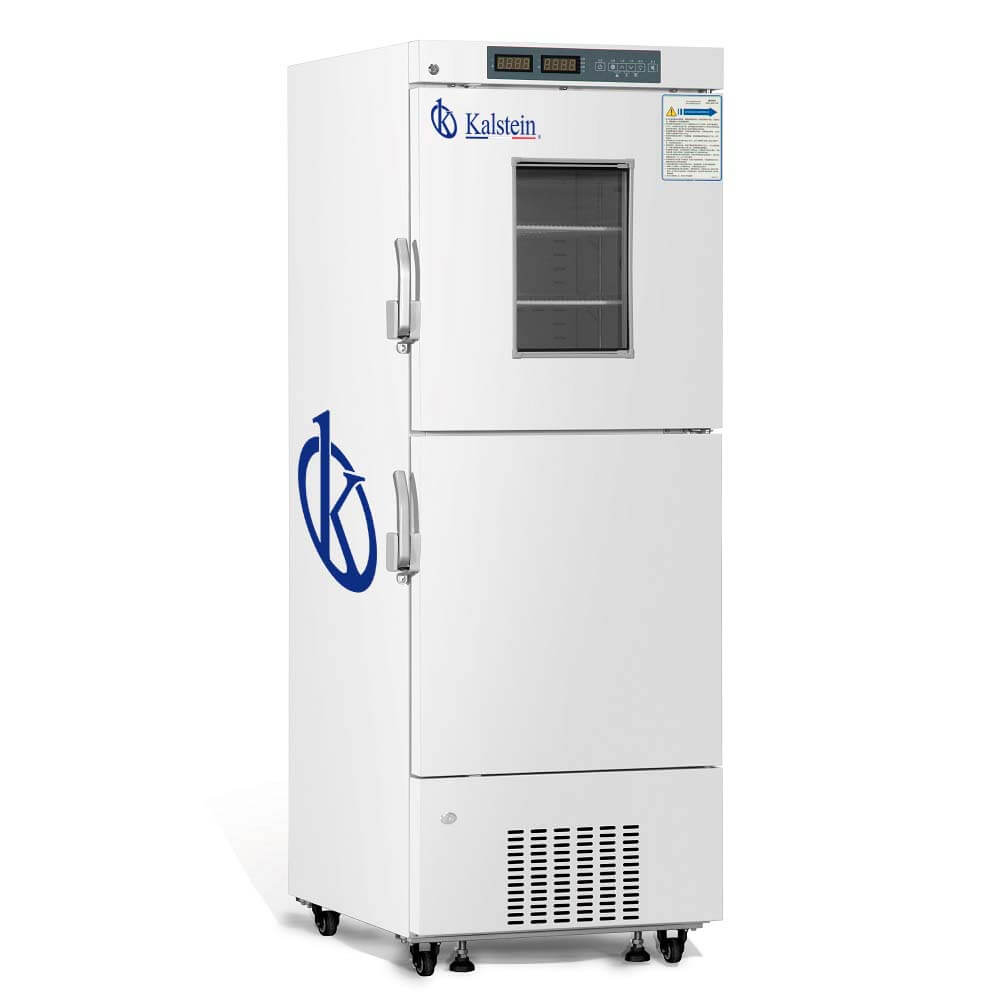
Combined Freezers: Applications in Research, Biotechnology and Academia 2026
What is it used for in 2026
Combined freezers play a crucial role in various laboratory settings, including research institutions, biotechnology firms, and academic facilities. These appliances are designed to store biological samples, pharmaceutical products, and other temperature-sensitive materials. In 2026, their applications have expanded to include the storage of vaccines, blood plasma, and other biological samples essential for scientific progress.
History and evolution of the technology
The technology behind combined freezers has evolved significantly over the decades. Initially, laboratory freezers were basic units designed solely for freezing purposes. However, advances in refrigeration technology and materials science have led to the development of combined freezers, which integrate both refrigeration and freezing capabilities in one unit. This evolution has allowed researchers to store a wider variety of materials at optimal temperatures, facilitating advancements in medical research and biotechnology.
How to use it step by step
Using a combined freezer effectively involves a series of steps:
- Preparation: Ensure the freezer is clean and properly calibrated before use.
- Adjust Temperature Settings: Set the desired temperature for each compartment according to the materials to be stored.
- Organize Samples: Place samples in appropriate containers, labeling them clearly for easy identification.
- Load the Freezer: Organize samples inside the freezer, ensuring adequate airflow around each container.
- Monitoring: Regularly check the temperature settings and monitor for any fluctuations.
- Data Logging: Utilize built-in data logging features to maintain records of temperature and operational parameters.
- Maintenance: Follow maintenance protocols to ensure the unit operates efficiently.
Best techniques and protocols
To optimize the performance of combined freezers, researchers should follow best practices and protocols:
- Temperature Calibration: Regularly calibrate the temperature settings to ensure accuracy.
- Inventory Management: Use inventory management software to track stored samples.
- Load Management: Avoid overloading the freezer to prevent temperature inconsistencies.
- Routine Maintenance: Implement routine cleaning and maintenance to prolong the unit's lifespan.
Practical applications by laboratory type
Different laboratory types utilize combined freezers in unique ways:
- Research Laboratories: For storing biological materials and reagents essential for experiments.
- Biotechnology Firms: To preserve sensitive biologics and vaccines in development.
- Academic Institutions: For conducting experiments that require strict temperature controls for samples.
Regulations, standards and certifications
Compliance with regulations and standards is essential when utilizing combined freezers. Laboratories must adhere to guidelines set forth by organizations such as the FDA and WHO for the storage and handling of biological materials. Additionally, obtaining certifications for quality standards (e.g., ISO certifications) can further validate the reliability of laboratory operations.
Comparison with alternative technologies
When evaluating combined freezers, it’s important to compare them with alternative technologies:
- Standalone Freezers: While standalone units may offer more capacity, combined freezers provide versatility in temperature management.
- Cryogenic Freezers: Cryogenic options are suitable for ultra-low temperature storage but may not be necessary for all applications.
- Refrigerators: Regular refrigerators do not maintain low temperatures required for biological sample preservation.
Comparison of available models
| Model | Best for | Key specs | Recommended use case |
|---|---|---|---|
| YR05320 | Storing plasma and biological materials | 368L capacity, -20℃ to -40℃, 4.15 kWh/24h | Pharmacy settings and laboratory research |
| YR05321 | PCR laboratory applications | R290 refrigerant, double chamber, -10℃ to -25℃ | Blood stations and hospitals |
| YR05321-1 | Wide range of laboratory applications | 198L upper, 102L lower, -10℃ to -25℃ | Transfusion centers and clinical laboratories |
Common mistakes and how to avoid them
Laboratory professionals often encounter challenges when using combined freezers. To avoid common mistakes:
- Inaccurate Temperature Settings: Regularly verify and calibrate temperature settings.
- Poor Sample Organization: Use proper labeling and organization techniques to easily locate samples.
- Neglecting Maintenance: Establish a routine maintenance schedule to ensure optimal performance.
Maintenance, calibration and good practices 2026
To maximize the lifespan and performance of combined freezers, adhere to maintenance and calibration protocols:
- Regular Calibration: Calibrate the unit every month to ensure accurate temperature readings.
- Cleaning: Keep the interior and exterior clean to prevent contamination and ensure efficient cooling.
- Monitor Performance: Use monitoring systems to track performance metrics regularly.
Cost-benefit analysis 2026
Investing in a combined freezer involves evaluating the cost against the benefits:
- Initial Investment: While upfront costs may be high, the versatility and efficiency often lead to long-term savings.
- Operational Efficiency: Reduced energy usage and lower maintenance costs contribute to overall savings.
- Enhanced Research Capabilities: The ability to store a diverse range of samples increases research output and potential breakthroughs.
Frequently asked questions
What factors should I consider when choosing a combined freezer?
When selecting a combined freezer, consider factors such as storage capacity, temperature range, energy efficiency, and specific applications required for your laboratory.
How do I ensure proper temperature maintenance in a combined freezer?
Regular calibration, monitoring temperature logs, and ensuring proper airflow within the unit can help maintain the desired temperature settings.
What are the ideal storage conditions for biological samples?
Biological samples typically require specific temperature settings. Ensure that the combined freezer is set to the appropriate temperature range for the materials you are storing.
Can combined freezers be used for long-term storage of vaccines?
Yes, combined freezers are suitable for long-term storage of vaccines, provided they maintain the necessary temperature range as specified by the vaccine manufacturer.
What maintenance practices should I implement for my combined freezer?
Implement a routine cleaning schedule, regularly verify temperature accuracy, and inspect for any potential issues that may affect performance.
Are there specific regulations I need to follow for storing biological samples?
Yes, laboratories must adhere to regulations set forth by governing bodies like the FDA and WHO, which outline the proper handling and storage of biological materials.
Where can I find more information or request a quote for combined freezers?
For more information or to request a quote, please reach out to our team.
If you are looking for a fusion of innovation and quality, you have come to the right place. At Kalstein, we offer you the luxury of exploring our exclusive catalog of laboratory equipment. We manufacture every device to the highest standards of excellence. Our intuitive and seamless online purchasing channels are designed for your convenience, securing the most competitive prices. Hesitate no longer — we bring science to life, it is time to become part of our community.