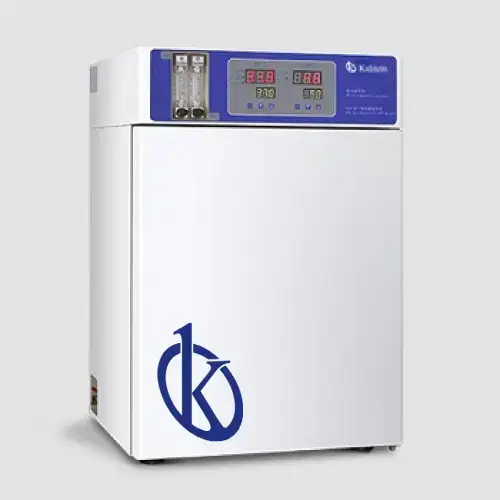
Common Mistakes and How to Avoid Them in Daily Operation of CO₂ Incubators 2026
What is it used for in 2026
CO₂ incubators are vital for various laboratory applications, especially in cell culture, microbiology, pathology, and life sciences. They maintain a controlled environment with optimal temperature and CO₂ concentration, essential for cellular growth and experimentation. In 2026, these incubators are crucial for research in immunology, oncology, genetics, and bioengineering.
History and evolution of the technology
The evolution of CO₂ incubation technology dates back to the early 20th century when the need for precise environmental conditions became critical in biological research. Initially, simple water baths were used to maintain temperature. Over the decades, microprocessor technology has revolutionized incubators, allowing for more accurate temperature controls, CO₂ concentration management, and enhanced features like sterilization lamps.
How to use it step by step
Using a CO₂ incubator effectively involves several key steps:
- Preparation: Ensure all equipment is clean and free from contamination.
- Calibration: Calibrate the incubator for temperature and humidity settings according to the requirements of your specific culture.
- Loading samples: Place samples in the incubator carefully to avoid shock or contamination.
- Monitoring: Regularly check the temperature and CO₂ levels using the built-in indicators or external monitors.
- Maintenance: Follow a routine maintenance schedule to ensure optimal performance.
Best techniques and protocols
Adhering to best practices is crucial for successful outcomes in CO₂ incubation:
- Maintain a consistent environment by avoiding frequent door openings.
- Utilize proper sterilization techniques to prevent contamination.
- Use validated protocols for specific cell lines or cultures to achieve reliability in results.
- Implement group cultures to optimize space and resources.
Practical applications by laboratory type
CO₂ incubators find applications across various laboratory types:
- Research Laboratories: For cellular and microbiological studies.
- Clinical Laboratories: In pathology for test sample analysis.
- Pharmaceutical Companies: For drug development and testing.
- Agricultural Research: In studying plant tissue cultures.
Regulations, standards and certifications
Compliance with regulations is vital for CO₂ incubators:
- ISO 9001 for quality management systems.
- FDA regulations for laboratory equipment.
- Good Laboratory Practice (GLP) standards.
- Certification by recognized bodies ensures reliability and safety.
Comparison with alternative technologies
While CO₂ incubators are widely used, alternatives include:
- Refrigerated Incubators: Mainly for lower temperature applications.
- Bioreactors: For larger scale cell culture processes.
- Environmental Chambers: To simulate different climate conditions for various experiments.
Comparison of available models
| Model | Best for | Key specs | Recommended use case |
|---|---|---|---|
| YR02048 | Cell culture, microbiological studies | Temperature range: RT + 5 ~ 60℃, CO₂ range: 0 ~ 20% | Immunology and genetic research |
| YR02049 | Cell culture, tissue studies | Temperature range: RT + 5 ~ 60℃, CO₂ range: 0 ~ 20% | Pharmaceutical research and development |
| YR02049-1 | Microbiological research | Temperature range: RT + 5 ~ 55℃, CO₂ range: 0 ~ 20% | Pathology and life sciences experiments |
Common mistakes and how to avoid them
Many laboratory professionals encounter issues with CO₂ incubators. Common mistakes include:
- Frequent Door Openings: Avoid unnecessary openings which can disrupt the internal environment.
- Improper Calibration: Regularly check calibration settings to maintain accuracy.
- Ignoring Maintenance: Schedule routine maintenance to prevent malfunctions.
- Overloading the Incubator: Follow the manufacturer's guidelines on load capacity.
By being aware of these mistakes, users can enhance their laboratory practices considerably.
Maintenance, calibration and good practices 2026
To ensure longevity and reliability of CO₂ incubators, follow these maintenance tips:
- Clean the interior regularly to prevent contamination.
- Calibrate temperature and CO₂ settings weekly or bi-weekly.
- Inspect and replace any worn-out components immediately.
- Document all maintenance activities for compliance and tracking.
Cost-benefit analysis 2026
Investing in CO₂ incubators can offer significant returns in terms of research quality and efficiency. Considerations include:
- Initial purchase cost vs. long-term maintenance expenses.
- Potential for increased productivity and successful outcomes in research.
- Comparison of various models to find the best fit for your needs.
- Evaluate the cost of downtime due to equipment failure.
Frequently asked questions
What factors should I consider when choosing a CO₂ incubator?
Consider the temperature range, CO₂ control accuracy, capacity, and additional features like UV sterilization when selecting a CO₂ incubator.
How often should I calibrate my CO₂ incubator?
It is recommended to calibrate your CO₂ incubator at least bi-weekly or after any significant environmental changes to ensure accuracy.
What is the best way to prevent contamination in a CO₂ incubator?
Maintain proper sterilization protocols, avoid frequent door openings, and ensure all equipment placed inside is properly sterilized.
How do I troubleshoot common issues with my CO₂ incubator?
Check the calibration settings, inspect for any door seal malfunctions, and ensure there is no overload of samples inside the incubator.
What is the average lifespan of a CO₂ incubator?
With proper maintenance, a CO₂ incubator can last anywhere from 10 to 15 years, depending on usage and care.
Can I use a CO₂ incubator for various types of cell cultures?
Yes, CO₂ incubators are versatile and can be used for various cell cultures, but specific requirements should be followed based on the cell line.
How often should I perform maintenance on my CO₂ incubator?
Regular maintenance should be performed monthly, with a thorough inspection and cleaning every three to six months, depending on usage frequency.
If you are looking for a fusion of innovation and quality, you have come to the right place. At Kalstein, we offer you the luxury of exploring our exclusive catalog of laboratory equipment. We manufacture every device to the highest standards of excellence. Our intuitive and seamless online purchasing channels are designed for your convenience, securing the most competitive prices. Hesitate no longer — we bring science to life, it is time to become part of our community.