Common Mistakes and How to Avoid Them in Daily Operation of Portable Spectrophotometers 2026
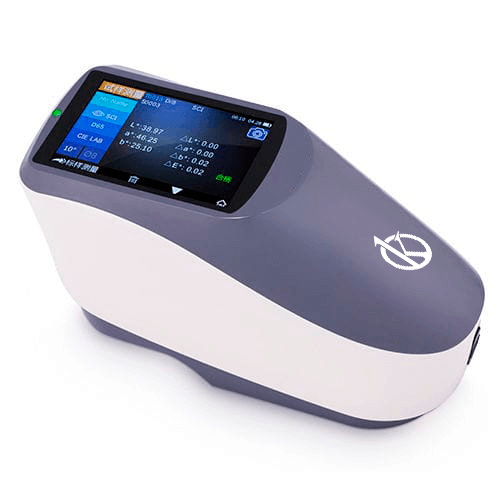
Portable spectrophotometers have become essential tools in various laboratory settings. With advancements in technology, these devices aid in precise color measurement and analysis across multiple applications. However, proper usage is paramount for achieving accurate results. This article discusses common mistakes when operating portable spectrophotometers and how to prevent them, ensuring optimal performance.
What is it used for in 2026
In 2026, portable spectrophotometers are utilized for various applications including color measurement, quality control in manufacturing, and research. They are vital in industries such as paint, textiles, and food and beverage, where color consistency is crucial. These instruments enable users to gauge color differences, ensuring products meet quality standards and customer expectations.
History and evolution of the technology
The evolution of spectrophotometry dates back to the early 19th century when scientists began developing instruments to measure light absorption in solutions. Over the years, technology has advanced significantly. Early models were bulky and limited to laboratory settings, while modern portable spectrophotometers are lightweight, battery-operated, and equipped with advanced digital interfaces for ease of use. This evolution has allowed for broader application across industries, enhancing efficiency and accuracy in color measurement.
How to use it step by step
- Setup: Place the spectrophotometer on a stable surface and ensure that it is charged or connected to a power source.
- Calibration: Before each use, calibrate the device using a standard white reference to ensure measurement accuracy.
- Sample Preparation: Prepare your sample according to the specifications (liquid, solid, or powder), ensuring there are no impurities that could affect the readings.
- Measurement: Place the sample in the designated area of the spectrophotometer, select the appropriate measurement mode, and initiate the reading.
- Data Interpretation: After the measurement, analyze the data presented on the screen, which typically includes color coordinates and reflectance values.
- Documentation: Record the results in a suitable format for quality control or research purposes.
- Cleanup: Clean the sample compartment and any accessories used to prevent cross-contamination for future measurements.
Best techniques and protocols
Utilizing best practices enhances the performance of portable spectrophotometers:
- Routine Calibration: Calibrate the device regularly, following manufacturer guidelines to ensure consistently accurate results.
- Consistent Sample Preparation: Maintain uniformity in sample preparation methods to reduce variability in results.
- Environmental Control: Conduct measurements in controlled lighting conditions to minimize external influences on results.
- Training and Documentation: Ensure all users are trained in proper operation and maintain documentation of measurements for traceability.
Practical applications by laboratory type
Portable spectrophotometers serve various laboratory types:
Quality Control Laboratories
Used for checking color consistency in batches of paint or dye and ensuring compliance with industry standards.
Food and Beverage Labs
Assess the color quality of products such as juices and sauces, ensuring they meet consumer expectations.
Textile Laboratories
Evaluate textile color properties, aiding in dye formulation and quality assurance during production processes.
Environmental Testing Labs
Measure the color and clarity of water samples, ensuring they meet environmental standards.
Regulations, standards and certifications
Portable spectrophotometers must comply with various industry standards. Key regulations include:
- CIE Standards: Adhere to CIE No.15 for color measurement.
- ISO Standards: Follow ISO 7724/1 for color measurement protocols.
- ASTM Standards: Ensure compliance with ASTM E1164 for color measurement methods.
Comparison with alternative technologies
While portable spectrophotometers are popular, alternative technologies exist:
- Colorimeters: Simpler devices that measure the absorbance of specific wavelengths but lack the versatility of spectrophotometers.
- Reflectance Analyzers: Used for specific applications but may not provide the comprehensive data available with spectrophotometers.
Comparison of available models
| Model | Best for | Key specs | Recommended use case |
|---|---|---|---|
| YR05503 | Traffic signs and reflective materials | 20 mm aperture, 45/0 geometry | Used to measure brightness and color coordinates in traffic signs. |
| YR05504 | Precision color analysis | 8 mm and 4 mm apertures, high precision | Ideal for color transmission analysis in laboratory settings. |
| YR05505 | General color quality control | Custom aperture options, cost-effective | Suitable for color transfer and quality control in various industries. |
| YR05500 | UV applications | Bluetooth, dual modes, 8 mm and 4 mm aperture | Used for high-precision measurements in various applications. |
| YR05501 | Color analysis requiring UV | Bluetooth, high precision, 8 mm and 4 mm aperture | Compatible with a variety of brands, useful for diverse applications. |
| YR05502 | Advanced color analysis | Bluetooth, UV, 8 mm/4 mm aperture options | Provides comprehensive data for critical color measurement tasks. |
Common mistakes and how to avoid them
When operating portable spectrophotometers, common mistakes can lead to inaccurate readings:
- Inadequate Calibration: Failing to calibrate before use can result in skewed data. Ensure calibration is performed regularly.
- Incorrect Sample Preparation: Not preparing samples consistently can cause variability. Follow standardized protocols for sample preparation.
- Ignoring Environmental Factors: External light can impact measurements. Conduct tests in controlled lighting conditions.
- Neglecting Maintenance: Skipping routine maintenance can affect instrument performance. Follow maintenance schedules as per the manufacturer’s guidelines.
- Insufficient User Training: Lack of proper training can lead to operational errors. Ensure all users are educated on device functionality.
Maintenance, calibration and good practices 2026
To ensure longevity and accuracy of portable spectrophotometers:
- Regular Calibration: Perform calibration before each significant measurement session.
- Clean the Instrument: After each use, clean the sample compartment and any other areas that may have come into contact with samples.
- Software Updates: Keep the device’s software up to date to benefit from new features and bug fixes.
- Store Properly: Store the spectrophotometer in a protective case in a controlled environment to prevent damage.
Cost-benefit analysis 2026
When evaluating portable spectrophotometers, consider the return on investment (ROI) based on:
- Accuracy: Accurate measurements can prevent costly errors in product quality.
- Efficiency: The speed of obtaining results can enhance operational efficiency.
- Versatility: The ability to measure various materials increases the utility of the instrument.
- Long-term Savings: Investing in high-quality spectrophotometers can reduce the need for frequent replacements and repairs.
Frequently asked questions
What should I look for when choosing a portable spectrophotometer?
When selecting a portable spectrophotometer, consider factors such as measurement range, aperture size options, calibration requirements, and compatibility with your industry-specific standards.
How often should I calibrate my portable spectrophotometer?
It is recommended to calibrate your spectrophotometer before each measurement session or at least daily if measurements are taken frequently.
Can I use a portable spectrophotometer for different materials?
Yes, many portable spectrophotometers are versatile and can be used for various materials, including liquids, solids, and powders, depending on the model specifications.
What common mistakes should I avoid while using the spectrophotometer?
Avoid inadequate calibration, incorrect sample preparation, ignoring environmental factors, neglecting maintenance, and insufficient user training to ensure accurate results.
How do I maintain my portable spectrophotometer?
Regularly calibrate, clean the instrument after each use, keep software updated, and store it properly to maintain its performance and accuracy.
Are there specific standards that my spectrophotometer must meet?
Yes, ensure that your portable spectrophotometer complies with relevant standards such as CIE No.15, ISO 7724/1, and ASTM E1164 for color measurement.
How can I ensure the accuracy of my measurements?
To ensure accuracy, perform regular calibrations, prepare samples consistently, conduct measurements in controlled environments, and maintain the device properly.
If you are looking for a fusion of innovation and quality, you have come to the right place. At Kalstein, we offer you the luxury of exploring our exclusive catalog of laboratory equipment. We manufacture every device to the highest standards of excellence. Our intuitive and seamless online purchasing channels are designed for your convenience, securing the most competitive prices. Hesitate no longer — we bring science to life, it is time to become part of our community.