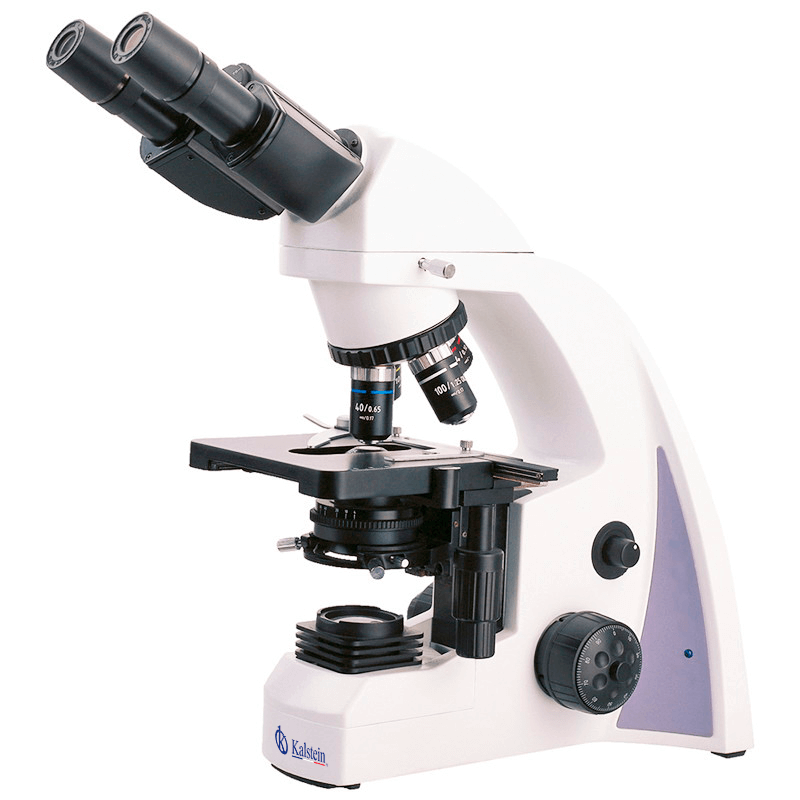
Comparative Analysis: Laboratory Microscopes vs Alternative Technologies
In the realm of laboratory equipment, laboratory microscopes play a crucial role in various scientific fields. Their ability to magnify and resolve intricate details makes them indispensable tools for research and diagnostics. However, as technology evolves, alternative microscopy techniques and tools are emerging, prompting a need for comprehensive comparative analyses. This article delves into the key features, advantages, and limitations of laboratory microscopes compared to alternative technologies available in the market.
Understanding the Types of Laboratory Microscopes
Laboratory microscopes can be categorized into several types, each serving unique purposes across various applications.
- Optical Microscopes: Utilize visible light to magnify samples, commonly used in biological research.
- Electron Microscopes: Employ electron beams, allowing for much higher magnification and resolution.
- Confocal Microscopes: Generate high-resolution images by using point illumination and spatial filtering.
- Fluorescence Microscopes: Use fluorescence instead of reflected light to view samples, ideal for observing specific targets in cells.
Benefits of Laboratory Microscopes
Laboratory microscopes, such as the Laboratory Microscope YR0237-0-1, provide numerous benefits that enhance their usability in various laboratory settings.
- Precision and Accuracy: Microscopes like the YR0237-0-1 offer optical clarity and precision, essential for detailed analysis.
- Versatility: With interchangeable objectives, laboratory microscopes can accommodate different types of samples.
- Ease of Use: Many models are designed with user-friendly controls and ergonomic features, facilitating prolonged usage.
Comparative Analysis with Alternative Technologies
When comparing laboratory microscopes with alternative technologies, several factors come into play, including resolution, cost, and application suitability.
For instance, while electron microscopes deliver superior resolution, they come with higher operational costs and require specialized environments. In contrast, models like the Laboratory Microscope YR0237-1 provide versatile magnification suitable for routine laboratory tasks without incurring extensive operational costs.
Comparison of Available Models
| Model Code | Type | Features | Best for | Price (USD) |
|---|---|---|---|---|
| YR0237-0-1 | Optical Microscope | Binocular head, wide-angle eyepieces, adjustable condenser | Biological research | 437.00 |
| YR0237-1 | Optical Microscope | Wide-field eyepieces, semi-plan objectives, dual-layer mechanical stage | Pathology laboratories | 491.00 |
| YR0237-1-1 | Optical Microscope | Similar to YR0237-1 with slight enhancements | General laboratory use | 448.10 |
| YR03731-1 | Pipette | Fixed volume, ergonomic design | Fluid handling in labs | 13.00 |
| YR03731-2 | Pipette | Fixed volume, low operational force | Sample preparation | 13.00 |
| YR03731-3 | Pipette | Fixed volume, high precision | Quantitative analysis | 13.00 |
Common Mistakes and How to Avoid Them
When selecting laboratory microscopes or alternative technologies, professionals often make several key mistakes. One common error is underestimating the importance of resolution requirements based on specific applications. For example, using a standard optical microscope where an electron microscope is required can lead to inadequate results in research projects.
Additionally, overlooking factors such as ergonomics and ease of use can lead to reduced productivity and increased fatigue among laboratory staff. To avoid these pitfalls, it is crucial to assess the specific needs of laboratory tasks and choose models accordingly.
Frequently Asked Questions
What are the advantages of using Laboratory Microscopes for cellular analysis?
Laboratory microscopes like the YR0237-0-1 allow for detailed cellular analysis due to their high optical magnification. They provide clear images essential for identifying cellular structures, making them ideal for biological research.
How do I choose between an optical microscope and an electron microscope?
The choice depends on your analysis needs. Optical microscopes, such as the YR0237-1, are suitable for general laboratory use, while electron microscopes provide superior resolution for detailed structural studies.
Which alternative technologies can replace traditional laboratory microscopes?
Alternative technologies include digital imaging systems and scanning probe microscopes, which can offer advanced imaging capabilities but may require more complex setups compared to standard laboratory microscopes like the YR0237-1-1.
How does the cost of Laboratory Microscopes compare to alternative imaging systems?
Laboratory microscopes generally have a lower initial investment, around $437 for the YR0237-0-1, compared to alternative imaging systems, which can be substantially more costly, especially electron microscopes.
What features should I prioritize when purchasing a laboratory microscope?
Key features include optical quality, ergonomics, and the range of magnification objectives. Models like the YR0237-1 offer semi-plan optics, beneficial for routine examinations.
How can I ensure accurate calibration of my laboratory microscope?
Regular calibration according to industry standards is critical. Utilize calibration tools and follow manufacturer guidelines, regularly checking models such as the YR0237-0-1 for optimal performance.
What maintenance is required for laboratory microscopes?
Routine maintenance includes cleaning optical components, checking for mechanical issues, and ensuring proper storage conditions to prolong the lifespan of microscopes like the YR0237-1.
Where can I find competitive prices for laboratory microscopes?
Requesting a quote from suppliers or manufacturers is an excellent way to find competitive prices for laboratory microscopes, ensuring you get the best deal for quality equipment.
If you are looking for a fusion of innovation and quality, you have come to the right place. At Kalstein, we offer you the luxury of exploring our exclusive catalog of laboratory equipment. We manufacture every device to the highest standards of excellence. Our intuitive and seamless online purchasing channels are designed for your convenience, securing the most competitive prices. Hesitate no longer — we bring science to life, it is time to become part of our community.