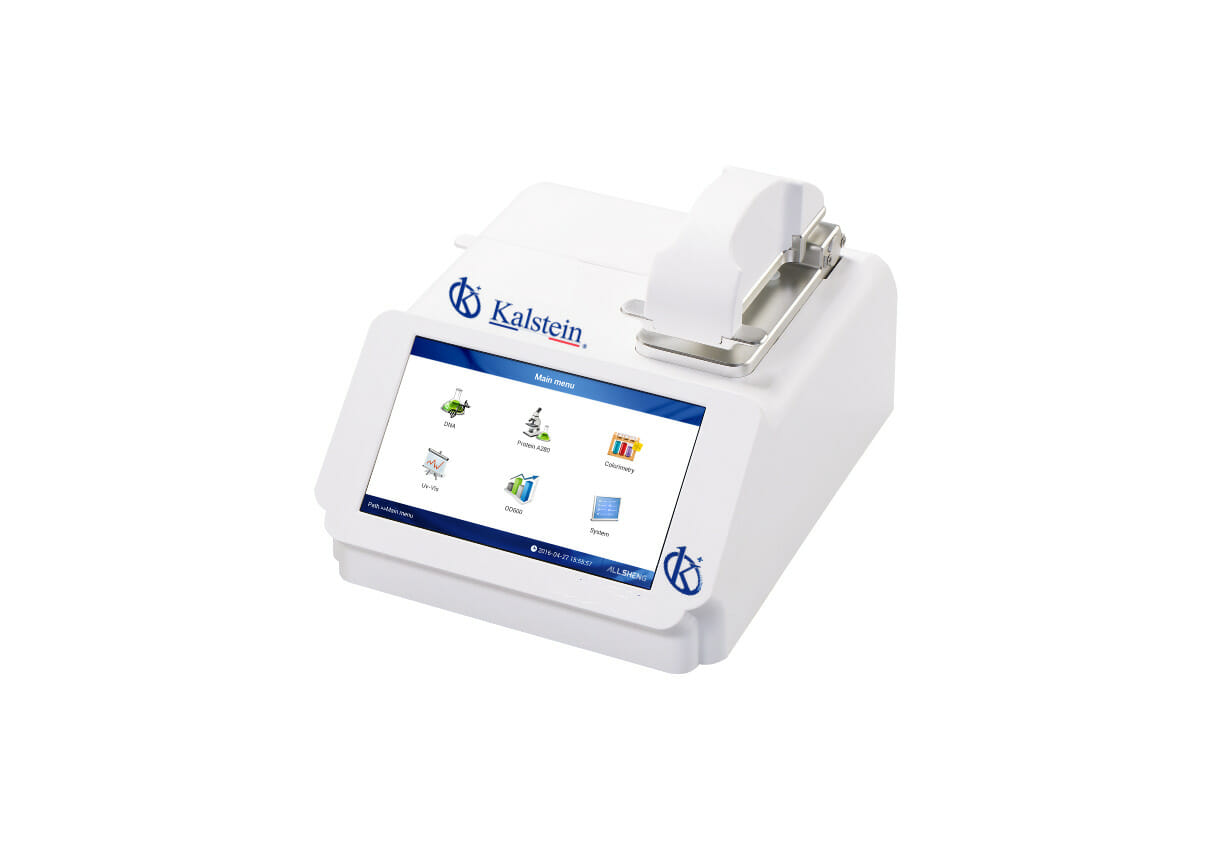
Comparative Analysis of Micro-Spectrophotometers: How Do They Stack Up Against Alternative Technologies?
In the world of laboratory analysis, micro-spectrophotometers are essential tools utilized for measuring concentrations of nucleic acids and proteins. Their precision and speed enable laboratories to conduct various assays efficiently. This article provides a comparative analysis of leading models within the micro-spectrophotometer category, outlining their unique features, technical specifications, and advantages over other analytical technologies.
Micro-Spectrophotometers: Understanding Their Role in Laboratory Analysis
Micro-spectrophotometers operate on the principle of UV-Vis spectroscopy, allowing for the quantification of substances in microvolumes, which is particularly advantageous for research and clinical applications. These instruments are pivotal for analyzing nucleic acids, proteins, and other biomolecules due to their minimal sample requirement and rapid measurement capabilities. In laboratory settings, they facilitate precise assessments of sample purity and concentration, making them indispensable for molecular biology, biochemistry, and related fields.
Comparison of Available Models
| Model | Wavelength Range | Sample Size | Maximum Concentration Detection | Price (USD) | Best For |
|---|---|---|---|---|---|
| YR06033-1 | 200-800 nm | 0.5-2.0 μl | 4500 ng/μl (dsDNA) | 5040.00 | Comprehensive nucleic acid and protein analysis |
| YR06034 | 260 nm, 280 nm | 1-2.0 μl | 2500 ng/μl (dsDNA) | 2520.00 | Basic nucleic acid concentration measurement |
| YR06035 | 200-800 nm | 0.5-2.0 μl | 15000 ng/μl (dsDNA) | 6090.00 | Advanced microbiological analysis |
| YR06033 | 190-1100 nm | 1 μl | 15000 ng/μl (dsDNA) | 7500.00 | Versatile high-precision applications |
How Micro-Spectrophotometers Compare to Alternative Technologies
When comparing micro-spectrophotometers to alternative technologies such as traditional spectrophotometers, fluorometers, or colorimeters, several key factors emerge. Micro-spectrophotometers are specifically designed to work with limited sample volumes, which is a significant advantage over conventional devices that require larger amounts of reagents. Furthermore, the precision of micro-spectrophotometers in measuring nucleic acids and proteins is generally superior, enhancing the accuracy of experimental outcomes.
For instance, the YR06035 model utilizes advanced detection technology that allows for quick assessments of bacterial concentrations, which is especially beneficial in microbiological labs where sample size limitations are prevalent. In contrast, traditional spectrophotometers may struggle with sensitivity at lower concentrations and could lead to inaccuracies in results.
Technical Specifications and Feature Analysis
YR06033-1: Best for Versatile Laboratory Applications
The Micro Spectrophotometer YR06033-1 operates across a broad wavelength range of 200-800 nm, making it highly versatile. Its capability to detect low sample volumes (as low as 0.5 μl) without compromising accuracy makes it suitable for various laboratory tasks. Additionally, its built-in bacterial concentration testing feature expands its utility beyond typical nucleic acid analyses.
YR06034: Ideal for Basic Measurement Needs
The YR06034 micro-spectrophotometer is designed for essential nucleic acid detection tasks, particularly beneficial in educational settings or labs with limited throughput requirements. Its straightforward use, with just 1-2 μl sample size and a price point of $2520, offers an entry-level solution for labs focused on basic research.
YR06035: Advanced Features for Microbiological Studies
This model is engineered with an intuitive Android operating system, allowing seamless operation without external PCs. It excels in measuring bacterial concentrations rapidly and accurately, which is critical for microbiological assays. Its price of $6090 reflects its advanced capabilities and broader application spectrum.
YR06033: A Comprehensive Tool for High Precision
At the premium end, YR06033 offers extensive capabilities and is ideal for high-throughput laboratories requiring instant and precise analysis of various substances. Its broad wavelength range and advanced detection methods enable it to perform complex assays with ease, justifying its higher cost of $7500.
Common Mistakes and How to Avoid Them
In selecting a micro-spectrophotometer, many labs make the mistake of purchasing equipment without fully understanding their specific needs. It is crucial to assess the types of analyses to be conducted and the volume of samples typically processed. For instance, a lab frequently analyzing low concentrations of nucleic acids should opt for models like YR06035 or YR06033-1, which offer superior sensitivity and rapid measurement times.
Another common error is neglecting to consider the integration capabilities of the instruments. The ability to connect with laboratory information management systems (LIMS) can significantly enhance workflow efficiency. Labs should ensure that the chosen model supports the necessary protocols for data transfer and analysis.
Frequently Asked Questions
What factors should I consider when choosing a micro-spectrophotometer for my lab?
When selecting a micro-spectrophotometer, consider the wavelength range, sample size requirements, detection limits, and whether the model meets the specific assays you intend to perform. Models like YR06034 are ideal for basic needs, while YR06035 offers advanced features for complex analyses.
How does the YR06035 compare to other micro-spectrophotometers in terms of sensitivity?
The YR06035 boasts a sensitivity range capable of detecting nucleic acids up to 15000 ng/μl, which is superior to many other models. Its advanced technology allows for quick and accurate measurement, making it a top choice for high-precision microbiological applications.
Which micro-spectrophotometer is best for educational purposes?
The YR06034 is an excellent choice for educational institutions due to its user-friendly interface and lower price point of $2520. It meets essential requirements for nucleic acid concentration assessments, making it suitable for teaching laboratories.
How can I improve the accuracy of my micro-spectrophotometer readings?
Improving accuracy can be achieved by ensuring proper calibration of the device and using high-quality sample materials. Regular maintenance and following best practices for sample handling will also enhance the reliability of models like YR06033-1 and YR06035.
What are the main advantages of using micro-spectrophotometers over traditional methods?
Micro-spectrophotometers, such as the YR06033, require much smaller sample volumes and provide faster results compared to traditional spectrophotometers. This efficiency is particularly beneficial in labs with limited samples or those requiring rapid throughput for assays.
How does sample size affect the performance of micro-spectrophotometers?
Sample size directly influences the sensitivity and accuracy of readings. Micro-spectrophotometers like the YR06035 excel with small samples (0.5-2 μl), allowing for precise measurements even at low concentrations, which is critical for accurate analysis in molecular biology.
In what scenarios should I consider using a micro-spectrophotometer?
Micro-spectrophotometers are ideal for scenarios involving nucleic acid and protein analysis, especially in research fields where sample volume is limited. They are particularly useful in molecular biology, biochemistry, and clinical diagnostics, making models like YR06034 essential tools in these environments.
If you are looking for a fusion of innovation and quality, you have come to the right place. At Kalstein, we offer you the luxury of exploring our exclusive catalog of laboratory equipment. We manufacture every device to the highest standards of excellence. Our intuitive and seamless online purchasing channels are designed for your convenience, securing the most competitive prices. Hesitate no longer — we bring science to life, it is time to become part of our community.