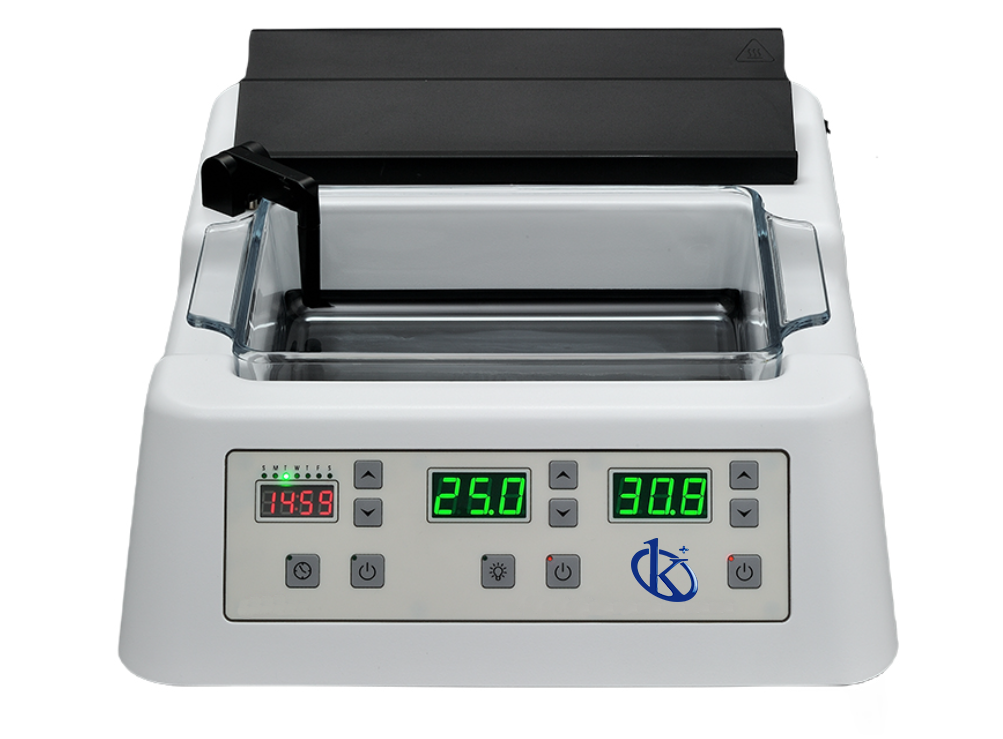
Comparative Analysis of Tissue Flotation Technologies: Choosing the Right Model for Your Laboratory
Tissue flotation is an essential process in pathology, playing a critical role in preparing tissue samples for microscopic examination. The choice of flotation workstation can significantly impact the efficiency and accuracy of tissue processing. In this article, we will conduct a detailed comparative analysis of various tissue flotation technologies available on the market, focusing on their specifications, advantages, and how they meet the specific needs of laboratory professionals.
Understanding Tissue Flotation Technologies
Tissue flotation workstations are designed to support the delicate process of floating tissue sections on water baths, facilitating the transfer of samples onto slides while minimizing damage. These workstations often incorporate features such as temperature control, memory functions, and slide drying capabilities, which are integral to their functionality. In this comparative analysis, we will focus on models YR457-1, YR456, YR457, and YR457, examining their specifications and operational benefits.
Comparison of Available Models
| Model | Temperature Control Range | Power (W) | Automatic Memory Functions | Best for |
|---|---|---|---|---|
| YR457-1 | RT - 70℃; RT - 100℃ | 400 | Yes | High-volume laboratories requiring precise temperature control |
| YR456 | RT - 70℃; RT - 100℃ | 400 | Yes | Laboratories needing dual heating tanks for efficient sample processing |
| YR457 | RT - 70℃; RT - 100℃ | 400 | Yes | Facilities focused on maximizing throughput with minimal downtime |
| YR457-1 | RT - 70℃; RT - 100℃ | 400 | Yes | Versatile applications in clinical and research environments |
Key Features to Consider in Tissue Flotation Workstations
When selecting a tissue flotation workstation, several key features should be prioritized to ensure optimal performance and usability:
- Temperature Control: A precise temperature control system is crucial for maintaining sample integrity during the flotation process. Models like YR457-1 offer a temperature range of RT to 70℃ with a precision of ±2℃, making them ideal for sensitive applications.
- Automatic Memory Functions: Automatic memory ensures that preset temperature settings are retained, allowing for quick recovery and consistency across multiple sessions. All models reviewed offer this feature.
- Efficiency and Throughput: Workstations such as YR456, with independent heating tanks, can significantly reduce processing times, essential for high-volume laboratories.
Common Mistakes and How to Avoid Them
Selecting the right tissue flotation workstation involves understanding the laboratory’s specific needs and avoiding common pitfalls. Here are some mistakes to watch out for:
- Ignoring Temperature Stability: Temperature fluctuations can compromise sample quality. Ensure that the chosen model maintains steady temperatures within specified ranges, such as the RT to 70℃ offered by YR457 models.
- Neglecting Memory Functions: Not considering models with automatic memory can lead to inconsistencies and inefficient workflow. Choose options like YR456 that provide easy program restoration.
- Overlooking Power Requirements: Not evaluating the power needs can lead to operational delays. Verify that the workstation complies with your laboratory's available power supply.
Factors Influencing the Decision-Making Process
Choosing a tissue flotation workstation is a decision influenced by various factors, including budget constraints, the volume of samples processed, and the specific requirements for sample preservation. For instance, the YR456, priced at $800, offers a cost-effective solution for facilities that require dual water baths without sacrificing functionality. On the other hand, the YR457-1, at $1200, is suited for laboratories that prioritize advanced features and enhanced control.
Understanding Operational Efficiency
Operational efficiency is paramount in laboratory settings, particularly when dealing with high sample volumes. The choice of a flotation workstation can affect both processing time and the potential for operator errors. Models like YR457 promote efficiency through their streamlined controls and integrated slide drying functions, which allow for quick transitions between processing steps.
Technical Comparison of Models
In a technical comparison of the models, we can observe distinctions that may influence the final choice. Below is a detailed breakdown of the specifications of each model:
| Model | Dimensions (mm) | Weight (kg) | Price (USD) |
|---|---|---|---|
| YR457-1 | 460×310×135 | 6 | 1200 |
| YR456 | 155×155 | 2.5 | 800 |
| YR457 | 210×170×60 | 5 | 900 |
| YR457-1 | 460×310×135 | 6 | 1200 |
Frequently Asked Questions
How do I choose the best tissue flotation workstation for my laboratory needs?
To choose the best tissue flotation workstation, consider the volume of samples, specific temperature control requirements, and your budget. Models like YR456 offer a balance of features and cost, making them suitable for various laboratory needs.
What are the advantages of having automatic memory functions in flotation workstations?
Automatic memory functions, as seen in models like YR457, allow for quick recovery of preset temperatures, minimizing downtime and ensuring consistency during sample processing, which is crucial in high-throughput settings.
Which tissue flotation workstation is the most energy-efficient?
While all models are designed for efficiency, the YR456 is particularly noted for its energy-saving features while maintaining effective temperature controls, making it a superior choice for cost-conscious laboratories.
What temperature range should I look for in tissue flotation workstations?
It is essential to choose a workstation with a temperature range of RT to 70℃, as offered by models like YR457, to ensure proper handling of various tissue samples without compromising their integrity.
How do slide drying functions impact the workflow in tissue preparation?
Slide drying functions integrated into models like YR457 facilitate quick transitions between processing stages, reducing overall processing time and increasing laboratory efficiency, especially in busy environments.
What is the price range for high-quality tissue flotation workstations?
The price range for quality tissue flotation workstations varies from $800 for models like YR456 to $1200 for more advanced models like YR457-1, depending on features and specifications.
How can I ensure effective temperature control in my tissue flotation workstation?
To ensure effective temperature control, choose a model such as the YR457 that provides ±2℃ precision and incorporates automatic memory functions, allowing consistent operation across multiple sessions.
What features should I prioritize for high-volume tissue processing?
For high-volume tissue processing, prioritize features such as dual heating tanks, automatic memory functionalities, and efficient slide drying capabilities, as found in the YR456 model.
If you are looking for a fusion of innovation and quality, you have come to the right place. At Kalstein, we offer you the luxury of exploring our exclusive catalog of laboratory equipment. We manufacture every device to the highest standards of excellence. Our intuitive and seamless online purchasing channels are designed for your convenience, securing the most competitive prices. Hesitate no longer — we bring science to life, it is time to become part of our community.