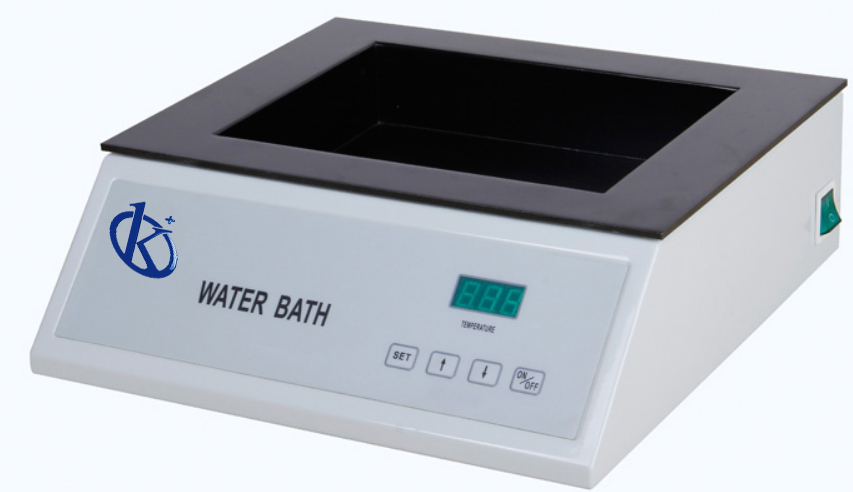
How to Ensure Compliance with ISO/IEC Standards Using Tissue Water Baths
Tissue water baths are vital in laboratory settings, particularly within the realm of pathological anatomy. Their role extends beyond simple temperature control; they significantly contribute to ensuring compliance with ISO/IEC standards, namely ISO 17025 and ISO 15189. In this article, we will delve into the nuances of these standards and how different models of tissue water baths can facilitate compliance. We will compare key models on the market, highlight common mistakes, and answer frequently asked questions regarding their use in laboratory environments.
Understanding ISO/IEC Standards and Their Relevance
The International Organization for Standardization (ISO) and the International Electrotechnical Commission (IEC) set forth standards that laboratories must adhere to in order to ensure quality and reliability in testing processes. ISO 17025 focuses on the competence of testing and calibration laboratories, while ISO 15189 is specifically tailored for medical laboratories. Both standards require rigorous documentation, process control, and traceability of results.
Tissue water baths play a critical role in meeting these requirements by providing controlled environments for sample preparation, ensuring temperature consistency, and maintaining equipment accuracy. Compliance is not merely about adhering to the standards but also about demonstrating continuous quality improvement through effective monitoring and documentation. This is where the features of specific models come into play.
Compliance with ISO 17025 Standards
ISO 17025 requires laboratories to demonstrate their capability to produce valid and reliable results. Tissue water baths must meet specific criteria in terms of temperature accuracy and maintenance. For instance, models like the YR449 and YR451 offer ±1℃ temperature control precision, vital for maintaining sample integrity.
Documentation and Record Keeping
Documenting the performance of tissue water baths is crucial under ISO 17025. Laboratories should maintain records of calibration, maintenance schedules, and operational logs. The ability of models like YR452 to provide digital displays facilitates real-time monitoring, enhancing traceability.
Compliance with ISO 15189 Standards
ISO 15189 emphasizes the importance of quality management systems in medical laboratories. This involves having protocols that ensure the reliability of results. Tissue water baths must be incorporated into these quality management systems, ensuring that they are regularly calibrated and maintained. Using models with automatic memory functions, such as the YR449, aids in compliance by ensuring preset temperatures and operational parameters are consistently followed.
Temperature Control and Consistency
ISO 15189 requires medical laboratories to ensure that instruments used for testing are adequately controlled and monitored. The YR451 model, with its LED display for real-time temperature monitoring, is an exemplary tool that aids in fulfilling this requirement.
Comparison of Available Models
| Model | Temperature Control Range | Precision | Best for | Price (USD) |
|---|---|---|---|---|
| YR449 | RT to 90 ℃ | ±1℃ | General tissue processing | 400.00 |
| YR451 | 0 to 85 ℃ | ±1℃ | Medical lab applications | 800.00 |
| YR452 | RT to 75 ℃ | ±1℃ | Sample preparation for histology | 950.00 |
Common Mistakes and How to Avoid Them
Many laboratories overlook the importance of regular maintenance and calibration of tissue water baths. A prevalent mistake is failing to document temperature checks and calibration results, which are essential for compliance with ISO standards. Another common issue is using outdated models that do not provide the necessary precision or features required for modern laboratory settings.
It is crucial to select models that offer automatic memory functions and precise temperature control. Additionally, training laboratory personnel on proper usage and maintenance protocols helps to mitigate these errors. Regular audits and updates to operational protocols can ensure that laboratories remain compliant with ISO/IEC standards.
Frequently Asked Questions
How can a tissue water bath help meet ISO 17025 compliance?
A tissue water bath like the YR449, with precise temperature control, supports ISO 17025 compliance by ensuring accurate and reliable results. Regular calibration and documentation of temperature settings enhance traceability, which is crucial for compliance.
What features should I look for in a compliant tissue water bath?
When selecting a tissue water bath, look for features such as precise temperature control (±1℃ accuracy), automatic memory functions, and real-time monitoring, as offered by models like the YR451. These ensure compliance with ISO/IEC standards.
Which tissue water bath model is best for ISO 15189 standards?
The YR451 is highly recommended for ISO 15189 compliance due to its real-time monitoring capabilities and precise temperature control, which are essential for reliable medical laboratory results.
How often should tissue water baths be calibrated for compliance?
Tissue water baths should be calibrated regularly, at least annually or as specified by the manufacturer. Models like YR449 facilitate easy calibration, essential for maintaining ISO compliance.
What documentation is needed for using a tissue water bath?
Documentation should include calibration records, maintenance logs, and operational validation results. This is critical for compliance with ISO standards and ensures traceability in laboratories using models like the YR452.
How does temperature precision affect laboratory results?
Temperature precision, such as the ±1℃ offered by YR451, directly affects the accuracy and reliability of laboratory results. Non-compliance in this area can lead to erroneous findings and jeopardize ISO/IEC compliance.
What common errors occur in water bath operations?
Common errors include neglecting regular maintenance and improper calibration. Using models like the YR449 can help minimize these errors through automatic memory and monitoring features.
How do tissue water baths impact laboratory efficiency?
Tissue water baths improve laboratory efficiency by providing consistent temperature control, reducing processing time for sample preparation. Models like YR451 enhance this efficiency through user-friendly operational features.
If you are looking for a fusion of innovation and quality, you have come to the right place. At Kalstein, we offer you the luxury of exploring our exclusive catalog of laboratory equipment. We manufacture every device to the highest standards of excellence. Our intuitive and seamless online purchasing channels are designed for your convenience, securing the most competitive prices. Hesitate no longer — we bring science to life, it is time to become part of our community.