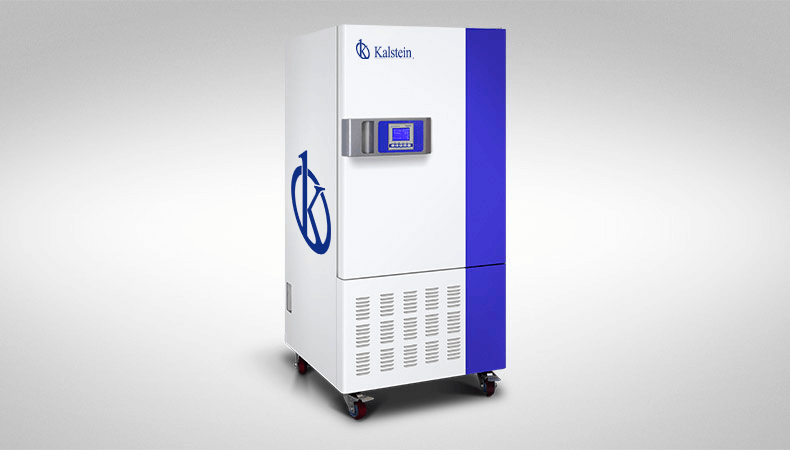
Comprehensive Drug Stability Test Chambers: Best Techniques and Protocols 2026
What is it used for in 2026
Comprehensive Drug Stability Test Chambers are essential for evaluating the stability of pharmaceuticals by simulating various environmental conditions, such as temperature, humidity, and light exposure. In 2026, they are primarily used for:
- Conducting accelerated stability tests to predict the shelf-life of new pharmaceutical products.
- Performing long-term stability studies to ensure product safety and efficacy.
- Providing controlled environments for high humidity and strong light exposure tests.
- Meeting regulatory requirements set by health authorities for drug product approval.
History and evolution of the technology
The development of drug stability testing chambers dates back several decades when the importance of environmental factors on drug efficacy became clear. Early models were simplistic and only controlled temperature. Over time, the technology evolved to incorporate humidity and light control. The introduction of microprocessor-based systems in the 2000s allowed for precise control and monitoring, revolutionizing stability testing in laboratories.
By 2026, advancements include more energy-efficient systems, enhanced data logging capabilities, and improved user interfaces, allowing lab professionals to conduct experiments with greater accuracy and ease.
How to use it step by step
- Select the appropriate model: Based on your specific testing needs, choose from the models available, such as YR05354, YR05355, or YR05356.
- Prepare your samples: Place the pharmaceutical products in the chamber, ensuring they are properly labeled and organized.
- Set environmental parameters: Program the required temperature, humidity, and light settings based on your test protocol.
- Initiate the testing cycle: Start the chamber, allowing it to reach the specified conditions before beginning the test.
- Monitor conditions: Continuously track temperature and humidity through the chamber's display or data logging system.
- Document observations: Record any changes or findings during the testing period for later analysis.
- Analyze results: After completing the test cycle, evaluate the stability data and report findings according to regulatory guidelines.
Best techniques and protocols
In 2026, the best practices for using Comprehensive Drug Stability Test Chambers include:
- Utilizing standardized testing protocols as defined by the International Council for Harmonisation (ICH).
- Employing rigorous calibration procedures for the chamber to maintain accuracy in environmental conditions.
- Regularly training laboratory personnel on the latest methodologies and chamber functionalities.
- Implementing a robust data management system to track and analyze stability studies efficiently.
Practical applications by laboratory type
The applications of Comprehensive Drug Stability Test Chambers can vary across different laboratory environments:
- Pharmaceutical Research Labs: Used for developing and testing new drug formulations to ensure stability before market release.
- Quality Control Labs: Employed to verify existing products meet stability specifications and regulatory compliance.
- Academic Institutions: Used to conduct research studies focusing on drug formulation and stability under various conditions.
Regulations, standards and certifications
Compliance with regulations is critical when using Comprehensive Drug Stability Test Chambers. Key standards include:
- ICH Q1A (R2) for stability testing guidelines.
- Good Manufacturing Practices (GMP) related to pharmaceutical manufacturing.
- ISO 17025 for laboratory testing and calibration standards.
Comparison with alternative technologies
When comparing Comprehensive Drug Stability Test Chambers to alternative technologies, consider the following:
- Environmental Test Chambers: While they provide similar functionalities, drug stability chambers are specifically designed for pharmaceutical testing, offering greater precision in humidity and light control.
- Accelerated Aging Systems: These systems can simulate aging effects but may not provide the same level of control over environmental variables as dedicated stability chambers.
Comparison of available models
| Model | Best for | Key specs | Recommended use case |
|---|---|---|---|
| YR05354 | Long-term stability studies | Temperature: 10~65°C, Humidity: 50~90% HR | Ideal for pharmaceutical companies testing new medications. |
| YR05355 | Accelerated stability testing | Temperature accuracy: 0.1°C, Humidity fluctuation: ±3% HR | Best for quick assessments of drug formulations. |
| YR05356 | High humidity and light exposure tests | Lighting range: 0~6000LX | Used for products sensitive to light or moisture. |
Common mistakes and how to avoid them
Common errors in using Comprehensive Drug Stability Test Chambers include:
- Inaccurate calibration: Regularly calibrate the chamber to avoid discrepancies in data.
- Poor sample preparation: Ensure samples are properly packaged and labeled to prevent contamination.
- Neglecting environmental fluctuations: Always monitor and log environmental conditions during testing.
Maintenance, calibration and good practices 2026
To ensure optimal performance of Comprehensive Drug Stability Test Chambers, follow these maintenance practices:
- Conduct monthly calibrations to verify temperature and humidity settings.
- Clean the interior and exterior surfaces regularly to prevent contamination.
- Perform routine checks on the chamber’s cooling and lighting systems to ensure proper functioning.
Cost-benefit analysis 2026
Investing in Comprehensive Drug Stability Test Chambers offers numerous benefits:
- Enhances product safety and efficacy, potentially reducing costly recalls.
- Supports compliance with regulatory requirements, preventing legal issues.
- Improves laboratory efficiency through automated monitoring systems.
Frequently asked questions
How do I choose the right stability test chamber for my laboratory?
Consider your specific testing needs, such as the range of conditions you need to simulate, and choose a model with adequate specifications that meet your requirements.
What are the most critical parameters to monitor during stability testing?
The most critical parameters include temperature, humidity, and light exposure, as these factors significantly impact drug stability.
Can I use these chambers for non-pharmaceutical products?
While primarily designed for pharmaceuticals, these chambers can be used for other products that require controlled environmental conditions, such as cosmetics or food products.
What maintenance do stability test chambers require?
Regular calibration, cleaning, and performance checks of cooling and lighting systems are necessary to ensure the chambers operate effectively.
How long should a stability test run?
The duration of stability tests can range from weeks to years, depending on the specific requirements outlined by regulatory guidelines.
What should I do if my chamber does not maintain the set conditions?
If the chamber fails to maintain the desired conditions, check for calibration issues or mechanical failures, and consult the manufacturer for troubleshooting advice.
Where can I request a quote for purchasing a stability test chamber?
You can request a quote through our website or contact our sales team to find the best solution for your laboratory needs.
If you are looking for a fusion of innovation and quality, you have come to the right place. At Kalstein, we offer you the luxury of exploring our exclusive catalog of laboratory equipment. We manufacture every device to the highest standards of excellence. Our intuitive and seamless online purchasing channels are designed for your convenience, securing the most competitive prices. Hesitate no longer — we bring science to life, it is time to become part of our community.