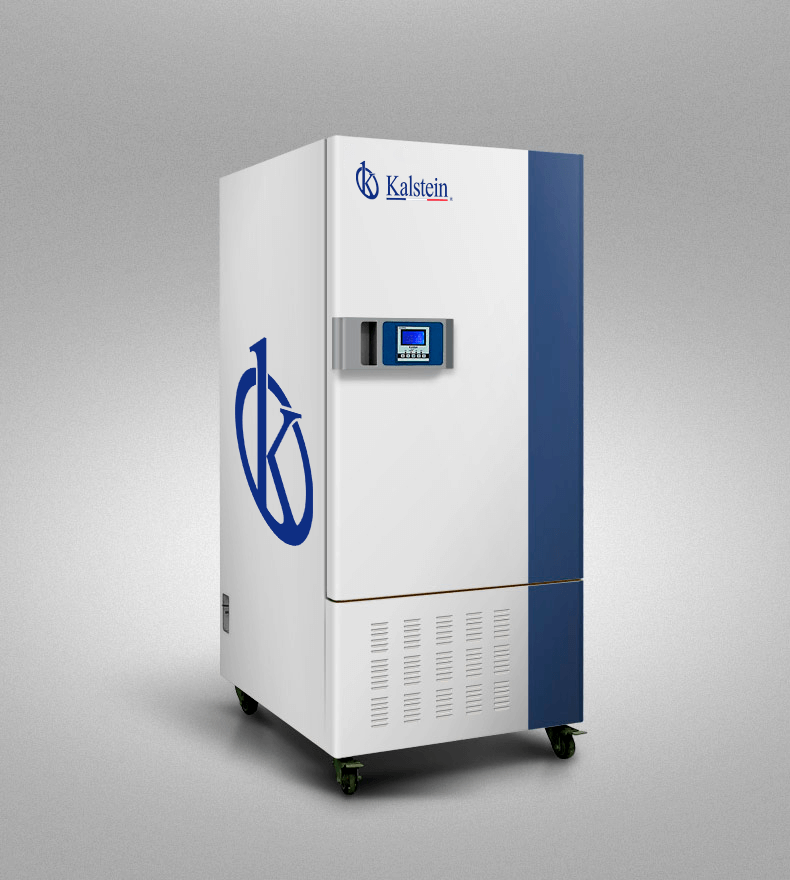
Constant Temperature and Humidity Chambers: LIMS Integration and Data Flow Digitalization 2026
As laboratories evolve towards higher efficiency and data accuracy, the integration of Constant Temperature and Humidity Chambers with Laboratory Information Management Systems (LIMS) has become imperative. This article delves into the essential features and models available in the market, focusing on their roles in data flow digitalization.
Understanding Constant Temperature and Humidity Chambers
Constant Temperature and Humidity Chambers are vital in numerous laboratory settings, primarily for experiments requiring controlled environmental conditions. The ability to maintain consistent temperature and humidity levels is crucial for sample integrity and reliable results. In 2026, the emphasis on integrating these chambers with LIMS is driven by the need for enhanced data tracking, management, and compliance with regulatory standards.
Integration with LIMS and the Importance of Digital Data Flow
Integrating Constant Temperature and Humidity Chambers with LIMS facilitates seamless data management, enabling labs to monitor and record environmental conditions in real-time. This integration ensures traceability, easy access to historical data, and compliance with regulatory standards like ISO 17025. Digital data flows provide insights into trends and anomalies, assisting researchers in making informed decisions regarding their experiments.
Key Features to Look for in Constant Temperature and Humidity Chambers
When selecting a Constant Temperature and Humidity Chamber, consider features such as adaptive temperature control systems, high-efficiency insulation technology, and robust monitoring capabilities. These features not only enhance the reliability of the chambers but also support their integration with LIMS, facilitating smooth data exchanges.
Comparison of Available Models
| Model | Temperature Range (°C) | Humidity Range | Price (USD) | Best for |
|---|---|---|---|---|
| YR05334 | 0-60 | 40-95% | 1870.00 | Long-term experiments |
| YR05335 | 0-60 | 40-95% | 2220.00 | Pharmaceutical research |
| YR05336 | 0-60 | 40-95% | 3140.00 | Plant cultivation |
| YR05337 | 0-60 | 40-95% | 1900.00 | Sample testing |
| YR05338 | 0-60 | 40-95% | 2250.00 | Microorganism growth |
| YR05339 | 0-60 | 40-95% | 3180.00 | General research |
Common Mistakes and How to Avoid Them
One common mistake when integrating Constant Temperature and Humidity Chambers with LIMS is neglecting the need for compatibility in connectivity protocols. Ensure that the chosen chamber supports standard interfaces, such as ASTM or HL7, to facilitate data integration. Additionally, overlooking the importance of calibration can lead to inaccuracies; thus, regular calibration according to manufacturer specifications is crucial for reliable operation.
Frequently Asked Questions
How can I ensure my constant temperature chamber is LIMS compliant in 2026?
To ensure compliance, select models like YR05334 that offer connectivity support for standard data protocols, enabling integration with LIMS systems. Regular audits of the data flow and automated reporting features also support compliance with ISO standards in 2026.
What features should I prioritize for data flow digitalization in constant humidity chambers?
Focus on models like YR05337 that provide real-time monitoring capabilities, adaptive temperature control, and robust data logging functions. These features enhance digital integration with LIMS and streamline data management processes.
Which constant temperature chamber is best for long-term experiments in 2026?
The YR05336 model is ideal for long-term experiments due to its consistent temperature control and wide humidity range. Its capabilities facilitate effective integration with LIMS for continuous data monitoring and analysis.
How does LIMS integration improve laboratory efficiency with constant humidity chambers?
LIMS integration improves efficiency by automating data collection, ensuring real-time data access, and facilitating compliance reporting. Models such as YR05335 enhance these processes by simplifying data transfer and analysis, critical in busy laboratory environments.
What is the typical cost range for constant temperature and humidity chambers in 2026?
The cost of constant temperature and humidity chambers typically ranges from $1870 for models like YR05334 to over $3000 for advanced models like YR05339. The investment correlates with features that enhance LIMS integration.
How often should I calibrate constant humidity chambers for optimal performance?
Regular calibration of constant humidity chambers should occur every 6 to 12 months, depending on usage. Models like YR05338 have detailed calibration protocols that ensure they remain within specified operational ranges, which is essential for compliance.
What are the energy consumption levels of constant temperature chambers?
Energy consumption can vary; however, optimal models like YR05339 are designed with energy efficiency in mind. An average chamber may consume between 300-500 kWh annually, depending on usage and environmental factors.
Which constant temperature model offers the best value for performance in 2026?
The YR05334 model stands out for its balance of affordability and performance, priced at $1870. It provides essential features necessary for effective LIMS integration, making it a cost-effective choice for laboratories.
If you are looking for a fusion of innovation and quality, you have come to the right place. At Kalstein, we offer you the luxury of exploring our exclusive catalog of laboratory equipment. We manufacture every device to the highest standards of excellence. Our intuitive and seamless online purchasing channels are designed for your convenience, securing the most competitive prices. Hesitate no longer — we bring science to life, it is time to become part of our community.