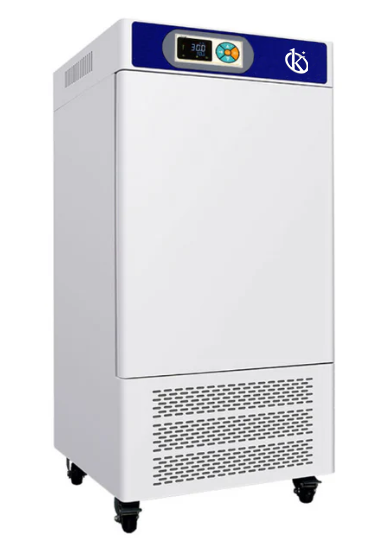
Constant Temperature and Humidity Incubators: Energy Sustainability and Environmental Footprint Reduction
In the contemporary landscape of laboratory operations, the focus on energy sustainability and minimizing environmental footprints has become paramount. Constant temperature and humidity incubators play a crucial role in achieving these goals. These incubators are not only essential for various scientific applications but also contribute significantly to reducing energy consumption and promoting a sustainable operational approach in laboratories. This article delves into the technical specifications and operational efficiencies of different models, highlighting the critical attributes that align with energy sustainability and environmental responsibility.
Understanding the Importance of Energy Sustainability in Laboratories
Energy sustainability in laboratory settings involves utilizing resources efficiently while minimizing waste and environmental impact. Constant temperature and humidity incubators, crucial for experiments across biology, medicine, and environmental sciences, must be designed with energy efficiency in mind. A focus on energy sustainability can lead to lower operational costs, reduced carbon footprints, and compliance with environmental regulations.
Comparison of Available Models
| Model | Temperature Range (°C) | Power Consumption (kW) | Best For |
|---|---|---|---|
| YR02053 | 0 ~ 60 | 0.4 | Environmental protection, medicine |
| YR02054 | 0 ~ 60 | 0.6 | Aquaculture, scientific research |
| YR02055 | 0 ~ 60 | 0.8 | Biological engineering, water analysis |
Energy Efficiency and Its Role in Reducing Environmental Footprint
Energy consumption is a vital metric for laboratories aiming to minimize their environmental impact. By selecting incubators with lower power requirements, such as the YR02053, with a power consumption of just 0.4 kW, laboratories can significantly reduce their overall energy footprint. This reduction not only decreases operational costs but also aligns with global sustainability goals.
Technical Features That Enhance Energy Sustainability
Incorporating advanced technologies such as automatic defrosting and environmental protection mechanisms, models like YR02054 enhance energy efficiency. These features not only maintain optimal conditions for experiments but also lower energy usage, supporting labs in their quest for sustainable practices.
Lifecycle Analysis of Constant Temperature and Humidity Incubators
Conducting a lifecycle analysis of the incubators provides insight into their environmental impact. From manufacturing to disposal, understanding each phase can help labs choose models that offer lower emissions and waste. For example, the YR02055 is designed with stainless steel interiors, promoting longevity and reducing the need for replacements.
Common Mistakes and How to Avoid Them
Many laboratories overlook the importance of energy specifications when selecting incubators. Failing to consider models with lower power consumption can lead to increased operational costs and a larger environmental footprint. It's essential to evaluate energy metrics and choose equipment that aligns with sustainability goals. Additionally, regular maintenance is crucial to ensure that systems operate efficiently.
Frequently Asked Questions
What are the energy consumption levels of constant temperature and humidity incubators in 2026?
The energy consumption of models like YR02053, which operates at 0.4 kW, highlights their efficiency and contribution to energy sustainability goals in laboratory settings as of 2026.
How can constant temperature and humidity incubators reduce my lab’s environmental footprint?
By selecting energy-efficient models such as YR02054, which operates at 0.6 kW, laboratories can significantly lower their carbon emissions and minimize energy waste, effectively reducing their overall environmental impact.
What features should I look for in an incubator for energy sustainability?
Look for features such as automatic defrost and low power consumption, as seen in YR02053. These attributes not only ensure optimal performance but also enhance energy efficiency and sustainability.
How do different models of incubators compare in terms of energy efficiency?
Models like YR02053 consume less power (0.4 kW) compared to YR02055 (0.8 kW), making them more suitable for labs focused on energy sustainability while maintaining operational effectiveness.
What is the best model for aquaculture research regarding energy efficiency?
The YR02054 is ideal for aquaculture research due to its efficient power consumption of 0.6 kW, which helps maintain optimal conditions while minimizing energy usage.
Are there significant cost differences between models based on energy efficiency?
Yes, more energy-efficient models, such as YR02053, can lead to lower operational costs over time compared to less efficient models, supporting long-term sustainability strategies.
What impact does regular maintenance have on incubator energy consumption?
Regular maintenance ensures that incubators, like YR02054, operate at optimal efficiency, thereby reducing energy consumption and extending the lifespan of the equipment.
How can I ensure compliance with energy regulations using incubators?
Selecting models such as YR02055, which adhere to energy efficiency standards, helps laboratories remain compliant with environmental regulations while promoting sustainability.
If you are looking for a fusion of innovation and quality, you have come to the right place. At Kalstein, we offer you the luxury of exploring our exclusive catalog of laboratory equipment. We manufacture every device to the highest standards of excellence. Our intuitive and seamless online purchasing channels are designed for your convenience, securing the most competitive prices. Hesitate no longer — we bring science to life, it is time to become part of our community.