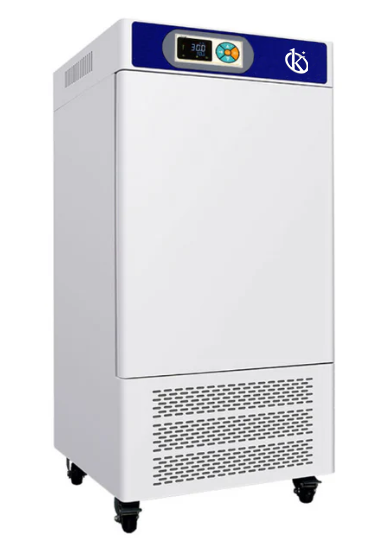
Constant Temperature and Humidity Incubators: Practical Guide for 2026
What is it used for in 2026
In 2026, Constant Temperature and Humidity Incubators are vital tools in various laboratory settings, primarily used for maintaining specific temperature and humidity levels for biological and chemical processes. These incubators provide controlled environments necessary for tasks such as:
- Cell Culture: Cultivating microorganisms and cell lines under optimal conditions.
- Biological Research: Conducting experiments that require steady environmental conditions.
- Pharmaceutical Testing: Performing stability tests and drug formulation development.
- Agricultural Research: Testing seed germination and plant growth under controlled conditions.
- Environmental Studies: Simulating climate conditions for ecological research.
History and evolution of the technology
The evolution of Constant Temperature and Humidity Incubators dates back to early laboratory practices where temperature fluctuations could drastically affect experimental outcomes. Initially, simple heating devices were used, but advancements in technology have led to the development of sophisticated incubators equipped with digital controls and monitoring systems. Key milestones in the technology include:
- 1920s: Introduction of basic incubators for agricultural purposes.
- 1960s: The integration of electrical temperature and humidity sensors, allowing for more precise control.
- 1980s: Development of programmable incubators with digital displays.
- 2000s: Advanced models featuring automatic data logging and remote monitoring capabilities.
How to use it step by step
Using a Constant Temperature and Humidity Incubator involves several steps to ensure accurate results. Here’s a step-by-step guide:
- Preparation: Ensure the incubator is clean and free from contaminants.
- Loading Samples: Carefully place samples inside the incubator, ensuring adequate spacing for air circulation.
- Setting Parameters: Program the desired temperature and humidity levels using the control panel.
- Calibration: Run a calibration check to ensure sensors are reading accurately.
- Monitoring: Regularly check the display panel for any fluctuations in temperature and humidity.
- Documentation: Record all relevant data throughout the incubation period for future reference.
Best techniques and protocols
Employing best practices is crucial for maximizing the efficiency of Constant Temperature and Humidity Incubators. Techniques include:
- Regular Calibration: Schedule routine calibrations to maintain accuracy.
- Data Logging: Use automated data logging features to track environmental changes.
- Preventive Maintenance: Establish a routine cleaning and maintenance protocol to avoid contamination and equipment failure.
- Sample Rotation: If applicable, rotate samples during incubation to ensure even exposure to environmental conditions.
Practical applications by laboratory type
Different laboratory types utilize Constant Temperature and Humidity Incubators for varying applications:
- Clinical Labs: For culturing pathogens and testing antibiotics.
- Research Laboratories: For experiments requiring controlled environmental conditions.
- Pharmaceutical Companies: For stability testing of medications and formulations.
- Agricultural Research Stations: For germinating seeds and studying plant growth.
Regulations, standards and certifications
In the laboratory setting, adherence to regulations and standards ensures the integrity of the results obtained from incubators. Key standards include:
- ISO 9001: Quality management systems for laboratories.
- ISO 17025: Requirements for testing and calibration laboratories.
- Good Laboratory Practice (GLP): Guidelines for quality assurance in laboratories.
Comparison with alternative technologies
While Constant Temperature and Humidity Incubators are essential, there are alternative technologies available that may suit specific needs:
| Technology | Pros | Cons |
|---|---|---|
| Shaking Incubators | Good for cultures needing agitation | Not suitable for static cultures |
| Climate Chambers | More advanced environmental control | Higher cost and complexity |
| Standard Incubators | Cost-effective | Lack humidity control |
Comparison of available models
| Model | Best for | Key specs | Recommended use case |
|---|---|---|---|
| YR02053 | General laboratory applications | Temperature: 0-60°C, Power: 0.4 kW | Cell culture and biological testing |
| YR02054 | Pharmaceutical testing | Temperature: 0-60°C, Power: 0.6 kW | Drug formulation stability testing |
| YR02055 | Agricultural research | Temperature: 0-60°C, Power: 0.8 kW | Seed germination studies |
Common mistakes and how to avoid them
Some common mistakes when using Constant Temperature and Humidity Incubators include:
- Overloading: Ensure not to overcrowd the incubator to allow for proper air circulation.
- Ignoring Calibration: Regular calibration checks are essential to maintain accuracy.
- Inconsistent Monitoring: Regularly check for fluctuations and document conditions to avoid issues.
Maintenance, calibration and good practices 2026
To ensure longevity and reliable performance of Constant Temperature and Humidity Incubators, follow these maintenance practices:
- Regular Cleaning: Clean the interior and exterior surfaces frequently to prevent contamination.
- Calibration Schedule: Implement a strict calibration schedule to ensure precision.
- Temperature Checks: Perform daily checks on temperature and humidity levels.
Cost-benefit analysis 2026
Investing in a Constant Temperature and Humidity Incubator provides significant benefits relative to costs:
- Initial Investment: Consider the initial cost alongside the features offered.
- Operational Savings: Reduced waste due to optimal conditions leading to higher yield.
- Long-term Value: Durable equipment that facilitates critical research and testing.
Frequently asked questions
What factors should I consider when choosing an incubator?
Consider the required temperature range, humidity control, capacity, and specific application needs when selecting an incubator.
How often should I calibrate my incubator?
It is recommended to calibrate your incubator at least once every six months, or more frequently if precise conditions are critical to your work.
Can I use an incubator for all types of cultures?
Most incubators are versatile; however, it is essential to check compatibility with specific culture types as some may require different conditions.
What should I do if my incubator displays an error?
Refer to the user manual for troubleshooting steps, and consider contacting technical support if the problem persists.
Are there specific cleaning agents recommended for incubators?
Use non-corrosive and non-abrasive cleaning agents to clean the incubator, ensuring surfaces are free from harmful residues.
What is the average lifespan of a constant temperature and humidity incubator?
With proper maintenance, these incubators can last over 10 years, depending on usage and environmental conditions.
How can I ensure optimal performance of my incubator?
Regular maintenance, calibration, and monitoring environmental conditions will help ensure optimal performance.
If you are looking for a fusion of innovation and quality, you have come to the right place. At Kalstein, we offer you the luxury of exploring our exclusive catalog of laboratory equipment. We manufacture every device to the highest standards of excellence. Our intuitive and seamless online purchasing channels are designed for your convenience, securing the most competitive prices. Hesitate no longer — we bring science to life, it is time to become part of our community.