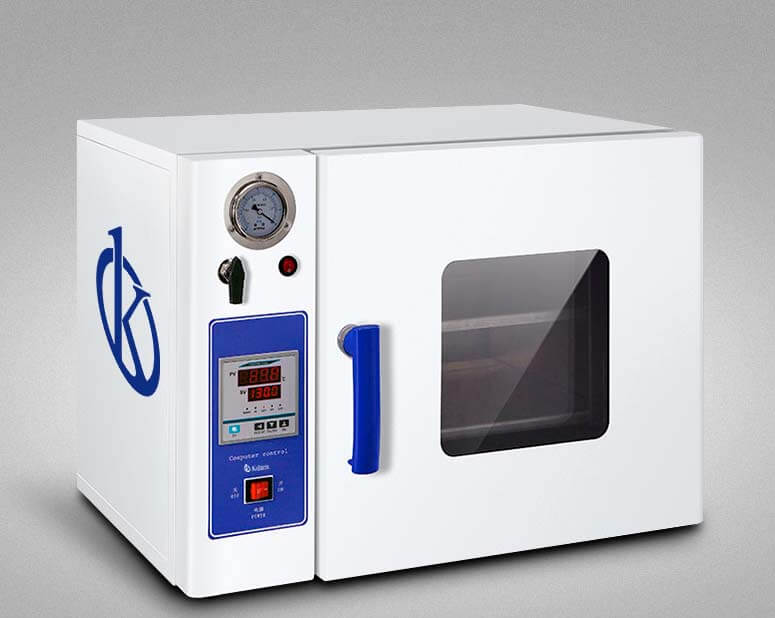
How to Evaluate the Cost-Benefit and ROI of Vacuum Ovens in Laboratories
Vacuum ovens are critical in laboratories, especially where moisture-sensitive materials need to be dried or sterilized. Understanding the cost-benefit and return on investment (ROI) of these devices is essential for laboratory professionals aiming to optimize their operations and budgets. This article explores various models of vacuum ovens, their applications, and a detailed analysis of their financial implications.
Understanding Vacuum Ovens in the Context of Cost-Benefit Analysis
Vacuum ovens, such as the YR05260-A and YR05261-A, are essential tools for drying and sterilizing sensitive materials. They utilize reduced pressure to lower the boiling point of solvents, making them ideal for applications where heat could damage delicate samples. By evaluating the cost of ownership and operational efficiency, laboratories can make informed decisions on which models to integrate into their workflows.
Comparison of Available Models
| Model | Initial Cost (USD) | Power Consumption (kW) | Best For | Key Features |
|---|---|---|---|---|
| YR05260-A | 330.00 | 0.9 | Biopharmaceutical Research | High efficiency, Suitable for heat-sensitive materials |
| YR05261-A | 460.00 | 0.9 | Environmental Studies | Compact design, Good for small samples |
| YR05262-SS | 400.00 | 1.4 | Pharmaceutical Applications | Stainless steel chamber, Corrosion resistant |
| YR05263-SS | 590.00 | 1.4 | Complex Bio-materials | Robust construction, Variability in temperature |
| YR05264-A | 690.00 | 1.4 | Health Care Applications | High capacity, Quick drying times |
| YR05265-SS | 845.00 | 1.4 | Agricultural Research | Advanced features, Energy-efficient |
Analyzing ROI and Cost-Benefit for Vacuum Ovens
When evaluating vacuum ovens, it is crucial to calculate both CAPEX (Capital Expenditure) and OPEX (Operating Expenditure). For example, the YR05260-A, priced at $330, may have lower upfront costs but assessing its energy efficiency and maintenance needs can reveal it has a higher OPEX compared to the YR05265-SS, which is more expensive but operates at a lower energy cost over time.
Cost-Benefit Analysis Breakdown
A detailed cost analysis should include the following parameters:
- Initial Purchase Cost
- Operational Costs (electricity, maintenance)
- Efficiency and Output Rates
- Expected Lifespan
- Residual Value
Utilizing these metrics, laboratories can identify which vacuum oven offers the best value in terms of operational efficiency and reliability.
Common Mistakes and How to Avoid Them
One common mistake is underestimating operational costs associated with vacuum ovens. For instance, while the YR05261-A might appear to be a cost-effective option at first glance, its higher energy consumption could lead to increased operational costs. It’s essential to consider both direct and indirect costs over the device's lifespan.
Frequently Asked Questions
How does the YR05260-A compare to other vacuum ovens in ROI?
The YR05260-A provides a low initial investment of $330, but its operational costs may not be the lowest due to moderate energy consumption. When comparing to models like the YR05265-SS, which costs $845 but has lower energy consumption, the ROI calculation may favor the YR05265-SS over time.
What are the expected operational costs for the YR05261-A?
The YR05261-A has an initial cost of $460 and operates at 0.9 kW. Its power consumption translates to approximately $0.12 per hour of operation, which can accumulate into significant annual costs depending on usage.
Which vacuum oven model is best for environmental studies?
The YR05261-A is well-suited for environmental studies due to its compact size and efficiency in processing small samples quickly. Its price point of $460 also makes it accessible for laboratories with tighter budgets.
How can I maximize the lifespan of my vacuum oven?
Regular maintenance and proper usage can significantly extend the lifespan of vacuum ovens. Following manufacturer recommendations for cleaning and avoiding overloading are essential for models like the YR05263-SS to ensure longevity and consistent performance.
What are the key features to look for in a vacuum oven?
Key features include temperature uniformity, vacuum level, control systems, and material durability. Models like YR05262-SS offer stainless steel chambers, enhancing durability and making it ideal for pharmaceuticals.
How does the cost of a vacuum oven affect laboratory budgeting?
A vacuum oven's cost, such as the $690 YR05264-A, impacts laboratory budgets significantly, but it’s critical to consider long-term savings through energy efficiency and reduced operational costs when making a decision.
Which vacuum oven is ideal for agricultural research?
The YR05265-SS is ideal for agricultural research due to its advanced features and energy efficiency. Priced at $845, it provides the reliability needed for experimenting with complex biological materials.
What is the payback period for investing in a vacuum oven?
The payback period varies based on usage and energy costs. A model like the YR05262-SS, priced at $400, may have a payback period of approximately 18 months when considering energy savings and improved processing times.
If you are looking for a fusion of innovation and quality, you have come to the right place. At Kalstein, we offer you the luxury of exploring our exclusive catalog of laboratory equipment. We manufacture every device to the highest standards of excellence. Our intuitive and seamless online purchasing channels are designed for your convenience, securing the most competitive prices. Hesitate no longer — we bring science to life, it is time to become part of our community.