Digital BRIX Refractometers: Practical Applications in Clinical and Hospital Laboratories 2026
What is it used for in 2026
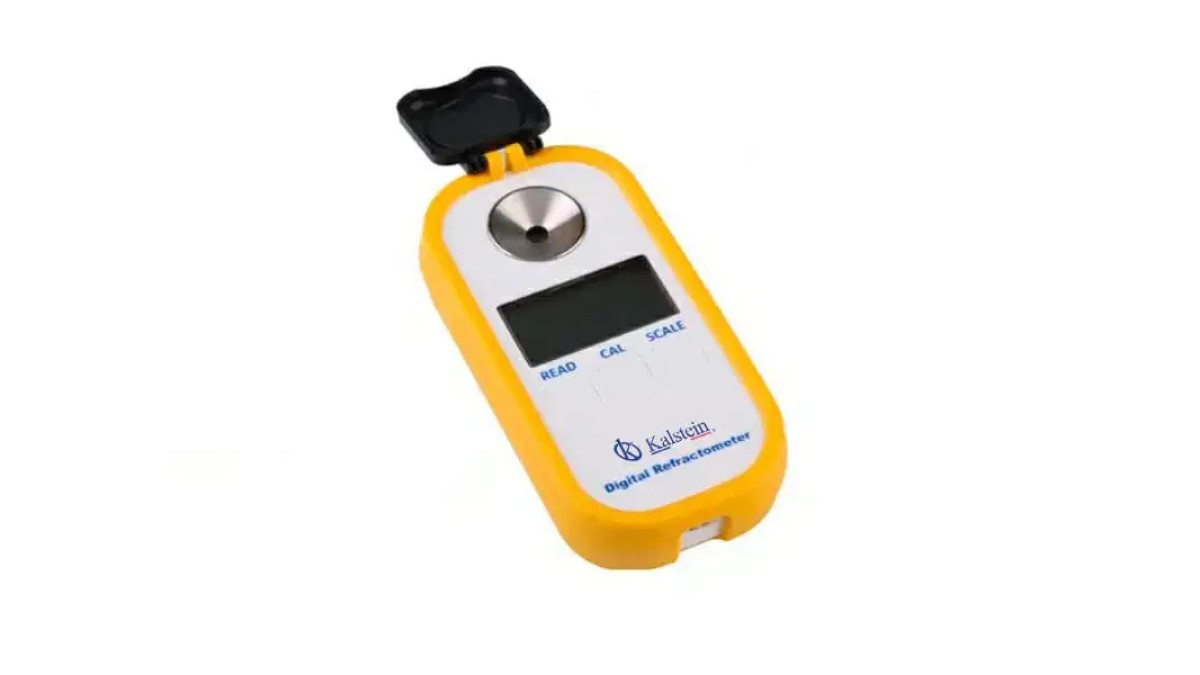
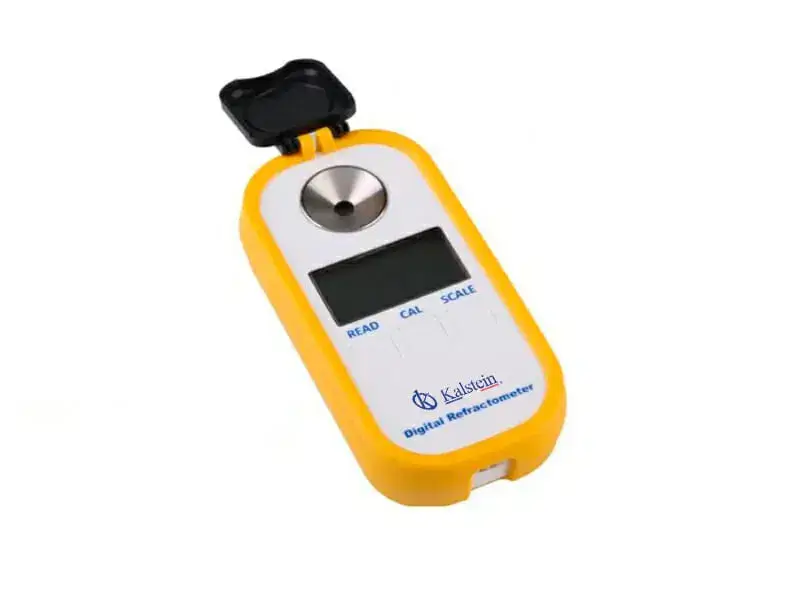
Digital BRIX refractometers are essential tools in clinical and hospital laboratories for measuring the concentration of soluble solids, primarily sugar, in aqueous solutions. They are widely applied in the analysis of fruit juices, syrups, purees, beverages, and other liquid foods to determine their sweetness and quality. In 2026, these refractometers are utilized not only in food testing but also in medical diagnostics, where the concentration of specific fluids can indicate health conditions.
History and evolution of the technology
The history of refractometry dates back to the early 19th century when the first refractometer was developed. Over the years, the technology evolved from manual refractometers to sophisticated digital devices. The introduction of automatic temperature compensation (ATC) has significantly improved the accuracy of measurements, allowing for reliable data across a wider range of temperatures. Digital BRIX refractometers have advanced to include user-friendly interfaces, making them accessible to a broader audience in laboratory settings.
How to use it step by step
- Preparation: Ensure the refractometer is calibrated based on the manufacturer’s instructions. Clean the prism with distilled water and a lint-free cloth.
- Sample introduction: Place a few drops of the sample solution onto the prism. Ensure the sample covers the entire surface.
- Measurement: Close the cover plate gently to eliminate air bubbles and provide an even surface. Wait for a few seconds for the reading to stabilize.
- Read the values: Observe the digital display to get the BRIX percentage or refractive index. Record the value for analysis.
- Cleaning: After use, clean the prism again to avoid contamination of future samples.
Best techniques and protocols
When using digital BRIX refractometers, adhere to the following best practices:
- Always use distilled water for cleaning to prevent residue build-up.
- Calibrate the device regularly, preferably before significant measurements or daily if used frequently.
- Take multiple readings of the same sample to ensure accuracy and reliability.
- Store the refractometer in a controlled environment to prevent damage and maintain the integrity of measurements.
Practical applications by laboratory type
In clinical settings, digital BRIX refractometers find applications in:
- Food Quality Control: Testing the concentration of sugar in juices and beverages.
- Medical Diagnostics: Analyzing serum and urine samples to gauge certain health conditions.
- Pharmaceuticals: Measuring concentrations in medicinal syrups and solutions.
Regulations, standards and certifications
Digital BRIX refractometers must comply with various regulations and standards, including:
- ISO standards relevant to laboratory equipment.
- Local health and safety regulations for laboratory operations.
- Specific certifications for food testing equipment.
Comparison with alternative technologies
While digital BRIX refractometers are highly effective, alternative technologies such as hydrometry and chromatography also exist. Hydrometry measures density instead of refractive index, which may not provide the same precision for sugar content. Chromatography can give detailed compositional analysis but is more complex and time-consuming compared to the straightforward operation of refractometers.
Comparison of available models
| Model | Best for | Key specs | Recommended use case |
|---|---|---|---|
| YR05944 | General sugar content | Brix: 0.0-50.0%; Refractive Index: 1.3330-1.4200nD | Ideal for testing fruit juices and beverages. |
| YR05945 | High sugar solutions | Brix: 0.0-90.0% | Suitable for syrups and high sugar content solutions. |
| YR05946 | Precision refractive index | Refractive Index: 1.3330-1.5177nD | Best for laboratory research requiring precise refractive index measurements. |
| YR05947 | Dextran measurements | Dextran: 0.0-10.6% | Used in pharmaceutical labs for dextran concentration analysis. |
| YR05948 | Fructose analysis | Fructose: 0.0-68.9% | Ideal for testing high fructose corn syrup. |
| YR05949 | Glucose measurement | Glucose: 0.0-59.9% | Suitable for diabetes management applications. |
| YR05950 | Lactose analysis | Lactose: 0.0-1% | Used in dairy product quality control. |
Common mistakes and how to avoid them
Laboratory professionals should be aware of common pitfalls when using digital BRIX refractometers:
- Neglecting Calibration: Always calibrate before use to ensure measurement accuracy.
- Improper Cleaning: Failing to clean the prism can lead to cross-contamination. Always clean after each use.
- Ignoring Temperature Effects: Not accounting for the influence of temperature can result in inaccurate readings. Use the ATC feature whenever available.
Maintenance, calibration and good practices 2026
To ensure longevity and accuracy of digital BRIX refractometers:
- Implement a regular calibration schedule as per manufacturer recommendations.
- Store the device in a protective case after use to avoid damage.
- Inspect the refractometer for any signs of wear or damage before use.
Cost-benefit analysis 2026
Investing in digital BRIX refractometers is justified due to their precision and reliability. While the initial cost may seem high, the benefits of accurate measurements can lead to better quality control and ultimately improve product quality and patient outcomes in clinical settings. The return on investment becomes evident through enhanced operational efficiency and reduced waste.
Frequently asked questions
How do I choose the right digital BRIX refractometer for my laboratory?
Consider the specific applications you need it for, such as sugar concentration, types of solutions, and required measurement range. Compare the specifications of different models to find the best fit for your needs.
What is the importance of temperature compensation in refractometry?
Temperature can significantly affect refractive index measurements. Automatic temperature compensation (ATC) ensures that readings are accurate within a specified temperature range, simplifying the measurement process.
How often should I calibrate my refractometer?
It is recommended to calibrate the refractometer before significant measurements or at least daily if it is used frequently. Regular calibration helps maintain accuracy.
Can digital BRIX refractometers be used for all types of liquids?
While they excel with aqueous solutions, the refractometers are designed specifically for liquids with measurable sugar content. Testing other types of liquids might lead to inaccurate results.
What common mistakes should I be wary of when using a refractometer?
Common mistakes include neglecting calibration, failing to clean the prism after use, and not accounting for temperature effects. These can all lead to inaccurate measurements.
Are there specific cleaning procedures I should follow?
Always clean the prism with distilled water and a lint-free cloth. Avoid using abrasive materials that could scratch the surface.
How can I ensure the longevity of my digital BRIX refractometer?
Regular maintenance, proper cleaning, and appropriate storage are essential for ensuring the longevity of your refractometer. Follow the manufacturer’s guidelines for care and calibration.
If you are looking for a fusion of innovation and quality, you have come to the right place. At Kalstein, we offer you the luxury of exploring our exclusive catalog of laboratory equipment. We manufacture every device to the highest standards of excellence. Our intuitive and seamless online purchasing channels are designed for your convenience, securing the most competitive prices. Hesitate no longer — we bring science to life, it is time to become part of our community.