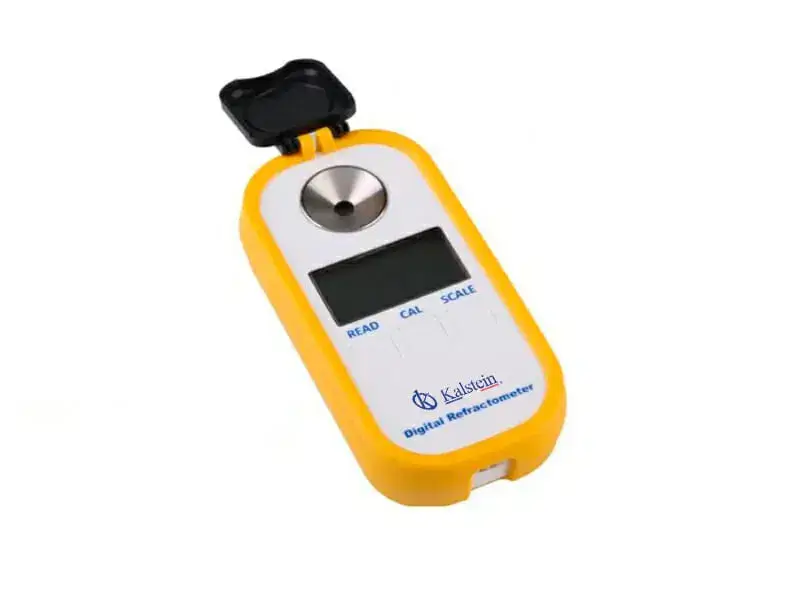
Digital BRIX+ Salinity Refractometers: Comprehensive Usage Guide 2026
What is it used for in 2026
Digital BRIX+ Salinity Refractometers are essential tools in various industries, including food and beverage, agriculture, and environmental science. In 2026, they are primarily used for measuring the concentration of soluble solids, particularly sugars, in liquids such as fruit juices, syrups, and purees. Additionally, these refractometers are crucial for determining salinity levels in solutions, including sodium chloride and seawater. This makes them invaluable for ensuring product quality and compliance with industry standards.
History and evolution of the technology
The technology of refractometers has evolved significantly over the years. Originally, refractometers were optical devices that required manual interpretation of scales. The introduction of digital refractometers has transformed how measurements are taken, providing users with instant readings and eliminating human error in scale interpretation. The integration of Automatic Temperature Compensation (ATC) has further enhanced accuracy, allowing for consistent results across a range of temperatures. This evolution has made Digital BRIX+ Salinity Refractometers essential in modern laboratories.
How to use it step by step
Using a Digital BRIX+ Salinity Refractometer involves a straightforward process. Here is a step-by-step guide:
- Preparation: Ensure the refractometer is clean and calibrated. Turn on the device and allow it to warm up if necessary.
- Sample Collection: Collect a small amount of the liquid sample to be tested. Ensure it is free of bubbles and contaminants.
- Measurement: Place a few drops of the sample onto the prism of the refractometer. Close the cover to avoid air interference.
- Reading: Wait a few seconds for the reading to stabilize. The digital display will show the Brix or salinity level.
- Documentation: Record the results for future reference, ensuring to note the date and sample type.
Best techniques and protocols
Adhering to best practices when using Digital BRIX+ Salinity Refractometers enhances accuracy and reliability. Here are some recommended techniques:
- Always clean the prism before and after each use to avoid cross-contamination.
- Ensure samples are at the recommended temperature for accurate readings, typically between 0°C and 40°C.
- Calibrate the device regularly according to the manufacturer’s instructions to maintain precision.
- Use distilled water as a reference for calibration, ensuring that all readings are within acceptable limits.
Practical applications by laboratory type
Digital BRIX+ Salinity Refractometers find utility in various laboratory settings:
- Food and Beverage Labs: Used for quality control in juices, wines, and syrups to ensure proper sugar content.
- Agricultural Labs: Assist in monitoring soil salinity for effective irrigation management.
- Environmental Labs: Measure salinity in water bodies to assess ecological health.
Regulations, standards and certifications
In 2026, laboratories using Digital BRIX+ Salinity Refractometers must adhere to various regulations and standards, including:
- ISO 9001: Quality management systems to ensure consistent quality in products and services.
- ISO 17025: General requirements for the competence of testing and calibration laboratories.
- FDA regulations for food safety when used in the food and beverage industry.
Comparison with alternative technologies
While Digital BRIX+ Salinity Refractometers are highly effective, alternatives exist, including:
- Hydrometers: More traditional devices that measure liquid density but require more user interpretation.
- Conductivity Meters: Used for measuring salinity in liquids but may not provide sugar concentration data.
Digital BRIX+ Salinity Refractometers offer unique advantages, such as dual functionality and ease of use, making them more favorable in many laboratory scenarios.
Comparison of available models
| Model | Best for | Key specs | Recommended use case |
|---|---|---|---|
| YR05961 | Brix Measurement | Range: 0-50%, Min. Div: 0.10%, Precision: ±0.2%, ATC: Yes | Perfect for measuring sugar content in fruit juices and syrups. |
| YR05962 | Salinity Measurement | Range: 0-280‰, Min. Div: 0.10%, Precision: ±0.2%, ATC: Yes | Ideal for testing salinity in seawater and brine solutions. |
| YR05963 | Salinity Measurement | Range: 0-280‰, Min. Div: 1‰, Precision: ±2‰, ATC: Yes | Useful for general salinity checks in various applications. |
| YR05964 | Density Measurement | Range: 1.000-1.217, Min. Div: 0.001, Precision: ±0.002, ATC: Yes | Best for measuring density in liquid mixtures. |
| YR05965 | Refractive Index Measurement | Range: 1.3330-1.4200nD, Min. Div: 0.0001nD, Precision: ±0.0003nD, ATC: Yes | Suitable for precise refractive index measurements in research. |
Common mistakes and how to avoid them
When using Digital BRIX+ Salinity Refractometers, users often make several common mistakes, including:
- Not calibrating: Always ensure the device is calibrated before use to avoid inaccurate measurements.
- Ignoring temperature effects: Make sure samples are within the specified temperature range for reliable results.
- Inadequate cleaning: Failing to clean the prism can lead to contamination and skewed results.
By being aware of these pitfalls, users can ensure accurate and reliable measurements.
Maintenance, calibration and good practices 2026
Proper maintenance and calibration are crucial for the longevity and accuracy of Digital BRIX+ Salinity Refractometers:
- Clean the prism with distilled water and a lint-free cloth after each use.
- Calibrate the device with distilled water and the appropriate standards regularly, following the manufacturer’s guidelines.
- Store the refractometer in a protective case to prevent dust and damage.
Cost-benefit analysis 2026
The investment in Digital BRIX+ Salinity Refractometers is justified when considering:
- The precision and reliability they bring to laboratory operations.
- Time saved through quick and accurate measurements compared to traditional methods.
- Reduced wastage and better quality control in production processes, leading to cost savings.
Overall, the benefits significantly outweigh the initial costs, making them a worthwhile investment for any laboratory.
Frequently asked questions
What should I consider when choosing a Digital BRIX+ Salinity Refractometer?
Consider the measurement range, precision, and whether the device includes Automatic Temperature Compensation (ATC) to ensure accurate results across varying temperatures.
How often should I calibrate my refractometer?
It is recommended to calibrate your refractometer before each use, particularly if you are testing different types of samples.
Can I use the same refractometer for both Brix and salinity measurements?
Yes, many digital refractometers, including those in this family, are designed to measure both Brix and salinity effectively.
What is the proper way to clean my Digital BRIX+ Salinity Refractometer?
Use distilled water and a soft, lint-free cloth to clean the prism after each use to prevent contamination and maintain accuracy.
How do I ensure accurate readings at varying temperatures?
Ensure the sample is at the recommended temperature range, and utilize refractometers with Automatic Temperature Compensation (ATC) for reliable readings.
What are the implications of not maintaining my refractometer?
Poor maintenance can lead to inaccurate readings, cross-contamination, and a shorter lifespan of the device.
Where can I find more information or request a quote for purchasing a refractometer?
You can explore our exclusive catalog or request a quote through our online platform for the best options suited to your laboratory needs.
If you are looking for a fusion of innovation and quality, you have come to the right place. At Kalstein, we offer you the luxury of exploring our exclusive catalog of laboratory equipment. We manufacture every device to the highest standards of excellence. Our intuitive and seamless online purchasing channels are designed for your convenience, securing the most competitive prices. Hesitate no longer — we bring science to life, it is time to become part of our community.