Digital Clinical Refractometers: Best Techniques and Protocols 2026
In the realm of laboratory diagnostics, digital clinical refractometers have become indispensable tools. These devices allow for quick and accurate measurements of the refractive index of liquids, which is crucial in a variety of medical and veterinary applications. In 2026, understanding how to effectively use and implement these instruments can greatly enhance laboratory workflows and the accuracy of results.
What is it used for in 2026
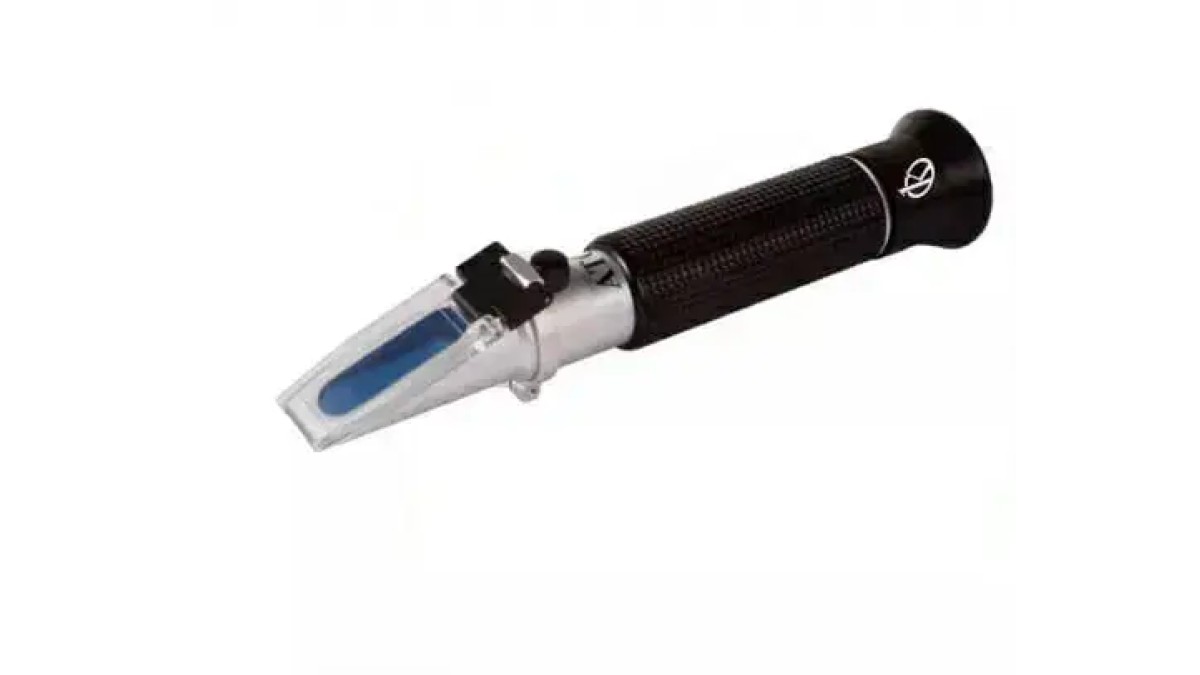
Digital clinical refractometers are primarily used for measuring the specific gravity of urine and serum protein levels in both veterinary and human medicine. They enable clinicians and veterinarians to assess hydration status, diagnose conditions such as kidney disease, and monitor overall health through quick analysis of biological fluids. With advancements in technology, these devices now offer improved accuracy and ease of use, making them essential in clinical settings.
History and evolution of the technology
The evolution of refractometry dates back to the 19th century, with the invention of the first refractometers. Initially, these devices were manual and required extensive training to interpret results accurately. With the advent of digital technology, clinical refractometers have transitioned to electronic systems that provide automatic temperature compensation (ATC) and digital readouts, greatly simplifying the process. The 2026 models showcase advancements such as enhanced waterproofing, user-friendly interfaces, and greater measurement ranges.
How to use it step by step
To ensure accurate and reliable results when using a digital clinical refractometer, follow these steps:
- Preparation: Ensure the refractometer is clean and calibrated. Check the battery level if it's a digital model.
- Sample Collection: Collect the liquid sample (urine or serum) in a clean container.
- Zero Calibration: If necessary, use distilled water to calibrate the refractometer to zero before taking measurements.
- Apply Sample: Place a few drops of the sample on the prism of the refractometer.
- Take Reading: Close the cover and wait for a moment to allow the device to measure. Read the result displayed on the digital screen.
- Record Results: Document the readings for analysis and further evaluation.
Best techniques and protocols
For optimal use of digital clinical refractometers, adhere to the following techniques and protocols:
- Perform regular maintenance and calibration to ensure accuracy.
- Use consistent sample collection techniques to avoid variability in results.
- Implement quality control measures by routinely testing known standards.
- Train all personnel on proper usage to minimize user error and maximize reliability.
Practical applications by laboratory type
Various laboratories can benefit from using digital clinical refractometers:
- Clinical Laboratories: Used for routine analysis of urine and serum.
- Veterinary Clinics: Essential for assessing hydration and diagnosing conditions in animals.
- Research Facilities: Utilized in studies involving biochemical analyses of fluids.
Regulations, standards and certifications
In 2026, adherence to regulations and standards is crucial for laboratory equipment, including digital refractometers. Compliance with ISO standards, FDA regulations, and CLIA requirements ensures that devices are safe, effective, and reliable. Laboratories must maintain proper documentation and validation protocols to meet these standards.
Comparison with alternative technologies
While digital refractometers are widely used, alternative technologies such as hydrometers and traditional refractometers also exist. Digital refractometers offer faster readings, automatic temperature compensation, and ease of use, making them more favorable in high-throughput settings. In contrast, traditional refractometers may require manual interpretation and calibration, which can introduce human error.
Comparison of available models
| Model | Best for | Key specs | Recommended use case |
|---|---|---|---|
| YR05915 | Clinical and veterinary use | 0-12g/dl, 1.000-1.050sg, 1.3300RI-1.3600RI | Accurate measurement of urine-specific gravity, serum protein, and refractive index |
| YR05966 | Veterinary and clinical applications | 1.000-1.050sg | Ideal for measuring urine specific gravity and serum protein |
| YR05967 | Veterinary and clinical applications | 0-12.1 g/dl | Best for measuring serum protein levels |
| YR05968 | Veterinary and clinical applications | 1.3330--1.3900nD | Suitable for refractive index measurements |
Common mistakes and how to avoid them
Some common mistakes when using digital clinical refractometers include:
- Incorrect calibration: Always calibrate the device before use to ensure accurate readings.
- Improper sample handling: Use clean containers and avoid contamination of samples.
- Reading errors: Allow sufficient time for the device to stabilize before reading the results.
Maintenance, calibration and good practices 2026
To maintain accuracy and reliability, perform regular maintenance and calibration on digital clinical refractometers. Follow these practices:
- Calibrate regularly using a zero standard like distilled water.
- Clean the prism and sample chamber after each use.
- Store the device in a protective case to prevent damage.
Cost-benefit analysis 2026
In the current landscape, investing in a digital clinical refractometer offers significant benefits:
- Cost-effective solution for rapid diagnostics.
- Reduced labor time due to quicker measurements.
- Improved accuracy leading to better patient outcomes.
Frequently asked questions
What should I consider when choosing a digital clinical refractometer?
When selecting a digital clinical refractometer, consider the measurement range, precision, ease of calibration, and whether it features automatic temperature compensation. These factors will greatly influence the accuracy and reliability of your results.
How often should I calibrate my refractometer?
It is recommended to calibrate your refractometer before each use or at least once daily if used frequently. Calibration ensures that your results are accurate and reliable.
What type of samples can I measure with a digital clinical refractometer?
You can measure various biological fluids, including urine and serum, making these devices versatile for both veterinary and human applications.
Do I need special training to use a refractometer?
While basic training in using the device is beneficial, many digital refractometers are designed to be user-friendly, allowing most laboratory staff to operate them effectively with minimal training.
Can I use my refractometer in a field setting?
Yes, many modern digital refractometers are designed to be portable and waterproof, making them suitable for field use in veterinary medicine or other outdoor applications.
What maintenance does a digital refractometer require?
Regular cleaning of the prism and sample chamber, calibration, and safe storage in a protective case will help maintain the functionality and longevity of the refractometer.
If you are looking for a fusion of innovation and quality, you have come to the right place. At Kalstein, we offer you the luxury of exploring our exclusive catalog of laboratory equipment. We manufacture every device to the highest standards of excellence. Our intuitive and seamless online purchasing channels are designed for your convenience, securing the most competitive prices. Hesitate no longer — we bring science to life, it is time to become part of our community.