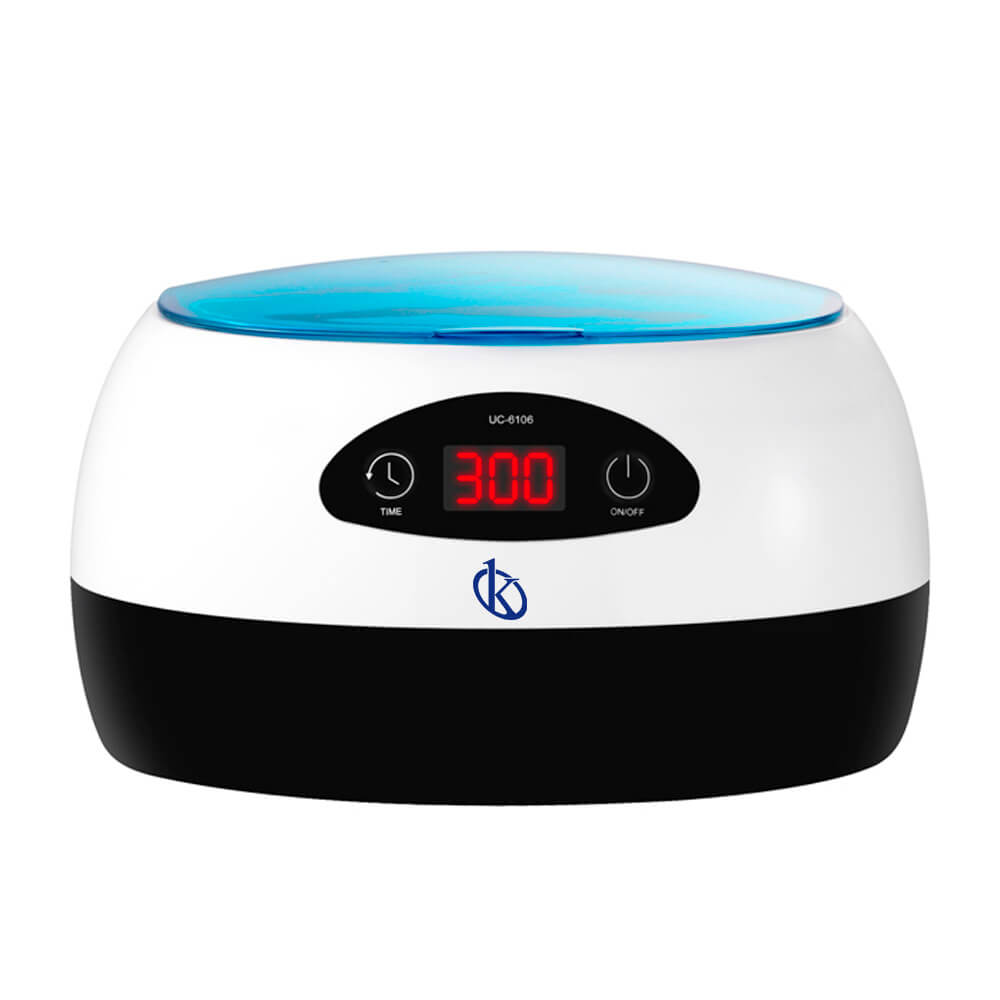
Digital Desktop Ultrasonic Cleaners: Practical Applications and Techniques 2026
What is it used for in 2026
In 2026, Digital Desktop Ultrasonic Cleaners are widely used in various laboratory settings for their effectiveness in cleaning delicate items. They utilize ultrasonic waves to create microscopic bubbles in a cleaning solution, which implode and produce high forces that effectively remove dirt and contaminants from surfaces. Common applications include cleaning delicate instruments, jewelry, lenses, and dental tools, ensuring they are free from grime without physical abrasion.
History and evolution of the technology
The technology behind ultrasonic cleaning has evolved significantly since its inception in the mid-20th century. Initially used in industrial applications, it has since found applications in healthcare, jewelry, and electronics. The advancement of digital controls and efficiency of cleaning solutions has made modern ultrasonic cleaners more user-friendly and effective, allowing for precise cleaning cycles tailored to different materials.
How to use it step by step
Using a Digital Desktop Ultrasonic Cleaner involves the following steps:
- Preparation: Gather the items to be cleaned and ensure they are suitable for ultrasonic cleaning.
- Fill the Tank: Add the appropriate cleaning solution to the tank, ensuring it is filled to the recommended level.
- Set the Timer: Choose the appropriate cleaning time based on the level of contamination and item type.
- Power On: Turn on the device and observe as ultrasonic waves begin to propagate through the cleaning solution.
- Rinse and Dry: Once the cleaning cycle is complete, carefully remove the items, rinse them with water, and dry them appropriately.
Best techniques and protocols
When using Digital Desktop Ultrasonic Cleaners, the following techniques and protocols are advisable:
- Use the correct concentration of cleaning solution for effective results.
- Avoid overloading the tank to ensure efficient ultrasonic action.
- Regularly clean the tank to prevent residue buildup that can hinder performance.
- Use a gentle cycle for delicate items to avoid damage.
Practical applications by laboratory type
Different laboratories employ Digital Desktop Ultrasonic Cleaners in unique ways:
- Dental Laboratories: Utilized for cleaning dental tools and appliances to ensure hygiene and safety.
- Jewelry Stores: Used to restore the shine of jewelry pieces, removing dirt without scratching the surface.
- Optical Labs: Ideal for cleaning precision lenses that require a spotless finish.
- Research Labs: Employed to clean delicate instruments that require careful handling.
Regulations, standards and certifications
Users of Digital Desktop Ultrasonic Cleaners must adhere to specific regulations and standards based on their laboratory type. Common certifications include ISO standards for quality management, as well as health and safety regulations applicable in clinical and industrial settings. It is essential to ensure that the cleaning agents used are also compliant with relevant safety standards.
Comparison with alternative technologies
While Digital Desktop Ultrasonic Cleaners are effective, alternative technologies like steam cleaning, manual cleaning, and chemical baths may also be employed. Ultrasonic cleaners often outperform these methods in terms of thoroughness and speed, particularly in situations requiring the removal of stubborn contaminants from intricate geometries.
Comparison of available models
| Model | Best for | Key specs | Recommended use case |
|---|---|---|---|
| YR05231 | Jewelry cleaning | 750 ml, 50W, 42KHz | General cleaning of jewelry and small items |
| YR05232 | Jewelry and general items | 1400ml, 60W, 40KHz | Effective cleaning for larger jewelry items |
| YR05229 | Lens cleaning | 600 ml, 50W, 42KHz | Suitable for cleaning delicate lenses |
| YR05230 | Dental tools | 2.5L, 60W, 42KHz | Ideal for cleaning dental instruments thoroughly |
Common mistakes and how to avoid them
Some common mistakes when using Digital Desktop Ultrasonic Cleaners include:
- Overfilling the tank, which can cause spills and reduce cleaning efficiency.
- Using the wrong cleaning solution, which can damage items being cleaned.
- Ignoring the maintenance schedule, resulting in subpar cleaning performance.
To avoid these issues, always follow the manufacturer’s instructions and guidelines.
Maintenance, calibration and good practices 2026
Maintaining a Digital Desktop Ultrasonic Cleaner is crucial for optimal performance. Regularly inspect the tank for any residue, clean it after every use, and ensure the unit is calibrated according to the manufacturer's specifications. Adopting good practices such as using the correct cleaning solution and setting appropriate cleaning times can enhance the lifespan of the equipment.
Cost-benefit analysis 2026
In 2026, the cost-benefit analysis of investing in a Digital Desktop Ultrasonic Cleaner reveals significant advantages. The initial cost can be offset by the time saved in cleaning processes, the reduced need for manual labor, and the improved quality of cleaned items. Additionally, the longevity of items due to gentle cleaning methods can lead to lower replacement costs over time.
Frequently asked questions
What are the best items to clean with a Digital Desktop Ultrasonic Cleaner?
The best items to clean include jewelry, dental instruments, precision lenses, and small mechanical parts. Always check the manufacturer's guidelines for specific materials that can be safely cleaned.
How long should I run the cleaner for effective cleaning?
Cleaning times vary depending on the level of contamination. Generally, cycles can range from 1 to 10 minutes; however, for heavily soiled items, longer durations may be necessary.
Can I use my ultrasonic cleaner for industrial applications?
While Digital Desktop Ultrasonic Cleaners are primarily designed for household and small laboratory use, some models may be suitable for light industrial applications. Always ensure that the model specifications meet your needs.
What kind of cleaning solution should I use?
Use a solution specifically formulated for ultrasonic cleaning, as these are designed to optimize cleaning efficiency and minimize damage to items. Avoid using harsh chemicals that can harm the ultrasonic cleaner's tank.
How do I maintain my Digital Desktop Ultrasonic Cleaner?
Regular maintenance includes cleaning the tank after each use, checking for any wear on seals, and ensuring that the ultrasonic function is operating correctly. Consult the user manual for detailed maintenance instructions.
Is it safe to use for delicate items?
Yes, ultrasonic cleaners are safe for many delicate items, provided that you follow the manufacturer’s guidelines on cleaning times and solutions to ensure that items are not damaged.
If you are looking for a fusion of innovation and quality, you have come to the right place. At Kalstein, we offer you the luxury of exploring our exclusive catalog of laboratory equipment. We manufacture every device to the highest standards of excellence. Our intuitive and seamless online purchasing channels are designed for your convenience, securing the most competitive prices. Hesitate no longer — we bring science to life, it is time to become part of our community.