How Can Digital Display Ultrasonic Cleaners Enhance Energy Sustainability and Reduce Environmental Impact?
In today's rapidly evolving laboratory environment, sustainability and environmental responsibility have become paramount. Digital display ultrasonic cleaners emerge as a significant tool in addressing these concerns by improving cleaning efficiency while minimizing energy consumption. This article delves into the energy sustainability aspect of these devices, comparing various models while considering their impact on the environment.
The Role of Digital Display Ultrasonic Cleaners in Energy Sustainability
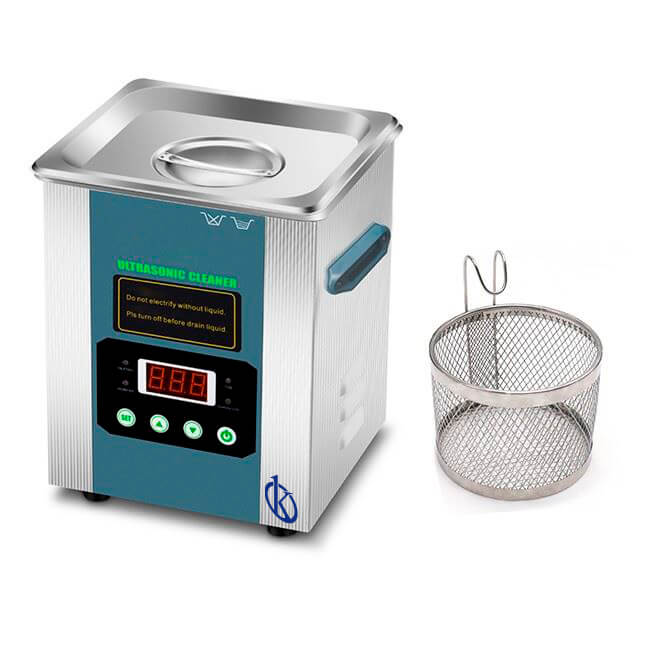
Digital display ultrasonic cleaners utilize high-frequency sound waves to create microscopic bubbles that effectively clean surfaces and materials. One of their primary benefits is the energy efficiency they offer compared to traditional cleaning methods. These devices can clean thoroughly in shorter periods, reducing energy consumption significantly.
For instance, the YR05208 model, with its 2-liter capacity and 70W power, provides an efficient solution for jewelry cleaning without excessive energy use. The ultrasonic frequency of 40KHz ensures optimal cleaning power while minimizing energy wastage.
Energy Consumption Analysis of Different Models
When evaluating the environmental impact of digital display ultrasonic cleaners, it is crucial to consider their energy consumption. The models vary in their power requirements, which influences overall energy usage during operation.
| Model | Power (W) | Capacity (L) | Estimated Energy Consumption (kWh) | Best Application |
|---|---|---|---|---|
| YR05208 | 70 | 2 | 0.07 | Jewelry cleaning |
| YR05209 | 70 | 2 | 0.07 | Multi-purpose cleaning |
| YR05212 | 180 | 4.5 | 0.18 | Laboratory cleaning tasks |
| YR05213 | 180 | 6.8 | 0.23 | Industrial applications |
| YR05214 | 240 | 11 | 0.30 | High-capacity cleaning |
| YR05215 | 360 | 15 | 0.40 | Heavy-duty applications |
The table clearly depicts the differences in energy consumption across various models, allowing laboratories to select the cleaner best suited to their operational needs while remaining environmentally conscious.
Reducing Water and Reagent Consumption
Another important aspect of sustainability is the efficient use of water and cleaning reagents. Ultrasonic cleaners generally require less water than traditional cleaning methods, as they can clean items more thoroughly in less time. For instance, the YR05209 model, with its digital control and heating capabilities, allows for optimized cleaning cycles that conserve resources effectively.
Lifecycle Assessment of Digital Display Ultrasonic Cleaners
Conducting a lifecycle assessment (LCA) provides insights into the environmental impact of digital display ultrasonic cleaners throughout their lifespan. This includes the extraction of raw materials, manufacturing processes, energy consumption during use, and disposal at the end of life.
By analyzing these factors, laboratories can make informed decisions about which models not only fulfill their cleaning requirements but also contribute to a reduced carbon footprint. For example, models like the YR05212, which have higher energy efficiency and longer operational lifespans, may present better sustainability outcomes in the long run.
Comparison of Available Models
| Model | Power (W) | Capacity (L) | Price (USD) | Best for |
|---|---|---|---|---|
| YR05208 | 70 | 2 | 45.00 | Jewelry cleaning |
| YR05209 | 70 | 2 | 47.00 | Multi-purpose cleaning |
| YR05212 | 180 | 4.5 | 109.00 | Laboratory cleaning tasks |
| YR05213 | 180 | 6.8 | 116.00 | Industrial applications |
| YR05214 | 240 | 11 | 156.00 | High-capacity cleaning |
| YR05215 | 360 | 15 | 202.00 | Heavy-duty applications |
Common Mistakes and How to Avoid Them
When implementing digital display ultrasonic cleaners, laboratories often encounter common pitfalls. One such error is failing to optimize cleaning cycles, which can lead to unnecessary energy consumption and reduced efficiency. It is crucial to select the appropriate model based on specific cleaning tasks and to adhere to recommended operational guidelines.
Another common mistake is neglecting maintenance, which can affect the longevity and performance of the ultrasonic cleaner. Regularly scheduled checks, as recommended by the manufacturer, should be integrated into laboratory protocols.
Frequently Asked Questions
How does the YR05208 model support energy sustainability in ultrasonic cleaning?
The YR05208 model operates at 70W and has a 2L capacity, allowing for effective cleaning with minimal energy use. By completing tasks quickly, it significantly reduces the overall energy consumption, making it ideal for energy sustainability efforts in laboratories.
What features of the YR05209 contribute to reduced environmental impact?
The YR05209 model features digital controls for temperature regulation and a 2L tank, enhancing cleaning efficiency while minimizing water and reagent usage. This makes it well-suited for environmentally conscious labs aiming to reduce their footprint.
Which ultrasonic cleaner model is best for high-capacity needs with energy efficiency?
The YR05214, with its 11L capacity and 240W power, is designed for high-capacity cleaning while maintaining energy efficiency. It is an excellent choice for labs requiring substantial cleaning without compromising on sustainability.
How can the use of ultrasonic cleaners improve resource efficiency in laboratories?
Ultrasonic cleaners, like the YR05212 model, utilize less water and cleaning agents while achieving thorough cleaning results. This resource efficiency aligns with sustainability initiatives by reducing waste and conserving essential resources.
What is the expected energy consumption when using the YR05215 model?
The YR05215 model has a power consumption of 360W and an estimated energy consumption of around 0.40 kWh per cycle. This high-capacity cleaner is designed for environments where efficient energy use is essential.
How do digital display ultrasonic cleaners compare to traditional cleaning methods in terms of energy use?
Digital display ultrasonic cleaners, such as the YR05209, generally consume less energy compared to traditional methods, offering faster cleaning times and requiring less manual intervention. This results in lower overall energy use and improved operational efficiency.
In what ways can ultrasonic cleaners contribute to a laboratory's sustainability goals?
Ultrasonic cleaners, like the YR05208, support sustainability goals by reducing water consumption, lowering energy usage, and minimizing the need for harsh chemicals. Their efficient cleaning process helps labs meet environmental standards and reduce their ecological footprint.
What maintenance practices enhance the performance of digital display ultrasonic cleaners?
To ensure optimal performance of models like the YR05212, regular maintenance such as cleaning the tank, checking transducers, and following operational guidelines is essential. This helps maintain energy efficiency and prolongs the lifespan of the unit.
If you are looking for a fusion of innovation and quality, you have come to the right place. At Kalstein, we offer you the luxury of exploring our exclusive catalog of laboratory equipment. We manufacture every device to the highest standards of excellence. Our intuitive and seamless online purchasing channels are designed for your convenience, securing the most competitive prices. Hesitate no longer — we bring science to life, it is time to become part of our community.