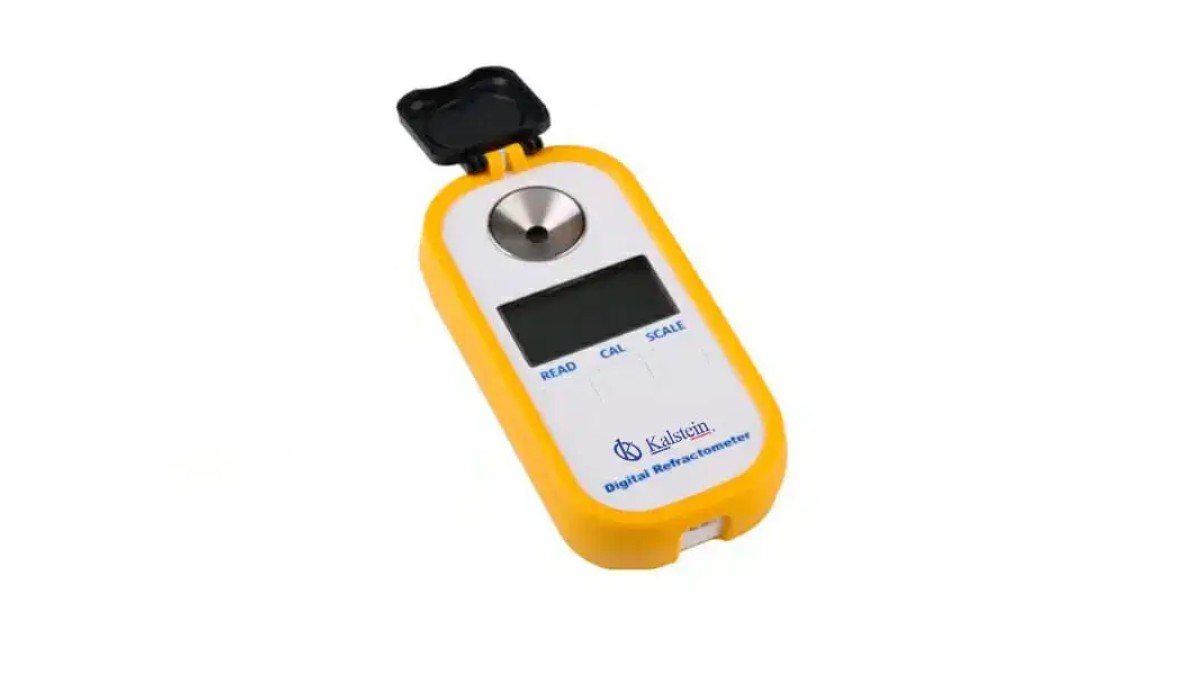
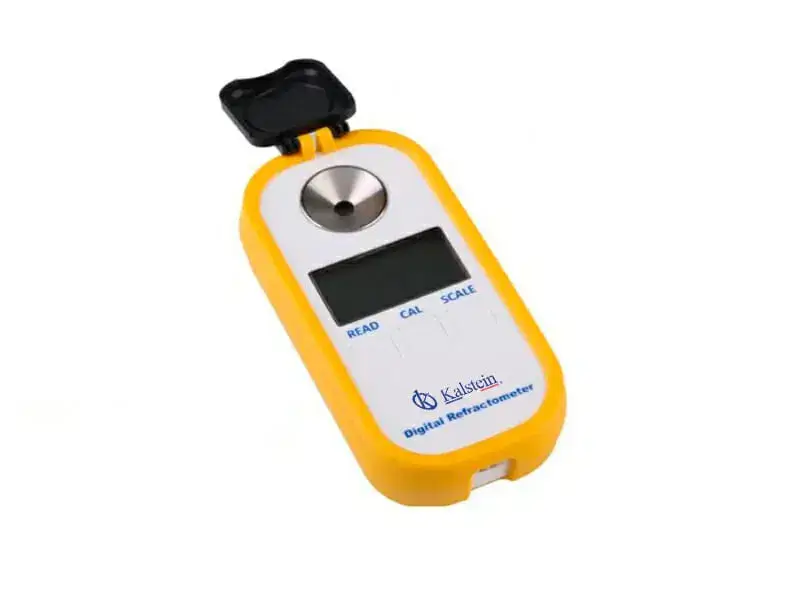
Digital Salinity Refractometers: Practical Applications and Techniques 2026
Digital Salinity Refractometers represent a vital instrument in laboratory environments, particularly within the fields of biotechnology, research, and academia. They are designed to measure the salinity of various solutions, providing crucial data for laboratory professionals. In this article, we will delve deep into what these devices are used for, their historical evolution, step-by-step usage instructions, and best practices for their operation in 2026.
What is it used for in 2026
In 2026, Digital Salinity Refractometers are primarily employed to determine the salinity levels of solutions, including seawater, sodium chloride, and other saline mixtures. These instruments play a critical role in research laboratories, aquaculture, and environmental monitoring. Their ability to deliver precise measurements quickly makes them indispensable tools for laboratory professionals seeking reliable data.
History and evolution of the technology
The evolution of refractometry dates back to the early 19th century when scientists began to understand the principles of light refraction. Over the decades, the technology evolved from basic manual refractometers to advanced digital models equipped with automatic temperature compensation (ATC) and enhanced readability. Today’s digital refractometers, like those in the salinity category, have been optimized for ease of use, accuracy, and rapid data capture, paving the way for sophisticated laboratory workflows.
How to use it step by step
Using a Digital Salinity Refractometer involves several straightforward steps:
- Calibration: Ensure the refractometer is calibrated correctly. This may involve using a calibration fluid with a known refractive index.
- Sample Preparation: Collect a small sample of the solution you intend to measure. For most models, only a drop is necessary.
- Measurement: Place the drop of sample on the prism of the refractometer. Close the cover plate to avoid any air bubbles.
- Reading the Result: Activate the device and read the display. The result will indicate the salinity level of the sample.
- Documentation: Record the measurements and any other pertinent information for further analysis.
- Cleaning: After use, clean the prism with distilled water to prevent any residue build-up.
Best techniques and protocols
To ensure accurate readings from Digital Salinity Refractometers, laboratory professionals should adhere to several best practices:
- Perform a blank measurement with distilled water before measuring samples.
- Maintain a consistent temperature environment, as temperature fluctuations can affect readings.
- Regularly calibrate the device to ensure it remains within accuracy specifications.
- Use a clean pipette to avoid cross-contamination between samples.
Practical applications by laboratory type
Digital Salinity Refractometers find versatile applications across various laboratory settings:
- Biotechnology Laboratories: They are essential for measuring the salinity of culture media used in cell growth.
- Environmental Laboratories: Used to monitor the salinity of water bodies, helping to assess ecological impacts.
- Aquaculture: Critical for maintaining optimal salinity levels in fish farms, ensuring healthy growth conditions.
- Food and Beverage Industry: Employed to measure salinity in food products to ensure flavor consistency and preservation.
Regulations, standards and certifications
When using Digital Salinity Refractometers, it is crucial to comply with relevant regulations and standards. ISO and ASTM standards govern the calibration and accuracy of laboratory measuring equipment. Regular audits and certifications ensure that equipment meets industry standards, thus maintaining the integrity of laboratory results.
Comparison with alternative technologies
While Digital Salinity Refractometers are highly effective, alternative technologies exist for measuring salinity, such as:
- Conductivity Meters: Measure the electrical conductivity of a solution, which correlates to salinity.
- Hydrometers: Provide a less precise measurement but are useful for determining solution densities.
- Salinity Probes: Offer continuous monitoring capabilities but may require more maintenance.
Comparison of available models
| Model | Best for | Key specs | Recommended use case |
|---|---|---|---|
| YR05953 | Measuring salinity up to 28% | 0.0--28.0%, ±0.1%, ATC 0-40°C | Marine biology studies |
| YR05954 | Measuring salinity up to 280‰ | 0--280‰, ±1‰, ATC 0-40°C | Aquaculture monitoring |
| YR05955 | Measuring density | 1.000-1.217, ±0.002, ATC 0-40°C | Food industry quality control |
| YR05956 | Measuring refractive index | 1.3330--1.3900nD, ±0.0003nD, ATC 0-40°C | Research laboratories |
| YR05957 | Measuring salinity up to 100‰ | 0—100‰, ±2‰, ATC 0-40°C | Environmental monitoring |
| YR05958 | Measuring salinity up to 57‰ | 0--57‰, ±2‰, ATC 0-40°C | Food and beverage testing |
| YR05959 | Measuring density | 1.000-1.070, ±0.002, ATC 0-40°C | Quality assurance in labs |
| YR05960 | Measuring refractive index | 1.3330--1.3530nD, ±0.0003nD, ATC 0-40°C | Advanced scientific research |
Common mistakes and how to avoid them
Laboratory professionals often encounter several mistakes when using Digital Salinity Refractometers:
- Inaccurate Calibration: Failing to calibrate the device regularly can lead to erroneous readings. Always calibrate before use.
- Not Allowing Temperature Equilibration: If the sample and device are at different temperatures, results may be skewed. Ensure both are at the same temperature.
- Improper Sample Size: Using too much or too little sample can affect accuracy. Use only the recommended drop size.
- Neglecting Cleaning: Residue from previous samples can contaminate new ones. Always clean the prism after each use.
Maintenance, calibration and good practices 2026
Maintaining Digital Salinity Refractometers is essential for longevity and performance:
- Regular Cleaning: Clean the prism after each use with distilled water and a soft cloth.
- Calibration: Calibrate regularly using standard calibration solutions to ensure accuracy.
- Storage: Store the device in a protective case to prevent damage.
- Routine Checks: Perform routine checks of device functionality and condition.
Cost-benefit analysis 2026
Investing in Digital Salinity Refractometers provides significant benefits in terms of accuracy and efficiency in laboratory settings. Although the initial cost may be higher compared to less advanced technologies, the long-term savings from reduced errors, faster analysis times, and enhanced data reliability justify the investment. In 2026, their role in facilitating precise measurements yields a substantial return on investment for research and production.
Frequently asked questions
How do I choose the right Digital Salinity Refractometer for my laboratory?
When selecting a Digital Salinity Refractometer, consider the measurement range, accuracy, and specific applications relevant to your laboratory needs. Evaluate the models' features and ensure they align with your requirements.
Can I use my Digital Salinity Refractometer for both fresh and saltwater samples?
Yes, many digital refractometers can measure salinity in both fresh and saltwater samples. However, ensure that the model you choose has the appropriate measurement range for your applications.
What is the importance of temperature compensation in refractometers?
Automatic Temperature Compensation (ATC) ensures that the refractometer provides accurate readings regardless of temperature variations. This is essential for maintaining data consistency, especially in fluctuating environments.
How often should I calibrate my Digital Salinity Refractometer?
It is advisable to calibrate your refractometer before each use or at least once a week, depending on your usage frequency. Regular calibration helps to maintain measurement accuracy.
What should I do if my readings seem inconsistent?
If you notice inconsistent readings, check for potential issues such as improper calibration, temperature discrepancies, or contamination on the prism. Ensure proper cleaning and recalibrate if necessary.
Can Digital Salinity Refractometers be used in field conditions?
Yes, many Digital Salinity Refractometers are designed for portability and can be used in field conditions. Ensure that you choose a robust model suitable for outdoor use.
How can I request a quote for a Digital Salinity Refractometer?
You can easily request a quote by contacting us directly or visiting our product catalog online for detailed information and pricing.
If you are looking for a fusion of innovation and quality, you have come to the right place. At Kalstein, we offer you the luxury of exploring our exclusive catalog of laboratory equipment. We manufacture every device to the highest standards of excellence. Our intuitive and seamless online purchasing channels are designed for your convenience, securing the most competitive prices. Hesitate no longer — we bring science to life, it is time to become part of our community.