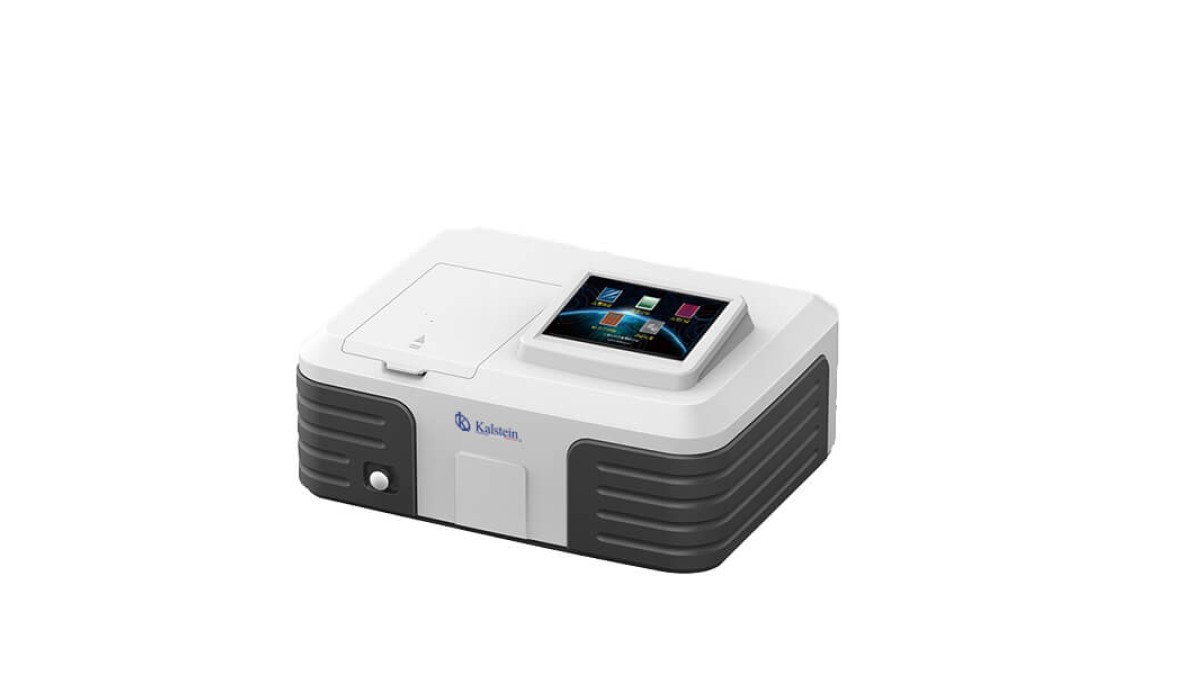
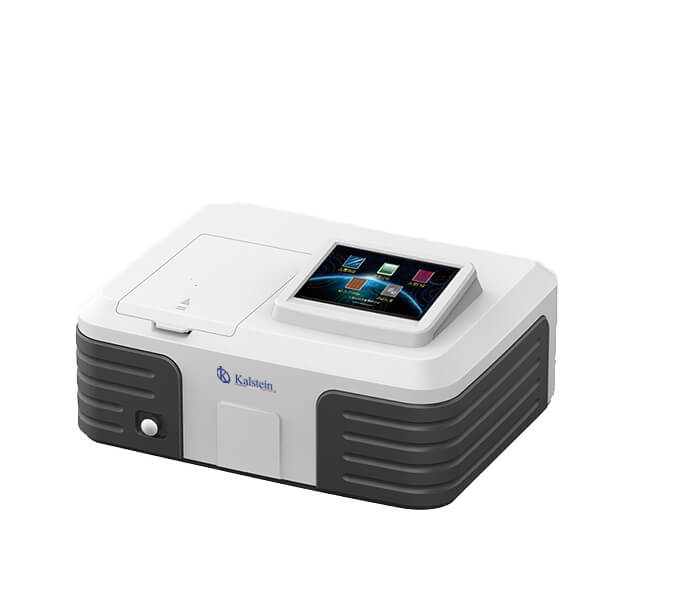
Double Beam Spectrophotometers: Common Errors and How to Avoid Them in Daily Operations 2026
The double beam spectrophotometer is a sophisticated instrument that plays a crucial role in various laboratory applications. However, laboratory professionals often encounter common errors while operating these devices. Understanding these pitfalls along with best practices can greatly enhance the reliability and accuracy of results obtained from these instruments. This article will delve into the applications, history, and best practices for using double beam spectrophotometers effectively in 2026.
What is it used for in 2026
In 2026, double beam spectrophotometers are primarily used in analytical chemistry, biochemistry, and environmental testing. They are essential for measuring the absorbance or transmittance of various samples at different wavelengths, providing critical data for qualitative and quantitative analysis. Some common applications include:
- Measuring concentrations of substances in solution
- Performing kinetic studies on reactions
- Conducting DNA/RNA and protein analysis
- Analyzing the purity of substances
- Quality control in pharmaceutical and food industries
History and evolution of the technology
The double beam spectrophotometer has evolved significantly since its inception. Initially, single beam spectrophotometers were prevalent; however, these instruments faced limitations in stability and accuracy. The introduction of the double beam design in the 1960s addressed these issues by allowing simultaneous measurement of the sample and reference beam, thereby compensating for fluctuations in light intensity. Over the years, advancements in optical components, data analysis software, and user interface technologies have continuously improved the functionality and reliability of these instruments.
How to use it step by step
Using a double beam spectrophotometer involves several steps to ensure accurate readings:
- Preparation: Ensure that the instrument is calibrated and that the proper wavelength is set for the analysis.
- Sample Preparation: Prepare your sample according to the standard protocols, ensuring that it is homogenous and free of bubbles.
- Blank Measurement: Measure the blank solution first to calibrate the instrument against baseline noise.
- Sample Measurement: Insert the sample cuvette into the sample holder and record the absorbance or transmittance.
- Data Recording: Save the data and analyze using applicable software.
- Maintenance: After use, clean the cuvettes and turn off the instrument.
Best techniques and protocols
To optimize the use of double beam spectrophotometers, the following techniques and protocols are recommended:
- Always utilize high-quality quartz or glass cuvettes to minimize stray light.
- Ensure that the sample concentration falls within the linear range of the detector.
- Regularly calibrate the instrument with standard solutions to maintain accuracy.
- Utilize appropriate software for analyzing spectral data, which can provide additional insights into sample composition.
- Document all measurements and conditions for reproducibility and traceability.
Practical applications by laboratory type
Double beam spectrophotometers find applications across various laboratory types, including:
- Chemistry Laboratories: For quantitative analysis of chemical concentrations.
- Biology Laboratories: For DNA quantification and protein assays.
- Environmental Laboratories: For analyzing water quality and pollutant concentrations.
- Pharmaceutical Laboratories: For quality control and verification of drug formulations.
- Food Laboratories: To assess the quality and safety of food products.
Regulations, standards and certifications
In 2026, laboratories utilizing double beam spectrophotometers must comply with various regulations and standards, including:
- ISO 17025 for testing and calibration laboratories
- GLP (Good Laboratory Practice) guidelines
- FDA regulations for pharmaceutical testing
- Environmental regulations for pollutant measurement
Comparison with alternative technologies
While double beam spectrophotometers are widely used, other technologies such as single beam spectrophotometers and multi-wavelength spectrophotometers also exist. The key differences include:
- Single Beam: Less stable and requires frequent recalibration; suitable for simpler applications.
- Multi-wavelength: Allows for simultaneous measurements at various wavelengths; often more complex and costly.
Comparison of available models
| Model | Best for | Key specs | Recommended use case |
|---|---|---|---|
| YR01858 | General laboratory analysis | Range: 320-1100 nm, Accuracy: ±0.5 nm | Routine chemical analysis and photometric measurements |
| YR01862 | Advanced biochemical assays | Range: 190-1100 nm, Reproducibility: ≤0.1nm | Quantitative analysis of proteins and nucleic acids |
| YR01862-1 | Comprehensive spectral analysis | Range: 190-1100 nm, Bandwidth: 1.0 nm | Use in in-depth spectroscopic studies |
| YR01862-2 | High-end laboratory applications | Range: 190-1100 nm, Bandwidth: 0.5 nm | Advanced research requiring high precision |
| YR01864 | Quality control processes | Range: 190-1100 nm, Accuracy: ±0.1nm | Use in pharmaceutical and food safety analysis |
| YR01865 | Versatile laboratory needs | Range: 190-1100 nm, Bandwidth: 0.5 nm | Broad use in various laboratory applications |
Common mistakes and how to avoid them
Laboratory professionals often encounter common mistakes when using double beam spectrophotometers. Here are some frequent errors and tips to avoid them:
- Improper Calibration: Always calibrate with standard solutions before measurements. Regularly check calibration with every new batch of samples.
- Not Using Blanks: Always measure a blank to account for baseline noise. This ensures more accurate results.
- Inconsistent Sample Preparation: Ensure samples are prepared uniformly and free of bubbles to minimize variations in readings.
- Neglecting Maintenance: Regular maintenance checks and cleaning are essential to keep the equipment in optimal condition.
Maintenance, calibration and good practices 2026
To maintain the performance of double beam spectrophotometers in 2026, follow these practices:
- Calibrate regularly, ideally before each use.
- Clean cuvettes immediately after use to prevent contamination.
- Store the instrument in a controlled environment, avoiding extreme temperatures and humidity.
- Periodically check and replace lamps as needed to ensure stable light output.
- Document all maintenance activities to track the instrument's performance over time.
Cost-benefit analysis 2026
When considering the acquisition of a double beam spectrophotometer, it is essential to perform a cost-benefit analysis:
- Initial Investment: Evaluate the purchase price against the budget and financial resources available.
- Operational Costs: Consider the costs associated with calibration, maintenance, and consumables.
- Benefits: Assess the potential for improved productivity, accuracy, and compliance with regulatory standards.
- Return on Investment: Calculate potential returns based on improved efficiency and reduced error rates in laboratory analyses.
Frequently asked questions
What should I consider when choosing a double beam spectrophotometer?
When selecting a double beam spectrophotometer, consider factors such as the wavelength range, bandwidth, accuracy, and intended applications to ensure it meets your laboratory needs.
How often should I calibrate my spectrophotometer?
Calibration should be performed before each use or whenever you change the type of samples you are analyzing to ensure accuracy.
What are the best practices for sample preparation?
Ensure samples are homogenous, free of bubbles, and prepared according to the standard protocols for the specific analysis.
How can I minimize stray light interference?
Use high-quality cuvettes and ensure that the instrument is properly aligned, and that all optical components are clean and free of obstructions.
What should I do if my results seem inconsistent?
Check for common errors such as improper calibration, sample preparation inconsistencies, and ensure that the instrument is clean and well-maintained.
Can I use an older model for current applications?
While older models can be used for some applications, they may lack the precision and features of newer models, which could lead to less accurate results.
Where can I request a quote for purchasing a double beam spectrophotometer?
You can easily request a quote on Kalstein Plus, where we provide a range of options suited to your laboratory requirements.
If you are looking for a fusion of innovation and quality, you have come to the right place. At Kalstein, we offer you the luxury of exploring our exclusive catalog of laboratory equipment. We manufacture every device to the highest standards of excellence. Our intuitive and seamless online purchasing channels are designed for your convenience, securing the most competitive prices. Hesitate no longer — we bring science to life, it is time to become part of our community.