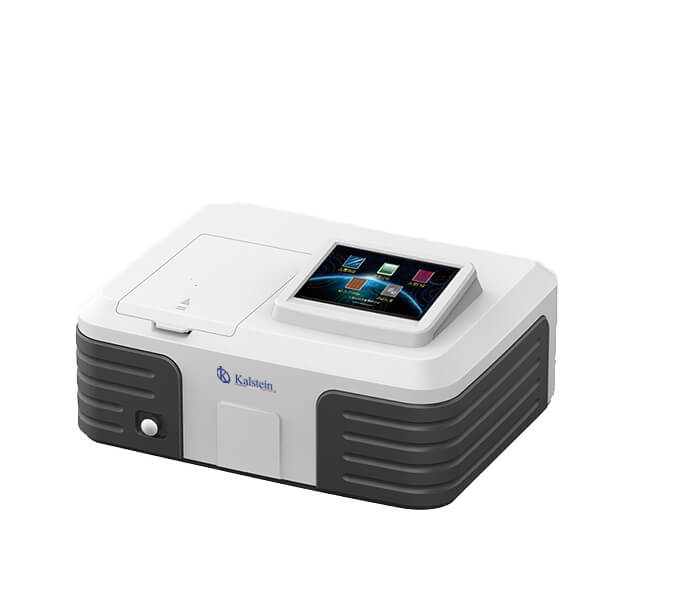
How to Enhance Data Workflow with Double Beam Spectrophotometers through LIMS Integration
In today’s laboratories, efficiency and accuracy are paramount. Double beam spectrophotometers, known for their precision in quantitative analysis, can significantly improve data workflows when integrated with Laboratory Information Management Systems (LIMS). This article delves into how these instruments can be utilized to streamline laboratory operations while reducing manual errors and enhancing data integrity.
Understanding Double Beam Spectrophotometers
Double beam spectrophotometers utilize a dual optical path to measure absorbance, providing high stability and accuracy. This technology allows them to compensate for changes in light intensity, making them ideal for various laboratory applications. The integration of these instruments with LIMS facilitates seamless data management and enhances regulatory compliance.
Benefits of LIMS Integration
Integrating double beam spectrophotometers with LIMS offers numerous advantages:
- Streamlined Data Management: Automated data capture reduces manual entry errors.
- Enhanced Compliance: Maintains regulatory standards through accurate data logging.
- Improved Efficiency: Facilitates faster data access and reporting, allowing for informed decisions.
Key Features of Double Beam Spectrophotometers
When selecting a double beam spectrophotometer for LIMS integration, consider the following features:
- Wide Wavelength Range: Models like YR01858 cover 320-1100 nm, making them versatile for various applications.
- Data Output Options: USB and Bluetooth connectivity in models like YR01862 provide flexibility in data management.
- Advanced Software Capabilities: The ability to perform kinetic measurements and multi-wavelength scans enhances analytical capabilities.
Comparison of Available Models
| Model | Wavelength Range (nm) | Data Connectivity | Best For |
|---|---|---|---|
| YR01858 | 320-1100 | USB, Parallel Port | General laboratory applications |
| YR01862 | 190-1100 | Bluetooth, USB | Advanced research and analysis |
| YR01862-1 | 190-1100 | Bluetooth, USB | High precision measurements |
| YR01862-2 | 190-1100 | Bluetooth, USB | Laboratories needing robust data analysis |
| YR01864 | 190-1100 | USB | Routine testing and quality control |
| YR01865 | 190-1100 | USB | Comprehensive spectroscopic analysis |
Best Practices for Integrating Double Beam Spectrophotometers with LIMS
Successful LIMS integration requires careful planning and execution. Follow these best practices:
- Assess Connectivity: Ensure that your spectrophotometer supports the necessary connectivity protocols such as USB or Bluetooth.
- Standardize Data Formats: Use consistent data formats for easy integration and analysis.
- Training and Support: Provide training for laboratory personnel to optimize usage and troubleshooting.
Common Mistakes and How to Avoid Them
When integrating double beam spectrophotometers with LIMS, laboratories often face pitfalls. Here are common mistakes and how to avoid them:
- Lack of Planning: Failing to plan integration can lead to compatibility issues. Conduct thorough assessments before integration.
- Neglecting User Training: Ensure that all users are familiar with both LIMS and spectrophotometer functionalities to maximize efficiency.
- Underestimating Data Security: Implement robust data security measures to prevent unauthorized access to sensitive information.
Frequently Asked Questions
How can double beam spectrophotometers improve workflow in laboratories?
Double beam spectrophotometers like the YR01858 can significantly enhance laboratory workflow by providing precise measurements and integrating seamlessly with LIMS, thus reducing manual errors and improving data integrity.
What are the connectivity options for double beam spectrophotometers?
Models such as the YR01862 offer versatile connectivity options including USB and Bluetooth, enabling easy data transfer to LIMS for improved data management.
Which double beam spectrophotometer is best for advanced research applications?
The YR01862-1, with a wavelength range of 190-1100 nm and enhanced optical components, is ideal for advanced research applications requiring high precision and reliability.
What role does LIMS play in spectrophotometric analysis?
LIMS facilitates the management of data generated by spectrophotometers like the YR01864, ensuring accurate data logging, compliance, and streamlined reporting processes.
How does the wavelength range affect the choice of a spectrophotometer?
A wide wavelength range, such as 190-1100 nm offered by the YR01862, allows laboratories to perform various analyses across UV, visible, and near-infrared spectra, increasing versatility.
What is the importance of data integrity in laboratory analysis?
Data integrity is crucial in laboratory analysis as it ensures the reliability of results. Instruments like the YR01865, when integrated with LIMS, help maintain high standards of data accuracy and traceability.
How can laboratories ensure compliance with regulatory standards using spectrophotometers?
By integrating double beam spectrophotometers such as the YR01862-2 with LIMS, laboratories can automate data collection and ensure compliance with regulatory standards through proper documentation and audit trails.
What are the main advantages of using a double beam spectrophotometer?
Double beam spectrophotometers like the YR01864 provide high stability and accuracy, which are essential for reliable measurements in various laboratory applications, particularly when integrated with LIMS for better data management.
If you are looking for a fusion of innovation and quality, you have come to the right place. At Kalstein, we offer you the luxury of exploring our exclusive catalog of laboratory equipment. We manufacture every device to the highest standards of excellence. Our intuitive and seamless online purchasing channels are designed for your convenience, securing the most competitive prices. Hesitate no longer — we bring science to life, it is time to become part of our community.