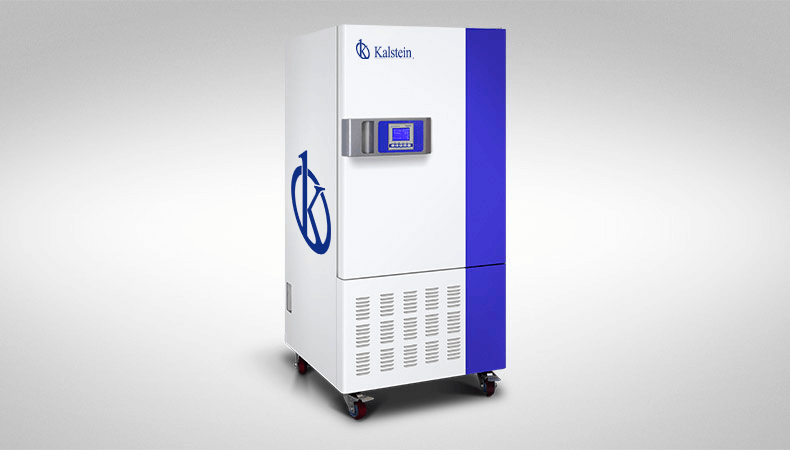
Drug Stability Test Chambers: Practical Applications and Techniques 2026
Drug stability test chambers are essential tools in laboratories, especially in pharmaceutical and biotechnology industries. They simulate environmental conditions to assess the stability of drugs over time. In this article, we will explore how these chambers are used in 2026, their history, step-by-step guides on usage, best techniques, practical applications, and much more.
What is it used for in 2026
In 2026, drug stability test chambers are primarily used to ensure that pharmaceuticals maintain their potency and safety over their intended shelf life. These chambers provide controlled environments where factors such as temperature, humidity, and light can be regulated precisely. This enables laboratory professionals to conduct stability tests according to regulatory standards.
History and evolution of the technology
The evolution of drug stability test chambers has been shaped by advancements in technology and the growing need for stringent quality assurance in pharmaceuticals. Initially, simple incubators were used for stability testing. However, as regulations became more stringent, the technology advanced to include features like precise temperature control, humidity regulation, and data logging capabilities.
How to use it step by step
Using a drug stability test chamber involves several critical steps:
- Prepare samples: Ensure that the drug samples are properly labeled and packaged.
- Set parameters: Configure the chamber settings for temperature, humidity, and light exposure based on the specific protocol.
- Load samples: Place the drug samples inside the chamber, ensuring proper spacing for air circulation.
- Monitor conditions: Regularly check the chamber’s readings to ensure stability conditions are maintained.
- Data collection: Record data at specified intervals, capturing any changes in drug integrity.
- Analysis: After testing, analyze the data to determine the stability of the drug.
Best techniques and protocols
To ensure accurate results, follow these best techniques and protocols:
- Utilize established guidelines from organizations such as the FDA and ICH.
- Implement rigorous documentation practices to track all experimental data.
- Conduct periodic maintenance checks on the stability chamber to ensure functionality.
- Use calibrating instruments to verify the accuracy of temperature and humidity readings.
Practical applications by laboratory type
Drug stability test chambers are utilized across various laboratory types:
- Pharmaceutical laboratories: For testing the stability of new drug formulations.
- Biotechnology labs: To assess the viability of biopharmaceuticals under controlled conditions.
- Food industry: For ensuring that food products maintain their integrity over time.
Regulations, standards and certifications
Compliance with regulations is crucial in stability testing. Standards set by the FDA and guidelines from the ICH outline required practices for stability testing. Certificates of compliance are often necessary to validate testing procedures and results.
Comparison with alternative technologies
While there are alternative technologies such as Freeze Drying and Lyophilization, drug stability test chambers offer unique advantages. They provide controlled environmental conditions that are easier to manage compared to other methods, making them the preferred choice for many laboratories.
Comparison of available models
| Model | Best for | Key specs | Recommended use case |
|---|---|---|---|
| YR05350 | Pharmaceutical stability testing | Temperature range: 0~60°C, Humidity range: 50~90% HR, Price: $2500.00 | Ideal for rigorous testing of drug formulations. |
| YR05351 | Biotechnology applications | Temperature range: 0~60°C, Humidity range: 50~90% HR, Price: $2940.00 | Best suited for biopharmaceutical stability evaluations. |
| YR05352 | Food and drug testing | Temperature range: 0~60°C, Humidity range: 50~90% HR, Price: $3900.00 | Suitable for both pharmaceuticals and food stability tests. |
Common mistakes and how to avoid them
Avoid common pitfalls such as:
- Failing to calibrate equipment regularly, which can lead to inaccurate results.
- Not following documented protocols, risking non-compliance with regulatory standards.
- Overloading the chamber, which can hinder air circulation and affect results.
Maintenance, calibration and good practices 2026
To maintain the integrity of drug stability test chambers:
- Implement a regular maintenance schedule that includes cleaning and inspection.
- Calibrate the chamber at least quarterly or as per manufacturer specifications.
- Document all maintenance activities for compliance and reference.
Cost-benefit analysis 2026
When evaluating the cost of drug stability test chambers, consider:
- Initial investment versus the necessity of compliance with federal regulations.
- Potential savings from avoiding product recalls due to stability failures.
- Long-term benefits of enhanced product reliability and marketability.
Frequently asked questions
What are the key features to look for when choosing a drug stability test chamber?
When selecting a drug stability test chamber, consider features such as precise temperature and humidity control, data logging capabilities, and the chamber's compliance with regulatory standards.
How often should I calibrate my drug stability test chamber?
It is recommended to calibrate your drug stability test chamber at least quarterly or as specified by the manufacturer to ensure accuracy and compliance.
Can I use a drug stability test chamber for other applications?
Yes, these chambers can be used for various applications beyond pharmaceuticals, including food stability testing and biotechnology evaluations.
What common mistakes should I avoid during stability testing?
Avoid overloading the chamber, failing to follow protocols, and neglecting regular maintenance, all of which can compromise test results.
How can I ensure compliance with regulatory standards during testing?
Follow established guidelines from organizations like the FDA and ICH, maintain thorough documentation, and keep your equipment calibrated and well-maintained.
What is the average lifespan of a drug stability test chamber?
The lifespan can vary by manufacturer and usage, but with proper maintenance, they typically last between 10 to 15 years.
If you are looking for a fusion of innovation and quality, you have come to the right place. At Kalstein, we offer you the luxury of exploring our exclusive catalog of laboratory equipment. We manufacture every device to the highest standards of excellence. Our intuitive and seamless online purchasing channels are designed for your convenience, securing the most competitive prices. Hesitate no longer — we bring science to life, it is time to become part of our community.