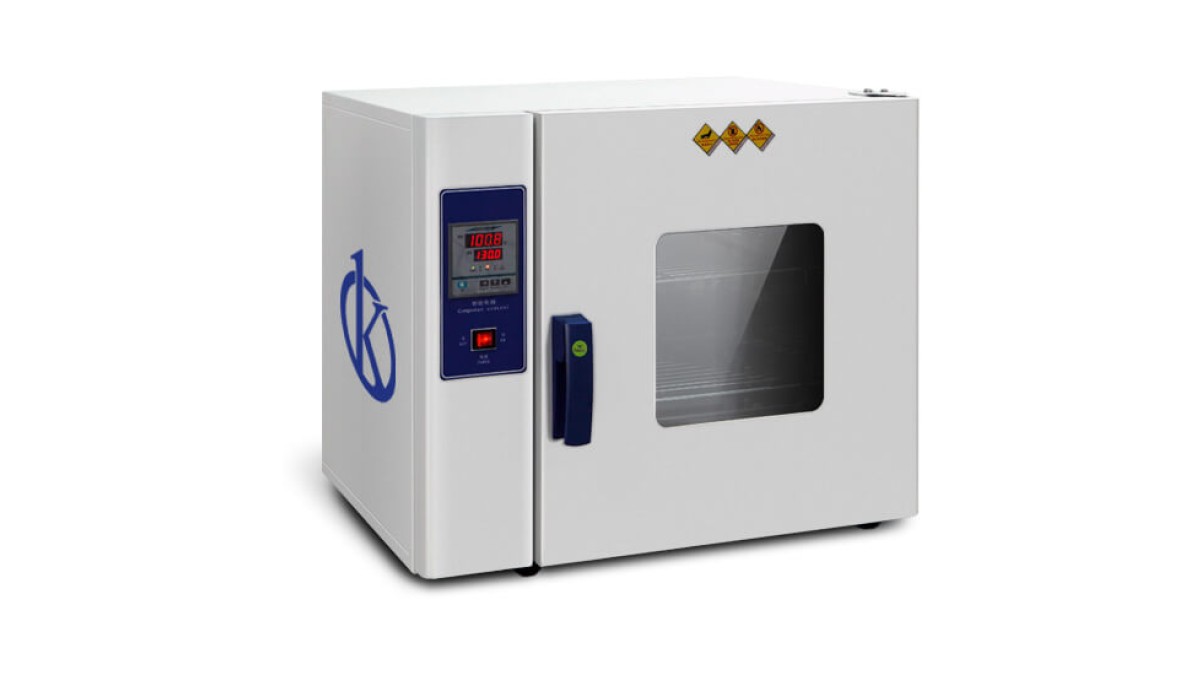
Drying Ovens: Applications in Research, Biotechnology and Academia 2026
What is it used for in 2026
Drying ovens are essential tools in laboratories, particularly within fields like research, biotechnology, and academia. In 2026, these ovens are utilized for various applications, including drying samples, sterilization of equipment, maintaining constant temperatures for tests, and treatment processes. Their ability to provide controlled temperature environments makes them crucial for experiments requiring precision. The advancements in technology have improved their efficiency and ease of use, allowing laboratory professionals to achieve consistent results.
History and evolution of the technology
The concept of drying ovens dates back to the early days of laboratory science, where rudimentary designs were employed to dry samples. Over the decades, advancements have led to the development of electric heating drying ovens that use advanced PID controllers for precision temperature management. The introduction of digital displays, timers, and enhanced safety features have paved the way for modern drying ovens to meet the rigorous demands of contemporary laboratories.
How to use it step by step
Using a drying oven involves several steps to ensure optimal results:
- Preparation: Ensure the oven is clean and free from previous samples.
- Setting the Temperature: Depending on the material to be dried, set the appropriate temperature using the digital control panel.
- Loading Samples: Place samples inside the drying oven, ensuring there is enough space for air circulation.
- Time Setting: Adjust the timer based on the drying requirements of the material.
- Monitoring: Periodically check the samples and internal temperature during the drying process.
- Completion: Once the timer goes off, allow samples to cool slightly before removing them.
Best techniques and protocols
When utilizing drying ovens, following best practices is vital for achieving accurate results:
- Always preheat the oven before placing samples inside.
- Use a thermometer to verify the internal temperature against the setpoint.
- Ensure proper ventilation to avoid overheating and damage to samples.
- Document drying times and temperature settings for reproducibility.
- Follow specific protocols for different materials to prevent degradation or contamination.
Practical applications by laboratory type
Different laboratories utilize drying ovens for distinct applications:
- Research Laboratories: Used for drying specimens, sterilizing glassware, and preparing samples for analysis.
- Biotechnology Laboratories: Employed for drying biological samples and maintaining controlled conditions for cultures.
- Academic Institutions: Used in teaching laboratories for experiments and practical demonstrations related to drying processes.
Regulations, standards and certifications
Compliance with specific regulations and standards is crucial when using drying ovens. Laboratories must adhere to guidelines set by organizations such as ISO and ASTM, which dictate the operational standards for laboratory equipment. Regular inspections and certifications ensure that drying ovens deliver reliable results, maintaining lab safety and integrity.
Comparison with alternative technologies
While drying ovens are widely used, alternative technologies exist for drying materials:
- Desiccators: Effective for moisture-sensitive samples but lack temperature control.
- Vacuum Drying: Offers faster drying by reducing pressure but can be costly and complex to operate.
- Microwave Drying: Provides rapid moisture removal but may not be suitable for all samples.
Comparison of available models
| Model | Best for | Key specs | Recommended use case |
|---|---|---|---|
| YR05244 | General laboratory drying | Temperature range: RT+5~250℃, Precision: ±0.1℃ | Ideal for drying and sterilizing laboratory glassware. |
| YR05245 | Higher volume drying | Temperature range: RT+5~250℃, Precision: ±0.1℃ | Recommended for extensive drying processes in larger labs. |
| YR05246 | Precision applications | Temperature range: RT+5~250℃, Precision: ±0.1℃ | Best for experiments requiring high temperature uniformity. |
| YR05247 | Heavy-duty use | Temperature range: RT+5~250℃, Precision: ±0.1℃ | Suitable for repeated use in demanding laboratory environments. |
| YR05248-A | Routine laboratory tasks | Temperature range: RT+5~250℃, Precision: ±1℃ | Cost-effective for daily drying needs in academic labs. |
| YR05249-A | Versatile applications | Temperature range: RT+5~250℃, Precision: ±1℃ | Adaptable for various drying processes across different fields. |
Common mistakes and how to avoid them
Laboratory professionals may encounter common pitfalls when using drying ovens:
- Incorrect Temperature Settings: Always double-check temperature settings before starting the drying process.
- Overloading the Oven: Avoid overcrowding to ensure proper air circulation and uniform drying.
- Ignoring Maintenance: Regularly clean and maintain drying ovens to uphold their performance.
Maintenance, calibration and good practices 2026
To ensure longevity and accuracy, it is essential to perform regular maintenance:
- Clean the interior and exterior of the oven to prevent contamination.
- Calibrate temperature sensors annually to maintain precision.
- Inspect seals and gaskets regularly to prevent air leaks.
Cost-benefit analysis 2026
Investing in drying ovens is critical for laboratories that prioritize efficiency and accuracy. The initial cost of these ovens is often outweighed by the benefits of improved drying speed and reduced error rates. Additionally, modern drying ovens consume less energy, contributing to long-term savings on operational costs.
Frequently asked questions
What should I consider when choosing a drying oven?
When selecting a drying oven, consider the temperature range, capacity, precision of temperature control, and the specific applications you plan to use it for. Evaluate the space available in your lab and the types of materials you will be drying.
How do I know which model is best for my laboratory?
Identify your laboratory's primary needs, such as the volume of samples and the required drying temperatures. Each model has specific strengths; for instance, heavy-duty models are suited for more extensive applications, while precision models cater to sensitive materials.
Can I use a drying oven for sterilization?
Yes, drying ovens can be effectively used for sterilization processes. Ensure that the temperature and duration meet the specific requirements for sterilizing the materials you are working with.
What is the importance of regular maintenance for drying ovens?
Regular maintenance is crucial to ensure the optimal performance and longevity of your drying oven. This includes cleaning, calibration, and inspection, which help prevent issues that may lead to inaccurate results or equipment failure.
How do I prevent contamination in my drying oven?
To prevent contamination, maintain strict cleanliness in and around the oven. Regularly clean the oven after use and ensure that all samples are appropriately prepared before being placed inside.
What are the energy consumption levels of modern drying ovens?
Modern drying ovens are designed to be energy-efficient, with many models featuring insulation and advanced control systems that optimize energy use. Check specifications for power consumption ratings to choose an energy-efficient model.
How can I request a quote for a drying oven?
To request a quote for a drying oven, you can visit our platform and fill out the inquiry form, or contact our customer service team for assistance in choosing the right model for your needs.
If you are looking for a fusion of innovation and quality, you have come to the right place. At Kalstein, we offer you the luxury of exploring our exclusive catalog of laboratory equipment. We manufacture every device to the highest standards of excellence. Our intuitive and seamless online purchasing channels are designed for your convenience, securing the most competitive prices. Hesitate no longer — we bring science to life, it is time to become part of our community.