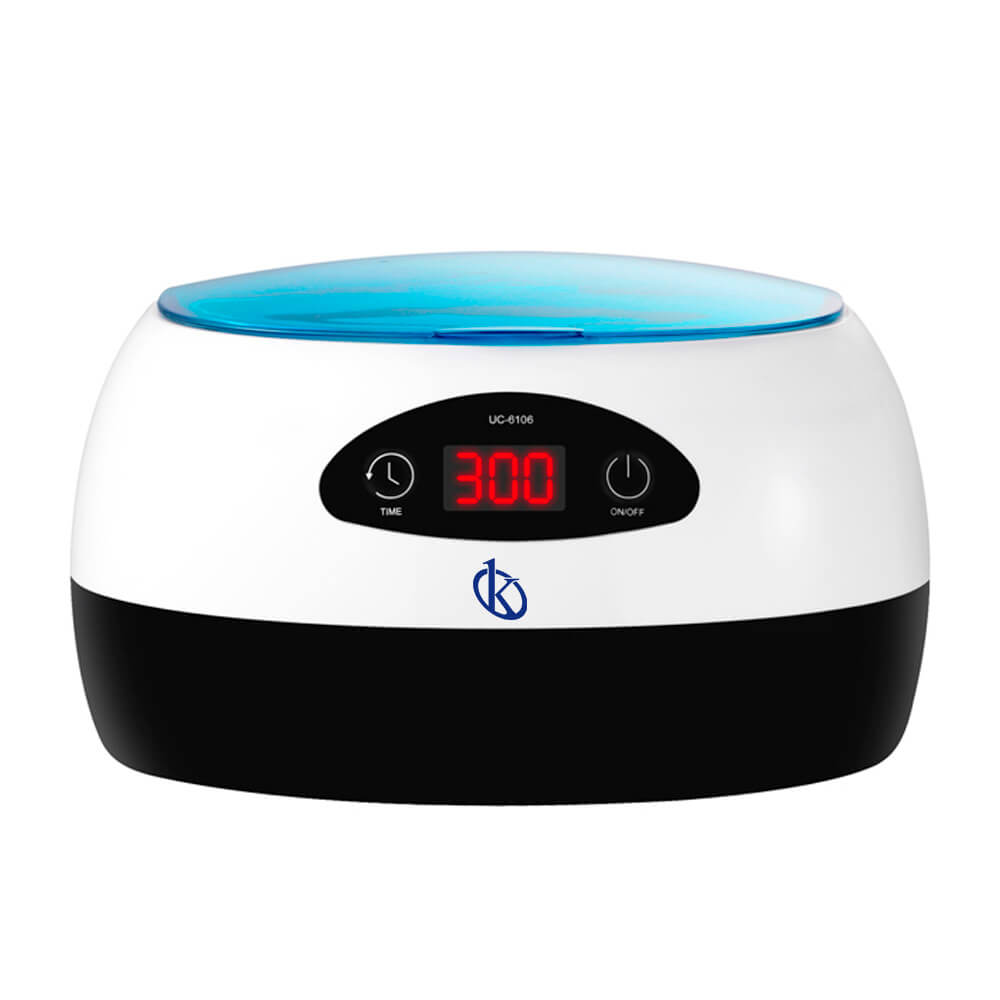
How to Achieve Effective Data Digitization with Digital Desktop Ultrasonic Cleaners
Digital desktop ultrasonic cleaners provide an excellent solution for laboratories seeking to enhance their cleaning processes. With the integration of Laboratory Information Management Systems (LIMS), these cleaners can not only streamline workflows but also facilitate the digitization of data. In this article, we will explore how to effectively leverage these ultrasonic cleaners in your laboratory setting, the benefits of their digital capabilities, the models available, and common mistakes to avoid.
Understanding the Role of Digital Desktop Ultrasonic Cleaners
Digital desktop ultrasonic cleaners are designed for various applications, including cleaning jewelry, dental instruments, and laboratory glassware. They utilize ultrasonic waves to create microscopic bubbles in a cleaning solution, enabling thorough cleaning without the risk of damaging the items. When integrated with LIMS, these devices can significantly enhance data handling and operational efficiency.
Benefits of Integrating Ultrasonic Cleaners with LIMS
The integration of ultrasonic cleaners with LIMS offers numerous advantages, such as improved accuracy in tracking cleaning cycles, automated logging of cleaning data, and enhanced compliance with industry standards. By digitizing the cleaning process, laboratories can ensure better traceability and accountability, which is essential for maintaining high-quality standards.
Comparison of Available Models
| Model | Capacity (L) | Power (W) | Ultrasonic Frequency (KHz) | Best for |
|---|---|---|---|---|
| YR05231 | 0.75 | 50 | 42 | Jewelry cleaning |
| YR05232 | 1.4 | 60 | 40 | General household items |
| YR05229 | 0.6 | 50 | 42 | Lens cleaning |
| YR05230 | 2.5 | 60 | 42 | Dental and jewelry cleaning |
Common Mistakes and How to Avoid Them
When integrating digital desktop ultrasonic cleaners with LIMS, laboratories often encounter several pitfalls. One common mistake is failing to properly configure the LIMS to sync with the ultrasonic cleaner's operational data. This can lead to discrepancies in tracking cleaning cycles. To avoid this, ensure that both systems are compatible and that data protocols are correctly established. Additionally, not training staff on the new integrated system can hinder its effectiveness. Regular training sessions can mitigate this issue.
Maximizing Efficiency through Data Digitization
Data digitization through LIMS integration allows ultrasonic cleaner users to optimize their workflows. By accurately logging the frequency and duration of cleaning cycles, laboratories can analyze the efficiency of their cleaning processes. This information can be used to identify areas for improvement, ensuring that all cleaning tasks are performed optimally and in compliance with industry standards.
Choosing the Right Ultrasonic Cleaner for Your Laboratory
Selecting an appropriate digital desktop ultrasonic cleaner involves consideration of your specific cleaning needs. For instance, the YR05230 model is ideal for dental and jewelry applications due to its higher capacity (2.5L). In contrast, smaller models like the YR05229 are perfect for cleaning delicate items such as lenses. Evaluating your laboratory's requirements will ensure that you choose the most suitable model.
Key Features to Look For in Ultrasonic Cleaners
When evaluating digital desktop ultrasonic cleaners, certain features should be prioritized. Look for models with adjustable cleaning times, like the YR05231, which offers five adjustable time settings up to 300 seconds. Additionally, consider the ultrasonic frequency, as this can affect the cleaning efficiency. A frequency of 40-42 KHz is optimal for most laboratory cleaning tasks.
Frequently Asked Questions
What are the best practices for LIMS integration with ultrasonic cleaners?
To ensure effective LIMS integration with ultrasonic cleaners, laboratories should configure data transfer protocols correctly. For instance, the YR05230 can log cleaning data directly to the LIMS, enabling real-time monitoring. Regular audits and training will help maintain accuracy and efficiency in the integration process.
How does the YR05232 model enhance data digitization in cleaning processes?
The YR05232 model features advanced ultrasonic cleaning technology that can be easily integrated with LIMS. This allows for automated data logging and tracking, ensuring that cleaning processes are documented accurately and efficiently.
Which ultrasonic cleaner is best for sensitive laboratory equipment?
The YR05229, with its compact design and lower power output, is ideal for cleaning sensitive laboratory equipment such as lenses. Its ultrasonic frequency of 42 KHz minimizes the risk of damage while ensuring thorough cleaning.
How can I ensure compliance with industry standards using ultrasonic cleaners?
Using models like the YR05230, which offers a robust cleaning capacity and efficient performance, enables laboratories to comply with industry standards. Regular documentation and LIMS integration help maintain traceability and compliance during cleaning processes.
What is the role of ultrasonic frequency in cleaning efficiency?
Ultrasonic frequency significantly affects cleaning efficiency; frequencies between 40 KHz and 42 KHz, as seen in the YR05231 model, are optimal for most cleaning applications. Higher frequencies are better for delicate items, while lower frequencies are effective for tougher contaminants.
How often should ultrasonic cleaners be calibrated for optimal performance?
Calibration frequencies depend on usage intensity, but a general guideline is to calibrate ultrasonic cleaners like the YR05230 quarterly to ensure consistent cleaning performance and compliance with operational standards.
What are the advantages of using a digital desktop ultrasonic cleaner over traditional methods?
Digital desktop ultrasonic cleaners, such as the YR05232, provide automated and thorough cleaning compared to traditional methods. They reduce manual labor, ensure consistency, and enhance data tracking through LIMS integration, leading to improved operational efficiency.
How do I choose the right model for jewelry cleaning?
For jewelry cleaning, the YR05231 is highly recommended due to its 0.75L capacity and efficient cleaning power of 50W. Its digital features help ensure that cleaning processes are optimized while maintaining data integrity through LIMS integration.
If you are looking for a fusion of innovation and quality, you have come to the right place. At Kalstein, we offer you the luxury of exploring our exclusive catalog of laboratory equipment. We manufacture every device to the highest standards of excellence. Our intuitive and seamless online purchasing channels are designed for your convenience, securing the most competitive prices. Hesitate no longer — we bring science to life, it is time to become part of our community.