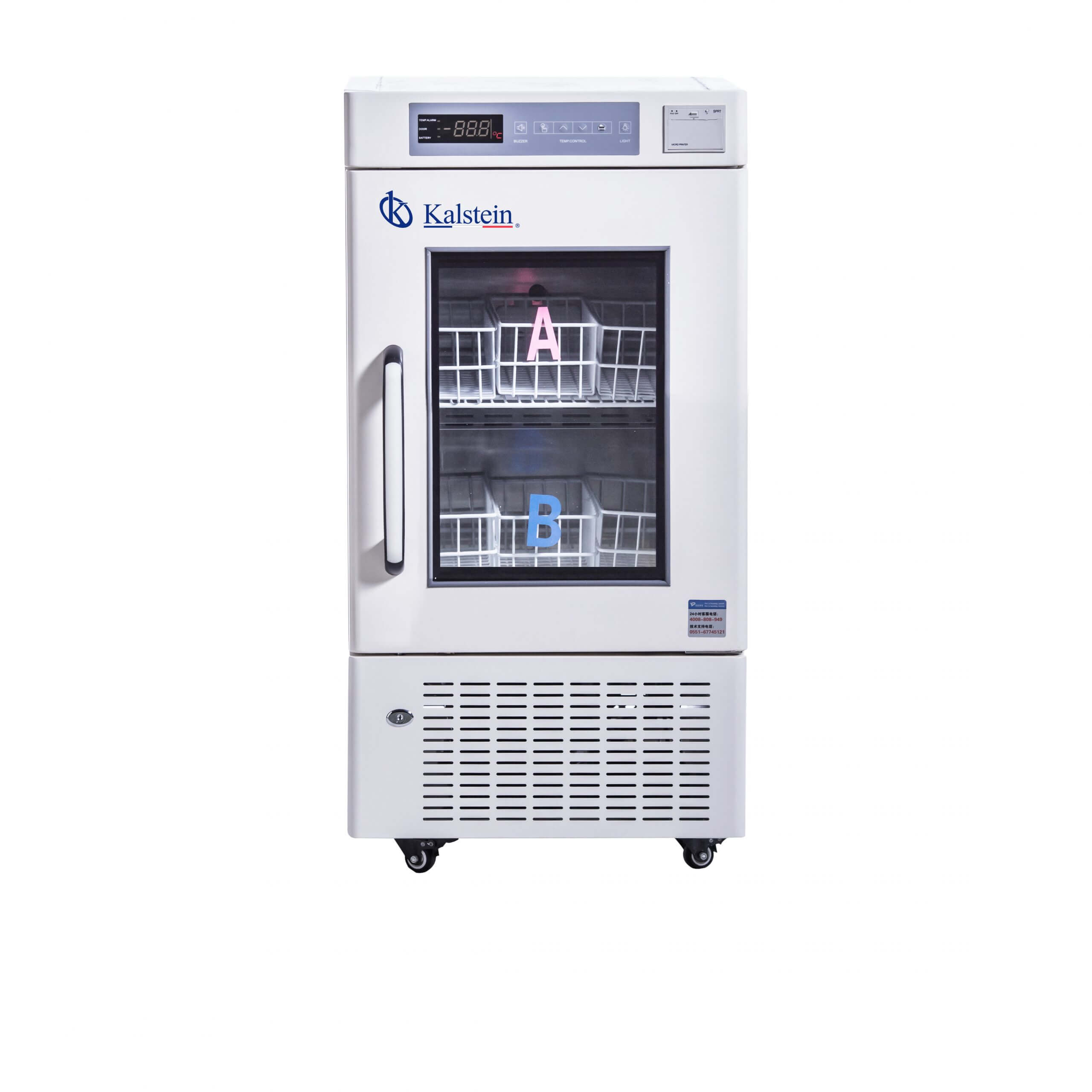
Energy Sustainability and Environmental Footprint Reduction in Blood Bank Refrigerators
As laboratory professionals increasingly focus on sustainability and environmental responsibility, the selection of blood bank refrigerators has become a critical consideration. These refrigerators not only preserve vital blood products but also contribute to energy efficiency and a reduced carbon footprint. This article delves into the significance of energy sustainability in blood bank refrigerators, comparing various models based on environmental impact, energy consumption, and operational efficiency.
Understanding Energy Sustainability in Blood Bank Refrigerators
Energy sustainability in blood bank refrigeration involves utilizing energy-efficient technologies and practices that minimize energy consumption while maintaining the required storage conditions for blood products. Key factors to consider include energy consumption in kilowatt-hours, refrigerant types, and overall design optimized for energy efficiency.
Refrigerant Types and Their Environmental Impact
Modern blood bank refrigerators use refrigerants that comply with environmental regulations. For instance, models like the YR05091 and YR05092 utilize R134a, which is less harmful to the ozone layer compared to older refrigerants. The choice of refrigerant is crucial in reducing the overall environmental impact associated with refrigerant leakage.
Energy Consumption Metrics
A critical metric for evaluating the sustainability of blood bank refrigerators is their energy consumption measured in kilowatt-hours per day (kWh/day). For instance, the YR05091 consumes approximately 1.95 kWh/day, while the YR05092 uses about 2.22 kWh/day. Monitoring these figures helps laboratories make informed decisions on energy-efficient purchases.
Comparative Analysis of Blood Bank Refrigerator Models
Below is a comparative overview of various blood bank refrigerator models considering their energy efficiency and environmental impact:
| Model | Daily Energy Consumption (kWh) | Refrigerant | Best Use Case |
|---|---|---|---|
| YR05091 | 1.95 | R134a | Smaller facilities needing efficient blood storage |
| YR05092 | 2.22 | R134a | Medium-sized facilities with moderate storage needs |
| YR05094 | 6.31 | R134a | High-capacity storage for larger blood banks |
| YR05098 | 3.4 | R290 | Environmentally-conscious facilities |
| YR05292 | 9.5 | R134a | Large-scale blood storage operations |
Common Mistakes and How to Avoid Them
Laboratory professionals often make mistakes in the selection and operation of blood bank refrigerators that can lead to increased energy consumption and environmental impacts. Here are common pitfalls and strategies to avoid them:
- Ignoring Energy Ratings: Always check the energy efficiency ratings of refrigerators. Models with higher ratings will generally have lower operational costs.
- Failing to Regularly Maintain Equipment: Regular maintenance is essential for ensuring optimal performance and energy efficiency. Schedule routine checks to avoid energy wastage.
- Not Considering Size Requirements: Selecting a refrigerator that is too large for the application can lead to unnecessary energy expenditure. Assess storage needs carefully before purchasing.
Exploring Temperature Control Technologies
Temperature control is vital in blood bank refrigeration. Efficient temperature regulation depends on advanced technologies that maintain consistent storage conditions. Microprocessor-controlled units like the YR05091 and YR05092 are equipped with digital displays that provide real-time monitoring, ensuring optimal blood storage temperatures.
Benefits of Automatic Defrosting
Automatic defrosting features, as seen in models like the YR05094, help to maintain consistent temperatures and reduce energy usage associated with manual defrosting processes. This feature is particularly important in environments with variable humidity levels, as it prevents frost build-up that can compromise temperature control.
Comparative Analysis of Environmental Footprints
Environmental footprint assessments consider both direct and indirect impacts of blood bank refrigerators. Direct impacts include energy consumption and refrigerant leakage, while indirect impacts encompass the lifecycle emissions associated with manufacturing and disposing of the units.
| Model | Direct Energy Consumption (kWh/year) | Refrigerant Type | Lifecycle Assessment (CO2 Emissions) |
|---|---|---|---|
| YR05091 | 712 | R134a | Low |
| YR05092 | 813 | R134a | Moderate |
| YR05094 | 2313 | R134a | High |
| YR05098 | 1241 | R290 | Low |
| YR05292 | 2885 | R134a | High |
Regulatory Compliance and Sustainability Standards
Compliance with regulatory standards is paramount in selecting blood bank refrigerators. Models must meet specific guidelines to ensure safe storage of blood products. Regulations such as ISO 17025 and ISO 15189 establish requirements for laboratory environments, including temperature and energy management practices.
Meeting ISO Standards through Energy Efficiency
Models like the YR05091 and YR05092 not only facilitate compliance with ISO standards but also enhance energy efficiency through their innovative designs. By selecting models that meet these standards, laboratories can ensure quality while prioritizing sustainability.
Frequently Asked Questions
How can I evaluate the energy consumption of blood bank refrigerators effectively?
To evaluate energy consumption, check the kWh/day metrics provided by manufacturers. For instance, the YR05091 has a daily energy consumption of 1.95 kWh, making it an efficient choice for smaller facilities.
What are the sustainability benefits of using R290 refrigerant in freezers?
R290 is an environmentally friendly refrigerant used in models like the YR05098, which has a low global warming potential. This contributes to lower carbon footprints compared to traditional refrigerants.
Which blood bank refrigerator model is the most energy-efficient for small labs?
The YR05091 is recommended for small labs due to its energy consumption of 1.95 kWh/day and effective temperature control, ensuring compliance with storage regulations.
How does automatic defrosting impact energy efficiency in blood bank refrigerators?
Automatic defrosting, featured in the YR05094, maintains optimal temperature levels and reduces energy consumption associated with manual defrosting, thus enhancing overall efficiency.
What role does regular maintenance play in blood bank refrigerator efficiency?
Regular maintenance ensures that models like the YR05092 operate at peak efficiency, reducing energy usage and prolonging the lifespan of the unit, ensuring regulatory compliance.
How can I ensure compliance with ISO standards with my blood bank refrigerator?
Choosing models like the YR05091 that adhere to ISO standards for energy and temperature regulation is crucial for compliance and maintaining the quality of stored blood products.
What is the environmental footprint of using a blood bank refrigerator?
The environmental footprint involves energy consumption and refrigerant emissions. For example, the YR05292 has higher energy consumption leading to a larger footprint compared to the YR05091.
How do I select the right blood bank refrigerator based on usage needs?
Assess your storage capacity requirements and energy consumption metrics. For instance, if you need to store larger quantities, the YR05094 may be a better fit due to its higher storage capacity.
If you are looking for a fusion of innovation and quality, you have come to the right place. At Kalstein, we offer you the luxury of exploring our exclusive catalog of laboratory equipment. We manufacture every device to the highest standards of excellence. Our intuitive and seamless online purchasing channels are designed for your convenience, securing the most competitive prices. Hesitate no longer — we bring science to life, it is time to become part of our community.