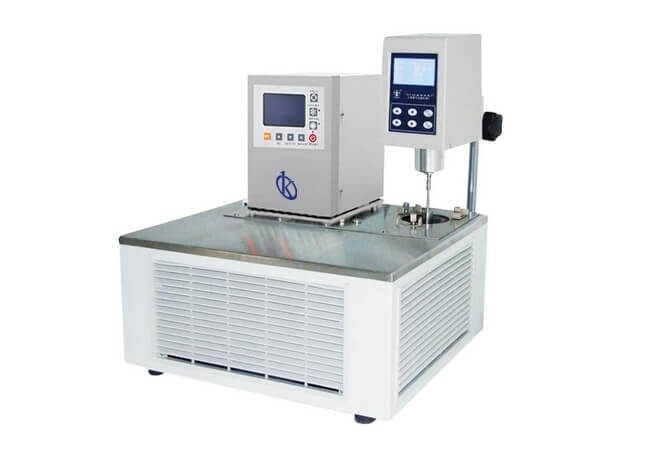
How Energy Sustainability and Environmental Impact Shape Bath Circulators
As laboratory professionals increasingly prioritize energy sustainability and reducing environmental footprints, the bath circulator family has emerged as a key player in achieving these goals. This article delves into the specific features, technologies, and practices associated with bath circulators that enhance their energy efficiency and environmental performance.
Understanding Energy Sustainability in Bath Circulators
Energy sustainability refers to the ability of equipment to operate efficiently while minimizing energy consumption and environmental impact. In the context of bath circulators, this includes factors such as energy consumption per run, the materials used in construction, and the lifecycle assessment of the equipment. By choosing bath circulators that are designed with these principles in mind, laboratories can not only reduce their operating costs but also contribute to broader environmental goals.
Comparative Analysis of Bath Circulators
When assessing bath circulators for their energy sustainability and environmental impact, it is crucial to consider specific models and their capabilities. The following table compares various models based on key specifications and features that support energy efficiency.
| Model Code | Temperature Range (°C) | Power Consumption (W) | Key Features | Best Application |
|---|---|---|---|---|
| YR04985 | -5 to 99.9 | 1000 | High precision, low fluctuation | Viscometry |
| YR04999 | -30 to 100 | 1367 | High-efficiency refrigeration | Electronic component testing |
| YR04996 | -5 to 100 | 867 | PID control, low noise | Chemical synthesis |
| YR04988 | -20 to 100 | 617 | Stainless steel construction | Life sciences experiments |
| YR04989 | -30 to 100 | 717 | PID temperature control | Biological testing |
| YR04986 | -5 to 100 | 500 | Efficient cooling and heating | General laboratory use |
Promoting Energy Reduction Tactics in Laboratory Settings
To enhance energy sustainability, laboratories should adopt various tactics when utilizing bath circulators. These include optimizing temperature settings, maintaining equipment regularly, and using energy-efficient practices. For example, setting the YR04985 circulator to operate at the necessary temperature range without excessive cooling or heating can significantly lower energy consumption. Additionally, routine maintenance ensures the circulators operate at maximum efficiency.
Environmental Benefits of Modern Bath Circulators
Modern bath circulators are designed with environmental considerations in mind. Many models utilize refrigerants with lower global warming potential, helping to reduce the overall carbon footprint. The YR04999, for instance, is equipped with a high-efficiency compressor that minimizes energy waste while maintaining optimal performance. This not only supports energy sustainability but also aligns with global efforts to mitigate climate change.
Lifecycle Assessment of Bath Circulators
Conducting a lifecycle assessment (LCA) of bath circulators can provide insight into their environmental impact from production to disposal. This assessment evaluates resource consumption and emissions at every stage of a product's life. By opting for circulators made from recyclable materials, such as the stainless steel used in the YR04996 model, laboratories can ensure a lower environmental footprint when the equipment reaches the end of its life.
Case Studies on Energy Use and Savings
Several laboratories have reported significant energy savings by implementing energy-efficient bath circulators. For example, a research institute utilizing the YR04988 model reported a 30% reduction in energy costs by optimizing the usage of their circulators during off-peak hours. These strategic adjustments not only reduced costs but also minimized the environmental impact associated with energy consumption.
Common Mistakes and How to Avoid Them
Laboratory professionals often overlook the importance of calibration and maintenance, which can lead to inefficiencies and increased energy consumption. It is essential to regularly calibrate models like the YR04989 to ensure accurate temperature settings and optimal performance. Additionally, misusing temperature settings or running more samples than necessary can waste energy and resources. To avoid these pitfalls, proper training and usage protocols should be established.
Frequently Asked Questions
How can bath circulators reduce the energy footprint in laboratory settings?
Bath circulators, particularly models like YR04999, are designed to operate efficiently with high-performance compressors, leading to reduced energy consumption during experiments. By optimizing their use, laboratories can significantly lower their overall energy footprint.
What are the energy-saving features of the YR04988 bath circulator?
The YR04988 model incorporates PID temperature control and stainless steel construction, which enhances energy efficiency and reduces waste. These features contribute to lower operational costs and a reduced environmental impact in laboratory settings.
Which bath circulator is best for environmental sustainability?
The YR04996 model is particularly noted for its low energy consumption and efficient cooling and heating capabilities. Its design and materials also support sustainability, making it an excellent choice for environmentally conscious laboratories.
How does proper maintenance affect the performance of bath circulators?
Regular maintenance ensures that models like YR04985 operate optimally, avoiding energy waste and extending their lifespan. Timely calibration and servicing are crucial for maintaining efficiency and performance in laboratory applications.
What is the impact of utilizing high-quality materials in bath circulators?
Using high-quality materials, such as those found in the YR04986 model, enhances durability, performance, and energy efficiency. This not only contributes to longer equipment life but also minimizes environmental impact through reduced waste.
How can laboratories measure the ROI on energy-efficient bath circulators?
To calculate ROI, laboratories can analyze energy savings generated by using models like the YR04999 over time, comparing these savings against initial costs and operational expenses. This assessment helps quantify the benefits of investing in energy-efficient equipment.
What practices can enhance the sustainability of bath circulators?
Implementing best practices such as optimizing temperature settings, performing routine maintenance, and adopting energy-efficient operating techniques can significantly enhance the sustainability of bath circulators like the YR04985 in laboratory environments.
Conclusion
As laboratories continue to focus on energy sustainability and reducing their environmental impact, bath circulators play a vital role in achieving these objectives. By choosing models designed for efficiency and sustainability, such as the YR04996 and YR04988, laboratories can not only improve their operational performance but also contribute positively to their overall environmental goals.
If you are looking for a fusion of innovation and quality, you have come to the right place. At Kalstein, we offer you the luxury of exploring our exclusive catalog of laboratory equipment. We manufacture every device to the highest standards of excellence. Our intuitive and seamless online purchasing channels are designed for your convenience, securing the most competitive prices. Hesitate no longer — we bring science to life, it is time to become part of our community.