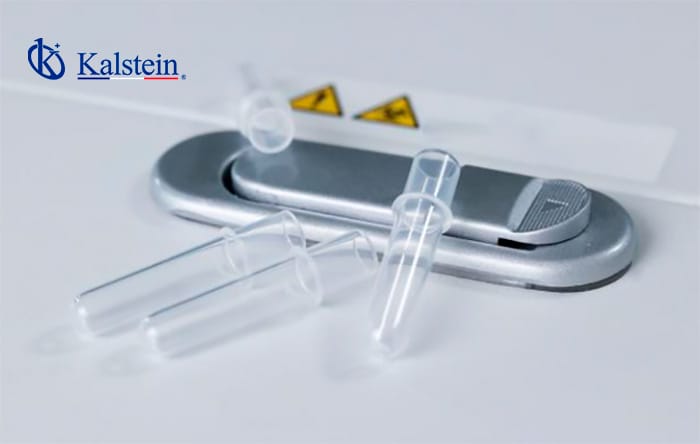
Energy Sustainability and Environmental Footprint Reduction in Chemiluminescence Consumables
In today's laboratory environment, energy sustainability and environmental footprint reduction are pressing concerns, especially regarding chemiluminescence consumables. With increasing regulatory pressures and public awareness regarding environmental issues, laboratories are urged to adopt practices that minimize waste and energy consumption. This article will delve into essential strategies and considerations for laboratory professionals aiming to select chemiluminescence consumables that align with sustainability goals.
Understanding the Importance of Energy Sustainability in Laboratories
Energy sustainability refers to the ability to meet current energy needs without compromising the capacity of future generations to meet theirs. In laboratories, energy consumption can be significant, especially with high-demand equipment and consumables. By focusing on sustainable practices, laboratories can reduce costs, enhance operational efficiency, and contribute to environmental protection.
Various strategies, including optimizing equipment use, investing in energy-efficient products, and implementing waste reduction techniques, play critical roles in achieving energy sustainability. Specifically, chemiluminescence consumables can be chosen based on their energy efficiency and environmental impact, thereby aligning laboratory operations with broader sustainability initiatives.
Strategies for Reducing Environmental Footprint in Chemiluminescence Testing
Reducing the environmental footprint in chemiluminescence testing involves evaluating and optimizing the use of consumables and associated processes. Several approaches can be implemented:
- Selection of Eco-Friendly Consumables: Choose chemiluminescence consumables like Reaction Cuvette YRA400 which offers high-quality performance with minimal waste.
- Minimizing Reagent Use: Employ consumables such as the System Washing Solution YRA401 to ensure maximum utilization of reagents and reduce overall chemical waste.
- Implementing Energy-Efficient Protocols: Adopt testing procedures that require less energy, thereby decreasing the overall operational energy footprint.
Choosing the Right Models for Sustainable Practices
When selecting chemiluminescence consumables, laboratory professionals need to consider specific models that support energy efficiency and sustainability. The following models exemplify this focus:
- YRA400 Reaction Cuvette: Designed for CLIA analyzers, it offers a large quantity of consumables per package, reducing packaging waste per test.
- YRA401 System Washing Solution: Formulated to clean efficiently while being non-toxic and stable, making it ideal for minimizing harmful emissions during cleaning processes.
- YRA402 Substrate: Essential for accurate testing, it allows for high-quality results with minimal resource usage, enhancing the sustainability of the testing process.
- YRA404 POCT Consumables Strips: These strips help diagnose early pregnancy with a focus on efficient reagent usage and minimal environmental impact.
Comparison of Available Models
| Model | Application | Key Features | Environmental Benefits |
|---|---|---|---|
| YRA400 | Reaction Cuvette | 1000 pieces/bag, CE certified | Reduced packaging waste |
| YRA401 | System Washing Solution | 500 ml, non-toxic | High cleaning efficiency with low environmental impact |
| YRA402 | Substrate | 100 ml/vial, 500 tests | Stable and efficient reagent usage |
| YRA404 | POCT Consumables Strips | 24 tests/box | Reduced material waste |
Common Mistakes and How to Avoid Them
Laboratories often make common mistakes that can hinder their sustainability efforts. Here are some pitfalls and ways to avoid them:
- Overlooking Packaging Efficiency: Ensure that consumables come with minimal packaging to reduce waste. Opt for models like YRA400, which offers 1000 pieces per bag.
- Ignoring Disposal Guidelines: Follow proper disposal protocols for all consumables to avoid environmental contamination. Utilize the eco-friendly characteristics of YRA401 when disposing of solutions.
- Neglecting Energy Efficiency: Always consider energy consumption when selecting models. For instance, choose consumables that require less energy in their application.
Frequently Asked Questions
How can I reduce the energy consumption of chemiluminescence tests in my lab?
Reducing energy consumption can be achieved by selecting energy-efficient consumables, such as the YRA401 System Washing Solution, which enhances reagent cleaning without excessive energy use. Implementing optimized testing protocols can also significantly lower energy demands.
What are the environmental impacts of chemiluminescence consumables?
The environmental impacts include waste generation and chemical emissions. By using models like YRA400 Reaction Cuvette, which reduces packaging waste, and YRA401, which is designed for low toxicity, labs can minimize their ecological footprint.
Which chemiluminescence consumables are best for sustainable practices?
Models like YRA400 and YRA401 are excellent choices for sustainable practices due to their reduced waste and efficient performance. The YRA402 Substrate also supports minimal resource usage while ensuring precise testing results.
How does the choice of reagents affect the environmental footprint?
The selection of reagents can significantly impact a lab's environmental footprint. Choosing eco-friendly options like YRA401 ensures that cleaning processes do not contribute to harmful emissions, thereby supporting sustainability efforts.
What strategies can laboratories implement to improve sustainability?
Laboratories can implement several strategies, such as selecting high-quality consumables, optimizing equipment usage, and training staff on sustainable practices. For example, using YRA404 POCT Consumables Strips can lead to a more efficient testing process.
How do energy-efficient consumables impact laboratory costs?
Energy-efficient consumables often lead to reduced overall costs by minimizing energy usage and waste disposal expenses. Choosing models like YRA401 may also enhance laboratory efficiency, resulting in long-term savings.
What role does waste management play in lab sustainability?
Effective waste management is crucial for lab sustainability as it helps reduce environmental impact. Implementing proper disposal methods for consumables like YRA402 ensures that hazardous materials are handled responsibly.
How can I evaluate the sustainability of my lab's consumables?
To evaluate sustainability, review the lifecycle of consumables, including packaging, energy usage, and disposal practices. Models like YRA400 provide insights into efficient resource usage and waste reduction opportunities.
If you are looking for a fusion of innovation and quality, you have come to the right place. At Kalstein, we offer you the luxury of exploring our exclusive catalog of laboratory equipment. We manufacture every device to the highest standards of excellence. Our intuitive and seamless online purchasing channels are designed for your convenience, securing the most competitive prices. Hesitate no longer — we bring science to life, it is time to become part of our community.