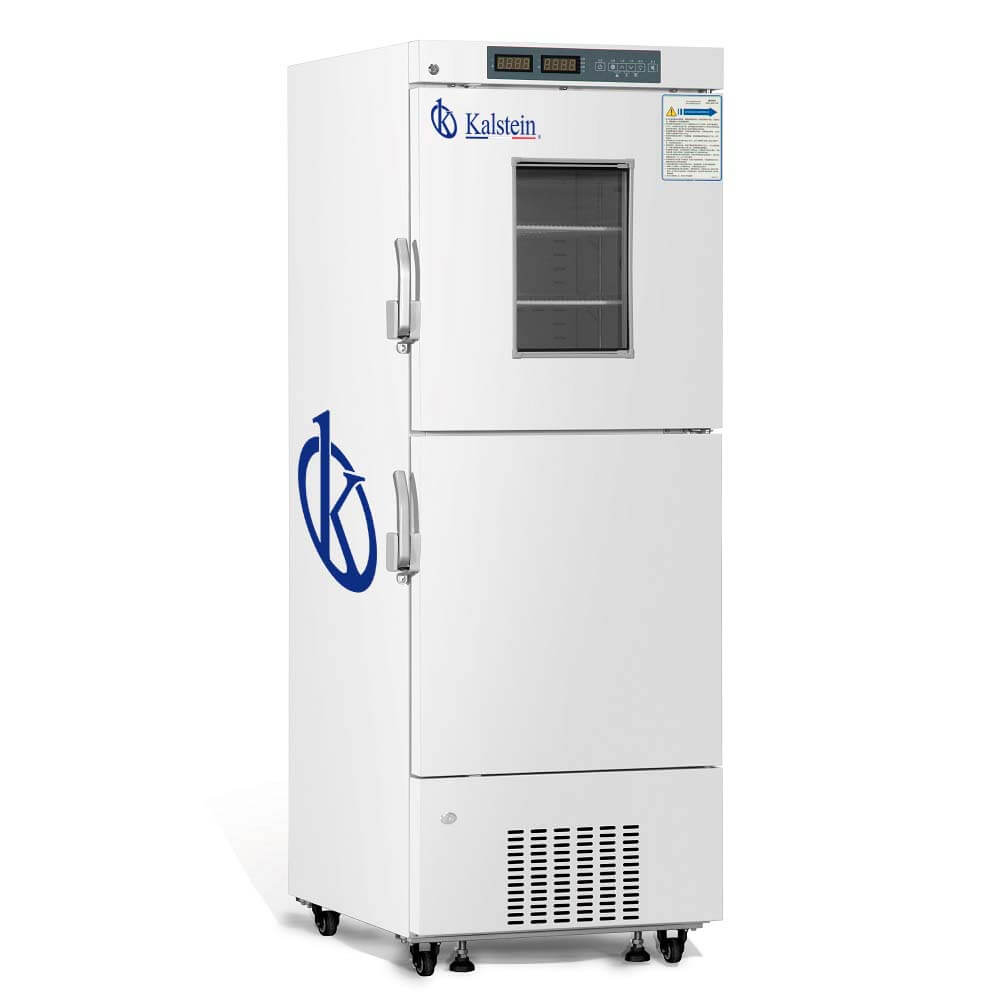
Energy Sustainability and Environmental Footprint Reduction in Combined Freezers
In an era where sustainability is paramount, laboratory professionals face the challenge of balancing operational efficiency with environmental responsibility. Combined freezers, designed for the intricate needs of biomedical and laboratory applications, play a critical role in this balance. This article delves into how these devices can be optimized for energy sustainability and reducing environmental footprints while ensuring compliance and maintaining the integrity of stored materials.
Understanding Combined Freezers and Their Importance
Combined freezers are versatile units that integrate both refrigeration and freezing capabilities within a single appliance. This dual functionality is essential for laboratories that require varied temperature settings for different materials, such as vaccines, plasma, and other critical biological samples. As research facilities and hospitals strive for sustainability, understanding the energy consumption and environmental impact of these freezers becomes vital.
Energy Efficiency Metrics in Combined Freezers
When evaluating combined freezers, energy efficiency metrics such as kilowatt-hours consumed per day (kWh/day) become critical for comparing models. For instance, the YR05320 model operates at 4.15 kWh/day, whereas the YR05321 operates at a slightly lower consumption of 3.03 kWh/day. The lower the kWh/day, the more sustainable the freezer is in the long run, particularly for institutions aiming to decrease operational costs while minimizing their carbon footprint.
Comparative Energy Consumption Table
| Model | Energy Consumption (kWh/day) | Refrigeration Type | Best Use Case |
|---|---|---|---|
| YR05320 | 4.15 | Direct Cooling | Pharmaceutical storage, plasma |
| YR05321 | 3.03 | Direct Cooling | Laboratory use, blood banks |
| YR05321-1 | Data not specified | Direct Cooling | Laboratories, double chamber applications |
Implementation of Energy-Saving Technologies
Modern combined freezers are not just about adequate cooling; they integrate energy-saving technologies. For instance, utilizing eco-friendly refrigerants such as R290 can significantly lower environmental impact. Both YR05320 and YR05321 utilize R600a and R290, which are known for their lower global warming potential compared to traditional refrigerants.
Lifecycle Assessment of Combined Freezers
Conducting a lifecycle assessment (LCA) of combined freezers provides insights into their overall environmental impact from production to disposal. This evaluation looks at energy consumption, refrigerant type, and waste generation, influencing purchasing decisions in laboratories. Models incorporating sustainable practices, such as recyclable materials and energy-efficient operations, contribute to a more favorable LCA.
Common Mistakes and How to Avoid Them
Laboratories often overlook the total cost of ownership when selecting combined freezers. A model that appears cheaper upfront may have higher energy costs over time. It's essential to evaluate energy consumption data, maintenance costs, and refrigerant types to make informed choices. Always compare similar models on critical metrics such as kWh/day and sustainability certifications.
Comparative Overview of Available Models
| Model | Price (USD) | Energy Consumption (kWh/day) | Best for |
|---|---|---|---|
| YR05320 | 1415.00 | 4.15 | Pharmacy storage, plasma |
| YR05321 | 1060.00 | 3.03 | Blood banks, laboratories |
| YR05321-1 | 745.00 | Data not specified | Double chamber applications |
Best Practices for Reducing Environmental Footprint
To enhance sustainability, consider implementing best practices such as routine maintenance checks, optimizing temperature settings, and ensuring proper insulation. Regular maintenance not only keeps the units running efficiently but also extends their lifespan, further reducing waste.
Frequently Asked Questions
How can combined freezers help reduce energy consumption in laboratories?
Combined freezers such as the YR05321 are designed for optimal energy efficiency, consuming only 3.03 kWh/day. Utilizing eco-friendly refrigerants and efficient insulation contributes significantly to lower energy consumption, aligning laboratory practices with sustainability goals.
What is the typical energy footprint of a combined freezer model?
The YR05320 model, for instance, has an energy footprint of 4.15 kWh/day. This metric is crucial for laboratory managers looking to reduce costs and environmental impact while ensuring proper storage conditions for sensitive materials.
How do combined freezers contribute to sustainability in medical laboratories?
By utilizing energy-efficient technologies and eco-friendly refrigerants like R290, models such as YR05321 help medical laboratories maintain sustainability goals without compromising on performance or storage requirements.
What maintenance practices are essential for minimizing energy use in combined freezers?
Regular maintenance, such as checking seals and cleaning condenser coils, is vital for models like YR05321-1. Proper upkeep ensures optimal performance, reducing energy waste and prolonging the equipment's lifespan.
Which combined freezer model offers the best value for energy efficiency?
The YR05321 model stands out with its energy consumption of just 3.03 kWh/day while being priced at $1060. This makes it an excellent choice for laboratories seeking to balance budget considerations with energy sustainability.
How do different refrigerants impact the environmental footprint of combined freezers?
Refrigerants such as R600a and R290 used in models like YR05320 have lower global warming potential compared to traditional refrigerants. Their use is integral to reducing the environmental footprints of combined freezers in laboratory settings.
What is the impact of temperature settings on energy consumption in combined freezers?
Adjusting temperature settings affects energy consumption; for instance, setting the YR05321 to the recommended range of -10°C to -25°C can optimize energy use while ensuring proper storage for biological materials.
Conclusion
In conclusion, the selection of combined freezers is a pivotal decision in pursuing energy sustainability and reducing environmental footprints in laboratories. By understanding the technical specifications, energy consumption, and environmental impact of various models, laboratory professionals can make informed choices that align with their operational and sustainability goals.
If you are looking for a fusion of innovation and quality, you have come to the right place. At Kalstein, we offer you the luxury of exploring our exclusive catalog of laboratory equipment. We manufacture every device to the highest standards of excellence. Our intuitive and seamless online purchasing channels are designed for your convenience, securing the most competitive prices. Hesitate no longer — we bring science to life, it is time to become part of our community.