Energy Sustainability and Environmental Footprint Reduction in Drying Ovens
As laboratory professionals continue to prioritize sustainability, the selection of drying ovens has become a critical decision impacting both energy consumption and the overall environmental footprint of laboratory operations. This article explores various models of drying ovens, analyzing their features through the lens of energy sustainability and environmental footprint reduction. The goal is to equip laboratories with the necessary knowledge to maximize efficiency while minimizing ecological impact.
Understanding Energy Sustainability in Drying Ovens
Energy sustainability refers to the responsible management of energy resources to meet current needs without compromising the ability of future generations to meet theirs. In the context of drying ovens, this involves selecting models designed to minimize energy consumption while maintaining performance standards. The effective use of energy-efficient technologies in drying ovens can significantly reduce a laboratory's carbon footprint.
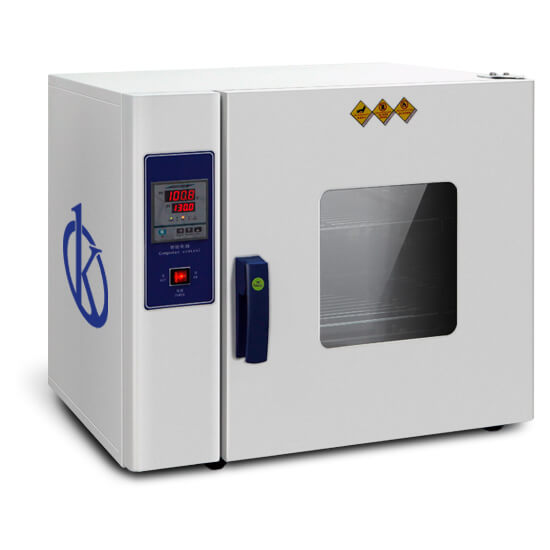
Modern drying ovens, equipped with advanced features such as PID microcomputer control, offer precise temperature management. This control not only ensures optimal drying conditions but also reduces the energy required for operations. For instance, the Electric Heating Drying Stove YR05244 uses a sophisticated temperature control system that guarantees accuracy within ±0.1°C, thus optimizing energy use during its operation.
Analyzing the Environmental Footprint of Drying Ovens
Every laboratory appliance carries an environmental footprint, which includes not only the energy consumed but also the materials used in construction and the waste produced during operation. Reducing this footprint is essential for laboratories aiming for sustainability. Selecting drying ovens that are made from recyclable materials and designed for longevity can contribute to lower environmental impact.
The Electric Heating Drying Stove YR05245 and other models in this family utilize stainless steel interiors that resist corrosion and are easily cleaned, which extends their lifespan and reduces waste. Additionally, efficient insulation technology minimizes heat loss, thus lowering energy consumption significantly.
Best Practices for Operating Drying Ovens
To enhance energy sustainability while using drying ovens, laboratories should adopt certain best practices. For instance, regular maintenance of equipment can ensure that ovens operate at peak efficiency. Timely calibration of temperature settings is another critical aspect, as improper temperature settings can lead to excessive energy use.
Conducting routine performance audits can also help identify areas where energy savings can be achieved. The Electric Heating Drying Stove YR05246 offers features like a precise timing function that can assist labs in optimizing drying cycles, thereby reducing unnecessary energy expenditure.
Energy Consumption Comparison Among Drying Ovens
| Model | Price (USD) | Temperature Range (°C) | Power (kW) | Best Use Scenario |
|---|---|---|---|---|
| YR05244 | 295.00 | RT+5 to 250 | 1.0 | General laboratory drying |
| YR05245 | 364.00 | RT+5 to 250 | 1.0 | High uniformity applications |
| YR05246 | 486.00 | RT+5 to 250 | 1.0 | Research labs requiring high precision |
| YR05247 | 598.00 | RT+5 to 250 | 1.0 | Long-term storage and drying |
| YR05248-A | 162.00 | RT+5 to 250 | 1.0 | Routine laboratory use |
| YR05249-A | 180.00 | RT+5 to 250 | 1.0 | Cost-effective labs |
Comparison of Available Models
| Model | Energy Efficiency Features | Temperature Control Type | Best For |
|---|---|---|---|
| YR05244 | PID Control, LED Display | Microcomputer | Standard drying tasks |
| YR05245 | PID Control, Hot Air Circulation | Microcomputer | Uniform temperature applications |
| YR05246 | PID Control, Precise Alarms | Microcomputer | Research requiring precision |
| YR05247 | PID Control, Overheating Alarm | Microcomputer | Long-term drying processes |
| YR05248-A | Smart Control, Adjustable Shelves | Microcomputer | Routine laboratory tasks |
| YR05249-A | Smart Control, Forced Air Convection | Microcomputer | General laboratory use |
Common Mistakes and How to Avoid Them
When selecting drying ovens, laboratories may overlook energy efficiency ratings or fail to consider specific operational needs. A common mistake is not evaluating the power consumption versus the features provided. It is crucial to analyze technical specifications thoroughly before making a purchase.
Another frequent error is underestimating the importance of proper installation and maintenance. Regular checks and servicing ensure that ovens function at optimal energy efficiency, minimizing unnecessary energy consumption. For example, using the Electric Heating Drying Stove YR05246 with proper maintenance can drastically reduce your laboratory's energy footprint.
Frequently Asked Questions
How does energy efficiency impact the operating costs of drying ovens?
Energy efficiency significantly lowers operating costs in laboratories. For instance, the Electric Heating Drying Stove YR05244 uses only 1 kW of power, which translates to lower electricity bills compared to less efficient models.
Which drying oven is best for laboratories aiming to minimize environmental impact?
The Electric Heating Drying Stove YR05245 is highly recommended due to its hot air circulation system and PID control, which enhance energy efficiency and reduce environmental impact.
What are the key features to consider for energy-efficient drying ovens?
When seeking energy-efficient drying ovens, look for models like the YR05246 that include PID control for precise temperature management, hot air circulation, and insulation technology to minimize energy consumption.
How can proper maintenance of drying ovens reduce energy consumption?
Regular maintenance, such as calibration and cleaning, helps maintain optimal performance. For example, the Electric Heating Drying Stove YR05247, when properly maintained, can operate more efficiently and consume less energy.
What is the typical lifespan of energy-efficient drying ovens?
Energy-efficient drying ovens like the YR05248-A can last over a decade with proper care, thereby reducing the environmental impact associated with manufacturing and disposing of laboratory equipment.
How can energy-efficient drying ovens contribute to a lab's sustainability goals?
By choosing models like the YR05249-A, labs can achieve significant energy savings and reduce their carbon footprint, aligning with broader sustainability goals within the scientific community.
What specific energy standards should laboratories consider for drying ovens?
Laboratories should look for drying ovens that meet or exceed ENERGY STAR ratings, as seen in models like the YR05246, which ensures compliance with high energy efficiency standards.
Which drying oven model offers the best balance of cost and energy efficiency?
The Electric Heating Drying Stove YR05248 offers an impressive balance of affordability and energy efficiency, making it an ideal choice for labs focused on minimizing costs while maintaining performance.
If you are looking for a fusion of innovation and quality, you have come to the right place. At Kalstein, we offer you the luxury of exploring our exclusive catalog of laboratory equipment. We manufacture every device to the highest standards of excellence. Our intuitive and seamless online purchasing channels are designed for your convenience, securing the most competitive prices. Hesitate no longer — we bring science to life, it is time to become part of our community.