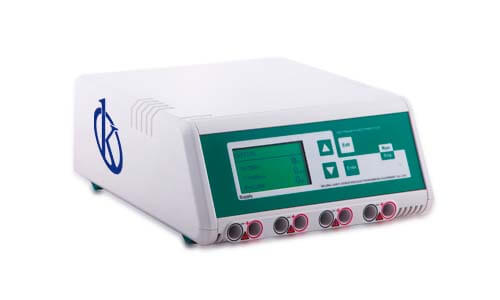
Energy Sustainability and Environmental Footprint Reduction in Universal Power Supplies
In a world increasingly focused on sustainability, laboratories must prioritize energy efficiency and environmental impact. This article discusses how universal power supplies can contribute to energy sustainability and reduce the environmental footprint of laboratory operations. It also compares various models available in this subcategory, highlighting their specific features that align with sustainability goals.
Understanding Energy Sustainability in Laboratories
Energy sustainability refers to the efficient use of energy resources while minimizing negative environmental impacts. Laboratories consume significant amounts of energy, leading to increased operational costs and carbon footprints. By adopting energy-efficient equipment such as universal power supplies, labs can reduce their energy consumption, lower operational costs, and adhere to sustainability standards.
Benefits of Energy-Efficient Universal Power Supplies
Universal power supplies are essential for various laboratory applications, including electrophoresis and other energy-demanding processes. By implementing models designed for high energy efficiency, laboratories can:
- Lower energy costs through reduced kilowatt-hour consumption per operation.
- Minimize heat output, thereby reducing the need for additional cooling systems.
- Enhance operational longevity by decreasing wear on electrical components through stable power supply.
Comparison of Available Models
| Model | Power Output Range | Energy Efficiency Features | Best for |
|---|---|---|---|
| YR03400-2 | 10–600 V, 1–500 mA, 1–300 W | Automatic fault detection, memory function | High current applications |
| YR03396-2 | 5–300 V, 1–400 mA, 1–120 W | Step control, auto memory | Standard lab use |
| YR03395-2 | 5–200 V, 1–2000 mA, 1–200 W | Enhanced voltage stability | Electrophoresis |
| YR03397-2 | 5–300 V, 1–1500 mA, 1–450 W | Multi-method memory, efficient operation | Versatile laboratory procedures |
| YR03398-2 | 10–600 V, 1–500 mA, 1–300 W | Real-time tuning | Advanced research applications |
| YR03399-2 | 10–600 V, 1–500 mA, 1–300 W | Step control features, energy monitoring | Energy monitoring labs |
Common Mistakes and How to Avoid Them
When selecting a universal power supply, laboratories often overlook key features that influence energy efficiency:
- Neglecting energy consumption ratings: Always check the power output range and efficiency metrics provided by manufacturers.
- Ignoring specific applications: Choose the model best suited for the intended laboratory tasks to maximize efficiency.
- Failing to consider integration: Ensure compatibility with existing laboratory equipment to avoid unnecessary energy waste.
Frequently Asked Questions
How can universal power supplies help in reducing energy consumption in laboratories?
Universal power supplies like the YR03400-2 and YR03396-2 are designed with energy-efficient features, including automatic fault detection and memory functions that help optimize power usage, significantly reducing energy consumption in laboratory settings.
What are the key energy efficiency features of universal power supplies?
Key features include automatic load detection, voltage stability, and programmable settings. Models like the YR03397-2 and YR03398-2 offer functionalities such as real-time tuning and step control to enhance energy management.
Which universal power supply is best for high current applications?
The YR03400-2 is ideal for high current applications due to its power output range of 10–600 V and 1–500 mA. Its advanced features help maintain energy efficiency while delivering consistent high performance.
What is the environmental impact of using universal power supplies?
Using energy-efficient models like the YR03395-2 can lead to reduced kilowatt-hour consumption and lower overall carbon emissions, making a significant positive impact on the laboratory's environmental footprint.
How do I determine the right universal power supply for my laboratory's needs?
Consider your laboratory's specific applications and energy requirements. Models such as the YR03399-2 provide step control and energy monitoring features that are beneficial for various lab tasks.
What metrics should I use to assess the energy efficiency of power supplies?
Look at both energy consumption ratings (kWh per run) and performance efficiency metrics. Universal power supplies like the YR03396-2 provide insights into power usage that can help labs assess their energy efficiency.
How do universal power supplies integrate with lab equipment for optimal energy use?
Models such as the YR03400-2 are designed for seamless integration with laboratory equipment, ensuring that energy is used efficiently across all devices, reducing waste and improving overall lab efficiency.
Can universal power supplies contribute to compliance with sustainability standards?
Yes, many universal power supplies, including models like the YR03397-2, are built to meet various sustainability standards, helping laboratories demonstrate compliance while reducing their environmental impact.
If you are looking for a fusion of innovation and quality, you have come to the right place. At Kalstein, we offer you the luxury of exploring our exclusive catalog of laboratory equipment. We manufacture every device to the highest standards of excellence. Our intuitive and seamless online purchasing channels are designed for your convenience, securing the most competitive prices. Hesitate no longer — we bring science to life, it is time to become part of our community.